THE ADVENTURE COLLECTIVE® · Independent discovery and booking for outdoor travel

Step off LaSalle and into rooms the city once built to impress. This two-hour walking tour of Chicago’s Loop interiors highlights Art Deco lobbies, stained-glass domes and hidden decorative details — with practical tips on accessibility and what to bring.
Step off LaSalle and into rooms the city once built to impress. This two-hour walking tour of Chicago’s Loop interiors highlights Art Deco lobbies, stained-glass domes and hidden decorative details — with practical tips on accessibility and what to bring.
You meet at the plaza in front of 425 S. Financial Place, the metal horse a sudden punctuation against glass towers, and then step into buildings that demand a second look. Marble stairwells hum with the echo of hurried footsteps, gilded banking halls still hold the hush of commerce, and a stained-glass skylight spills colored light across an Art Deco lobby.
Verified experiences and guided adventures in the surrounding area.
Operated by Inside Chicago Walking Tours · Chicago, Illinois
You meet at the plaza in front of 425 S. Financial Place, the metal horse a sudden punctuation against glass towers, and then step into buildings that demand a second look. Marble stairwells hum with the echo of hurried footsteps, gilded banking halls still hold the hush of commerce, and a stained-glass skylight spills colored light across an Art Deco lobby.
Chicago’s Loop grew from a 19th-century boom into a 20th-century stage for architects and patrons who built big and fast. The interiors reflect that trajectory: Guastavino tile domes and mosaic work from the city’s early civic impulse, then streamlined bronze and geometric ornament of the 1920s. Geology and engineering underlie the drama — reclaimed shoreline and compressible lake plain required raised foundations and steel framing, letting designers reach up without toppling down.
Culturally this tour shows civic pride and private wealth in public-facing rooms — bank lobbies that read like civic halls, cultural institutions that made arts accessible. Guides point out craftsmanship you’d miss hurrying to the train and explain why a ceiling or a light fixture mattered to people who remade a city.
Plan on two hours on mostly level surfaces; much of the route is wheelchair accessible but individual building rules and security checks can affect timing. Bring a small bag, check photography rules at each stop, and dress for Chicago weather — even indoors, tile and marble stay cool. The reward is up-close detail: the way terrazzo meets bronze, the curve of an atrium, a skylight that changes mood as clouds move. It’s urban exploration that trades views for interiors — and repays attention.
Practical: meet point in the plaza; tour ends at the Chicago Cultural Center. Tours operate rain or shine; reserve in advance for busy weekends.
easy.
2 hours.
Suitable for most fitness levels; involves short walks on level sidewalks and standing inside buildings.
The tour is approximately two hours with short, level walks between buildings and standing time inside interiors.
Most stops are wheelchair accessible and the tour notes wheelchair access, but specific building entry and security procedures may vary.
Photography rules vary by site—guides will tell you where photos are permitted; avoid flash and tripod use unless explicitly allowed.
Dress in layers and comfortable shoes; some interiors are cool and there’s brief outdoor walking between stops.
The Loop’s interior architecture reflects Chicago’s turn-of-the-century civic investments and the 1920s Art Deco boom, when banks and theaters built grand public rooms to project stability and optimism.
Many interiors are protected as landmarked spaces; stick to designated walkways, avoid touching historic finishes, and follow guide directions to minimize wear.
Inside Chicago Walking Tours operates guided outdoor trips and adventures with an emphasis on safety, stewardship, and memorable experiences.
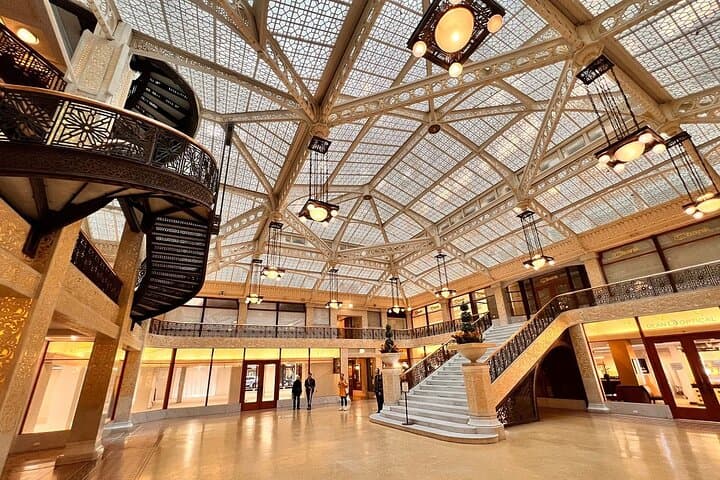
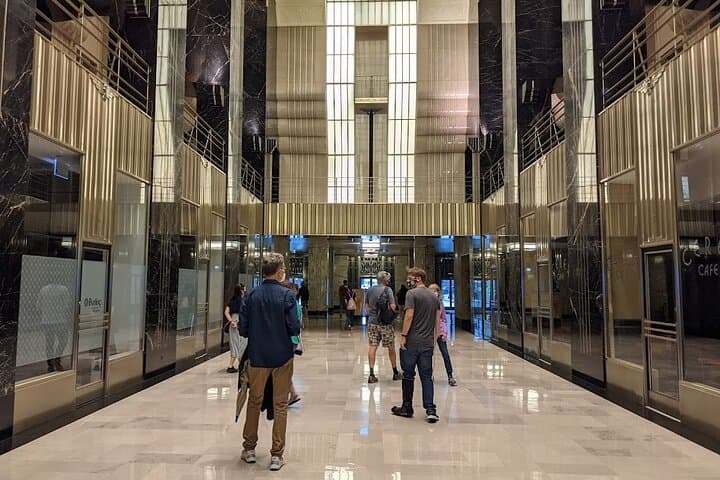
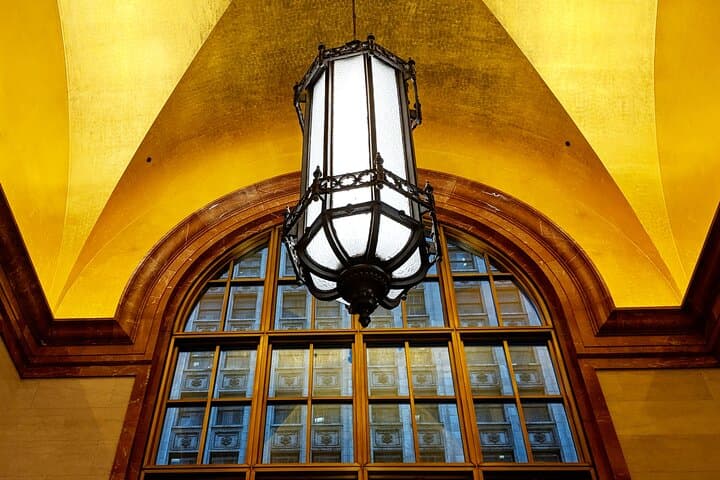
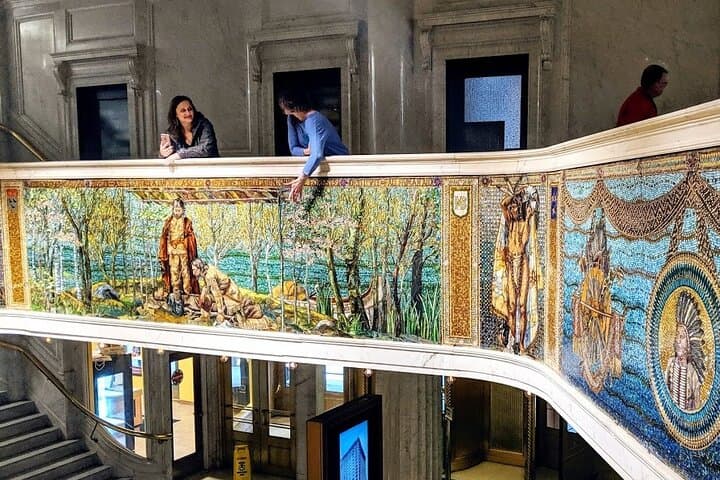
You meet at the plaza in front of 425 S. Financial Place, the metal horse a sudden punctuation against glass towers, and then step into buildings that demand a second look. Marble stairwells hum with the echo of hurried footsteps, gilded banking halls still hold the hush of commerce, and a stained-glass skylight spills colored light across an Art Deco lobby.
You meet at the plaza in front of 425 S. Financial Place, the metal horse a sudden punctuation against glass towers, and then step into buildings that demand a second look. Marble stairwells hum with the echo of hurried footsteps, gilded banking halls still hold the hush of commerce, and a stained-glass skylight spills colored light across an Art Deco lobby.
Chicago’s Loop grew from a 19th-century boom into a 20th-century stage for architects and patrons who built big and fast. The interiors reflect that trajectory: Guastavino tile domes and mosaic work from the city’s early civic impulse, then streamlined bronze and geometric ornament of the 1920s. Geology and engineering underlie the drama — reclaimed shoreline and compressible lake plain required raised foundations and steel framing, letting designers reach up without toppling down.
Culturally this tour shows civic pride and private wealth in public-facing rooms — bank lobbies that read like civic halls, cultural institutions that made arts accessible. Guides point out craftsmanship you’d miss hurrying to the train and explain why a ceiling or a light fixture mattered to people who remade a city.
Plan on two hours on mostly level surfaces; much of the route is wheelchair accessible but individual building rules and security checks can affect timing. Bring a small bag, check photography rules at each stop, and dress for Chicago weather — even indoors, tile and marble stay cool. The reward is up-close detail: the way terrazzo meets bronze, the curve of an atrium, a skylight that changes mood as clouds move. It’s urban exploration that trades views for interiors — and repays attention.
Practical: meet point in the plaza; tour ends at the Chicago Cultural Center. Tours operate rain or shine; reserve in advance for busy weekends.