THE ADVENTURE COLLECTIVE® · Independent discovery and booking for outdoor travel

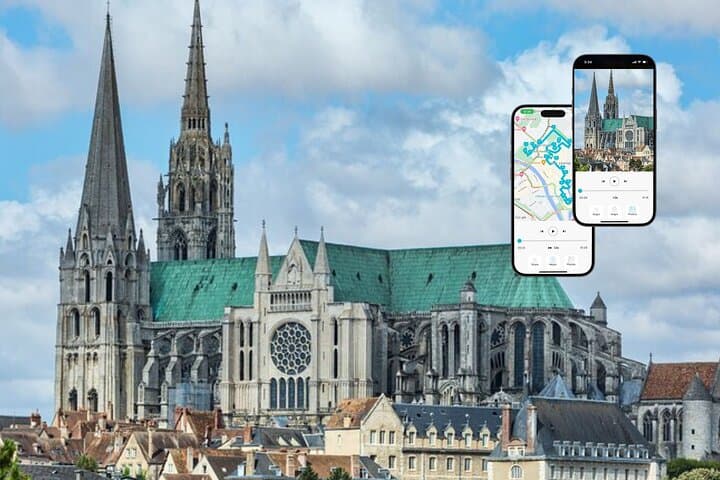
Explore Chartres Cathedral at your own pace with a mobile audio guide that illuminates stained glass, portals and the Renaissance choir screen. Download the app, plan for 90 minutes, and follow the stone stories that shaped medieval France.
Explore Chartres Cathedral at your own pace with a mobile audio guide that illuminates stained glass, portals and the Renaissance choir screen. Download the app, plan for 90 minutes, and follow the stone stories that shaped medieval France.
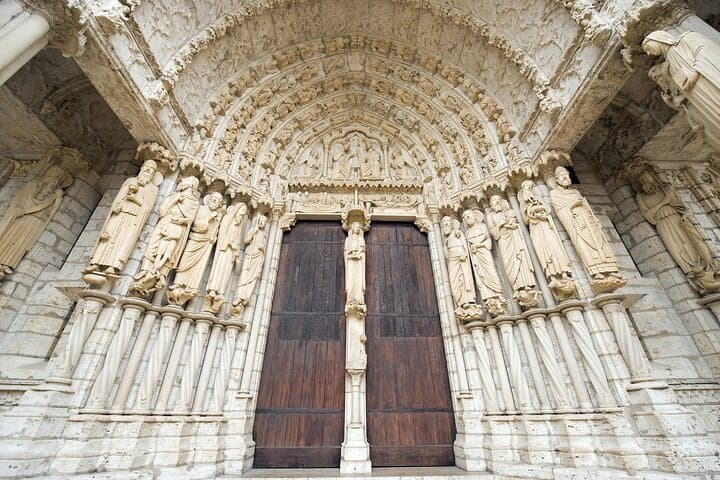
You arrive on the stone plaza as morning light finds its way through the cathedral’s western portal; the carved figures seem to hold their breath until the sun slides down the nave and ignites the glass.
Verified experiences and guided adventures in the surrounding area.
Operated by Tourific · Chartres, Centre-Val de Loire
You arrive on the stone plaza as morning light finds its way through the cathedral’s western portal; the carved figures seem to hold their breath until the sun slides down the nave and ignites the glass.
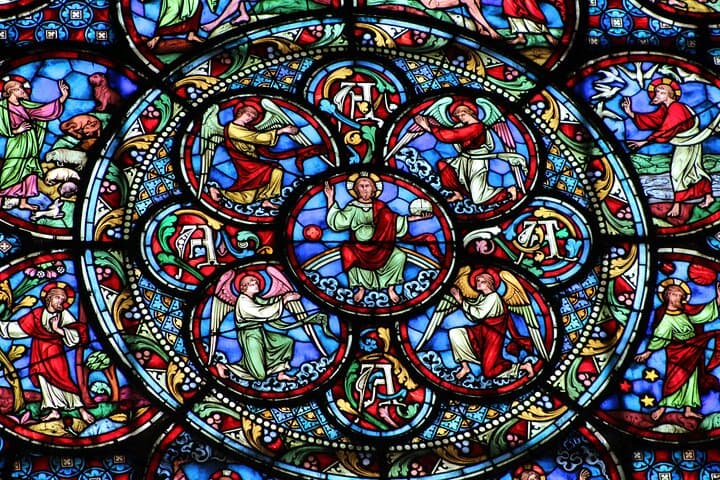
Chartres Cathedral (Cathédrale Notre-Dame de Chartres) is a rare intact expression of High Gothic ambition—12th- and 13th-century masonry set on limestone of the Paris Basin, its two towers telling the story of medieval building, fire and restoration. The building’s 2,600 m² of stained glass, including the deep cobalt of the Notre Dame de la Belle Verrière, have survived wars and weather to keep a direct line to medieval liturgy and the Marian pilgrimage tradition.
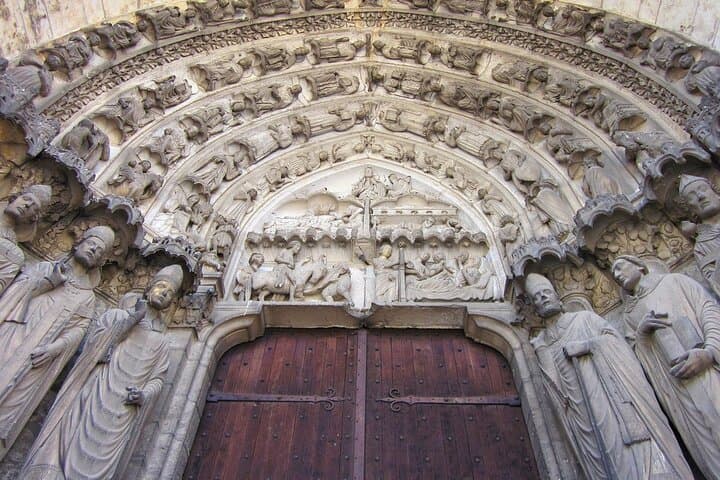
Sculpture along the North, West and South portals reads like a stone picture book: biblical narratives, saints and moral scenes carved to educate an illiterate congregation. Inside, a 100-meter choir screen bears 41 Renaissance scenes that shift the rhythm from Gothic upward thrust to intimate tableaux. Nearby, the Eure river and Chartres’ old town provide context—this cathedral anchored civic life while pilgrims followed the axis into the city.
Practical guidance: download the app before arrival and use offline mode to avoid data roaming; the tour runs about 90 minutes but can be paused to linger at windows or the floor labyrinth. Expect a mix of standing and walking on uneven stone; comfortable shoes and a charged phone are essential. Respect quiet zones during services; flash photography may be restricted. Best light for stained glass is late morning to early afternoon. Public transit connects Chartres to Paris by train, making a day visit convenient.
easy.
1.5 hours.
Suitable for all fitness levels — mostly walking and standing on stone floors; some steps.
No entry ticket is generally required for the cathedral itself; this product is an app-based audio guide—check local notices for special exhibitions or guided-entry events.
The tour typically includes audio and written guides; check the app description for available languages before booking.
You can use the tour outside of service times; please switch to silent mode and respect areas reserved for worship.
Main areas are accessible but some historic thresholds and choir areas have steps; check the app or cathedral staff for the best accessible route.
Built primarily in the 12th and 13th centuries, Chartres Cathedral is a UNESCO World Heritage Site famed for its architecture and remarkably complete collection of medieval stained glass.
Conservation teams manage ongoing restoration of glass and stone; visitors help by obeying signage, avoiding flash photography, and using designated walkways.
Tourific operates guided outdoor trips and adventures with an emphasis on safety, stewardship, and memorable experiences.
You arrive on the stone plaza as morning light finds its way through the cathedral’s western portal; the carved figures seem to hold their breath until the sun slides down the nave and ignites the glass.
You arrive on the stone plaza as morning light finds its way through the cathedral’s western portal; the carved figures seem to hold their breath until the sun slides down the nave and ignites the glass.
Chartres Cathedral (Cathédrale Notre-Dame de Chartres) is a rare intact expression of High Gothic ambition—12th- and 13th-century masonry set on limestone of the Paris Basin, its two towers telling the story of medieval building, fire and restoration. The building’s 2,600 m² of stained glass, including the deep cobalt of the Notre Dame de la Belle Verrière, have survived wars and weather to keep a direct line to medieval liturgy and the Marian pilgrimage tradition.
Sculpture along the North, West and South portals reads like a stone picture book: biblical narratives, saints and moral scenes carved to educate an illiterate congregation. Inside, a 100-meter choir screen bears 41 Renaissance scenes that shift the rhythm from Gothic upward thrust to intimate tableaux. Nearby, the Eure river and Chartres’ old town provide context—this cathedral anchored civic life while pilgrims followed the axis into the city.
Practical guidance: download the app before arrival and use offline mode to avoid data roaming; the tour runs about 90 minutes but can be paused to linger at windows or the floor labyrinth. Expect a mix of standing and walking on uneven stone; comfortable shoes and a charged phone are essential. Respect quiet zones during services; flash photography may be restricted. Best light for stained glass is late morning to early afternoon. Public transit connects Chartres to Paris by train, making a day visit convenient.