THE ADVENTURE COLLECTIVE® · Independent discovery and booking for outdoor travel

Descend into Cerro Rico with an expert guide to see active tunnels, meet miners, and learn how Potosí’s silver shaped history. This four-hour tour blends geology, colonial history, and present-day mining practices—bring warm layers and acclimatize to the altitude.
Descend into Cerro Rico with an expert guide to see active tunnels, meet miners, and learn how Potosí’s silver shaped history. This four-hour tour blends geology, colonial history, and present-day mining practices—bring warm layers and acclimatize to the altitude.
You wait at the mine gate as a cold, thin air pushes against your jacket; Cerro Rico looms above the city in low clouds, its ribbed slopes carved by centuries of tunnels. The guide fits your helmet and lamp, and for a moment the noisy market outside—miners selling coca leaves and repair gear—feels a world away.
Verified experiences and guided adventures in the surrounding area.
Operated by Intrepid Travel Bolivia · Potosí, Potosí
You wait at the mine gate as a cold, thin air pushes against your jacket; Cerro Rico looms above the city in low clouds, its ribbed slopes carved by centuries of tunnels. The guide fits your helmet and lamp, and for a moment the noisy market outside—miners selling coca leaves and repair gear—feels a world away.
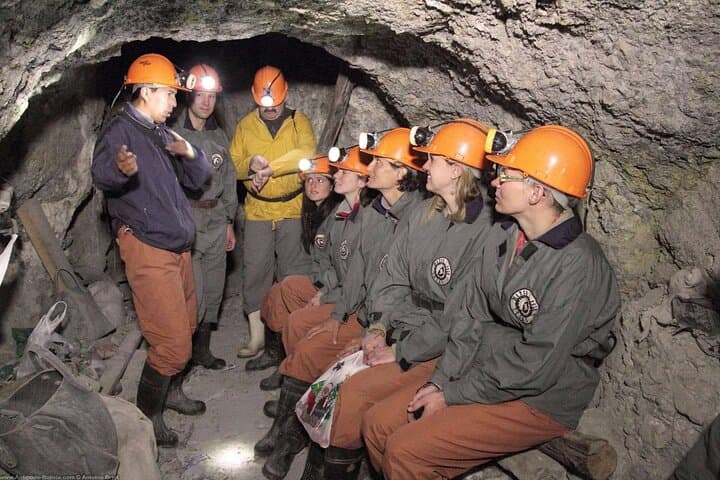
Cerro Rico supplied the silver that built colonial Spanish wealth; the mountain is both geological archive and living workplace. The rock here hosts rich silver-bearing veins and complex mineral seams, and centuries of tunneling have left narrow galleries, timber supports, and sudden chambers where miners still work in cooperative shafts. Cultural traditions are present at every junction: offerings to the Tío, prayers to Pachamama, and informal economies that fuel the city.
The tour moves quickly between history and present-day practice: a short stop at Mercado Minero, a descent into active workings, conversations with miners, and explanations of extraction techniques and safety. Expect tight passages, low ceilings, and dim, lamp-lit corridors—the experience is visceral, not scenic.
Practical guide: total tour time is about four hours; dress in warm layers and sturdy shoes (mine boots are supplied), bring 1–1.5 liters of water, and acclimatize first—Potosí sits above 4,000 meters. Pregnancy and spinal injuries are contraindications; wear a warm base layer and limit heavy gear. Respect miner privacy, follow your guide’s instructions, and be ready for an intense, educational glimpse into one of the world’s most storied mining landscapes.
moderate.
4 hours.
Light to moderate fitness; expect stooping, short climbs, and walking on uneven surfaces; basic mobility required.
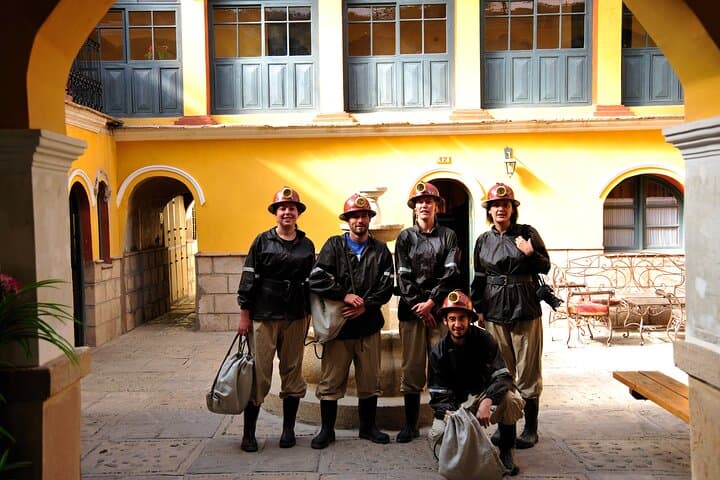
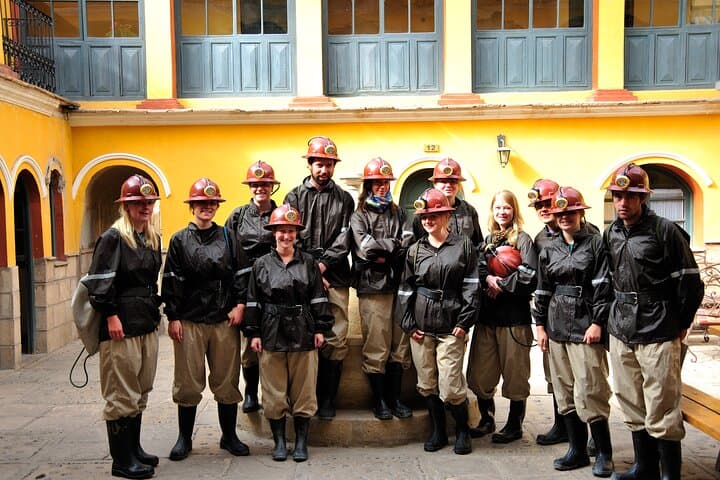
The tour provides helmets, lamps, jackets, overpants and boots; guides are experienced and mines visited are cooperative operations, but tunnels are narrow and conditions are primitive—follow all safety instructions.
Photography is usually allowed but limited; respect miners’ requests and avoid flash where instructed to protect operations and people.
Not recommended for pregnant travelers and may be unsuitable for young children due to confined spaces, low ceilings, and dusty conditions.
Yes—bilingual guides (English and Spanish) are offered; confirm language preference when booking.
Potosí rose to prominence in the 16th century after vast silver deposits were exploited under Spanish colonial rule, shaping global trade and local society.
Mining has caused subsidence and environmental strain; responsible tours support cooperative mines and emphasize worker safety and local economic benefit.
Intrepid Travel Bolivia operates guided outdoor trips and adventures with an emphasis on safety, stewardship, and memorable experiences.

You wait at the mine gate as a cold, thin air pushes against your jacket; Cerro Rico looms above the city in low clouds, its ribbed slopes carved by centuries of tunnels. The guide fits your helmet and lamp, and for a moment the noisy market outside—miners selling coca leaves and repair gear—feels a world away.
You wait at the mine gate as a cold, thin air pushes against your jacket; Cerro Rico looms above the city in low clouds, its ribbed slopes carved by centuries of tunnels. The guide fits your helmet and lamp, and for a moment the noisy market outside—miners selling coca leaves and repair gear—feels a world away.
Cerro Rico supplied the silver that built colonial Spanish wealth; the mountain is both geological archive and living workplace. The rock here hosts rich silver-bearing veins and complex mineral seams, and centuries of tunneling have left narrow galleries, timber supports, and sudden chambers where miners still work in cooperative shafts. Cultural traditions are present at every junction: offerings to the Tío, prayers to Pachamama, and informal economies that fuel the city.
The tour moves quickly between history and present-day practice: a short stop at Mercado Minero, a descent into active workings, conversations with miners, and explanations of extraction techniques and safety. Expect tight passages, low ceilings, and dim, lamp-lit corridors—the experience is visceral, not scenic.
Practical guide: total tour time is about four hours; dress in warm layers and sturdy shoes (mine boots are supplied), bring 1–1.5 liters of water, and acclimatize first—Potosí sits above 4,000 meters. Pregnancy and spinal injuries are contraindications; wear a warm base layer and limit heavy gear. Respect miner privacy, follow your guide’s instructions, and be ready for an intense, educational glimpse into one of the world’s most storied mining landscapes.