THE ADVENTURE COLLECTIVE® · Independent discovery and booking for outdoor travel

Explore Bucharest’s grand state architecture and visit the building where Nicolae and Elena Ceaușescu were tried and executed. This private full-day tour pairs political history with on-site storytelling and museum visits.
Explore Bucharest’s grand state architecture and visit the building where Nicolae and Elena Ceaușescu were tried and executed. This private full-day tour pairs political history with on-site storytelling and museum visits.
A cold December wind still seems to move through the streets when you step off the minibus into Bucharest’s broad avenues—concrete and façades that once symbolized a regime’s reach. The tour starts with the overwhelming scale of the Palace of the Parliament, its cavernous halls a physical lesson in state megalomania, then threads through Revolution Square where protests and gunfire reshaped Romania in December 1989.
Verified experiences and guided adventures in the surrounding area.
Operated by Nicolas Experience Tours · Bucharest, Bucharest
A cold December wind still seems to move through the streets when you step off the minibus into Bucharest’s broad avenues—concrete and façades that once symbolized a regime’s reach. The tour starts with the overwhelming scale of the Palace of the Parliament, its cavernous halls a physical lesson in state megalomania, then threads through Revolution Square where protests and gunfire reshaped Romania in December 1989.
You leave the capital’s bustle for the quieter, dustier town where the trial and execution of Nicolae and Elena Ceaușescu occurred. The building-turned-museum is small, sparse and deliberately unglamorous: bare rooms, low furniture and the corner where the sentence was carried out. Walking these spaces, you confront the practical consequences of totalitarian rule—economic hardship, surveillance, and sudden collapse.
The guide—often a specialist in Romania’s communist era—layers political context with human stories: party hierarchy, family privilege, and how policy became daily scarcity. Along the route you’ll see examples of late-20th-century architecture, state landscaping projects, and neighborhoods that still bear the imprint of centralized planning.
Practical matters matter: this is a long private outing (about 9–10 hours) with several short walks and some standing inside small museums. Expect a mix of indoor exhibits and outdoor viewpoints, comfortable shoes, and a readiness for sharp temperature shifts between urban blocks and open squares. Bring local currency for modest museum fees and photography charges, and plan transport time—this day is paced for depth rather than speed.
easy.
9–10 hours.
Suitable for most fitness levels; involves short walks and standing indoors. Not strenuous.
The private tour runs about 9–10 hours total; most operators start in the morning to allow full daylight for visits and return the same evening.
Standard itineraries typically do not include museum entrance fees or photo permits—bring cash to pay onsite if required.
The museum has small rooms and limited accessibility in some areas; contact the tour operator ahead if you need step-free access or other accommodations.
Yes—this private tour usually offers flexibility to adjust stops or time spent at sites, subject to opening hours and travel time.
The tour traces the rise and fall of Nicolae Ceaușescu’s regime, highlighting the 1989 revolution that ended decades of Romanian communism and the brief trial and execution held in a provincial military building.
Museums and small heritage sites rely on modest local funding; visitors help by paying entrance fees and following site rules to prevent wear on fragile indoor exhibits.
Nicolas Experience Tours operates guided outdoor trips and adventures with an emphasis on safety, stewardship, and memorable experiences.
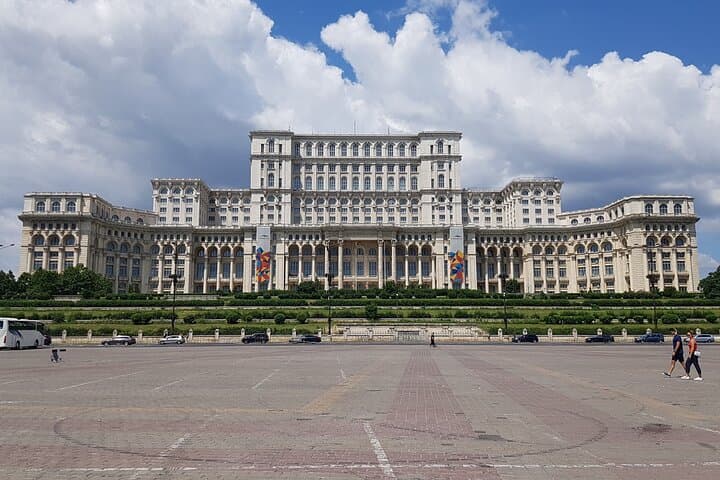
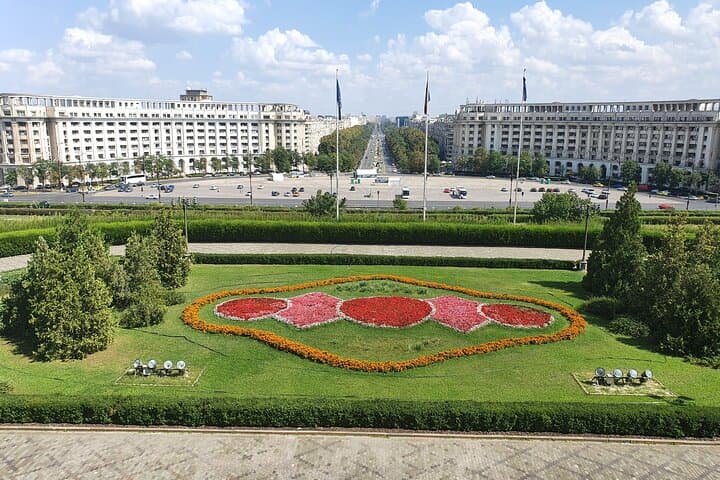
A cold December wind still seems to move through the streets when you step off the minibus into Bucharest’s broad avenues—concrete and façades that once symbolized a regime’s reach. The tour starts with the overwhelming scale of the Palace of the Parliament, its cavernous halls a physical lesson in state megalomania, then threads through Revolution Square where protests and gunfire reshaped Romania in December 1989.
A cold December wind still seems to move through the streets when you step off the minibus into Bucharest’s broad avenues—concrete and façades that once symbolized a regime’s reach. The tour starts with the overwhelming scale of the Palace of the Parliament, its cavernous halls a physical lesson in state megalomania, then threads through Revolution Square where protests and gunfire reshaped Romania in December 1989.
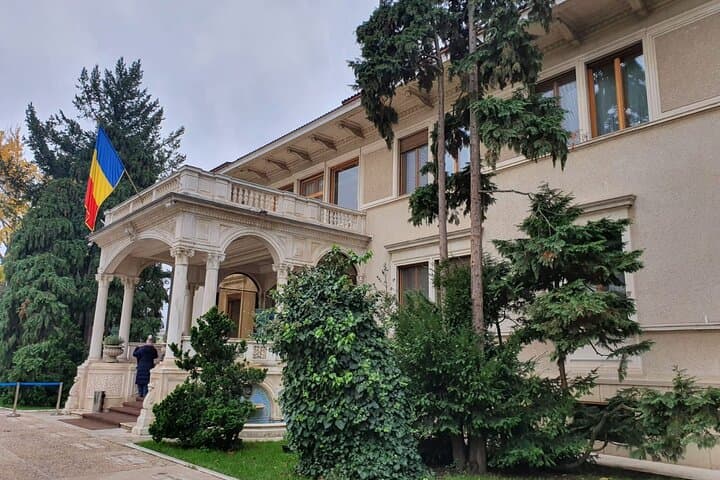
You leave the capital’s bustle for the quieter, dustier town where the trial and execution of Nicolae and Elena Ceaușescu occurred. The building-turned-museum is small, sparse and deliberately unglamorous: bare rooms, low furniture and the corner where the sentence was carried out. Walking these spaces, you confront the practical consequences of totalitarian rule—economic hardship, surveillance, and sudden collapse.
The guide—often a specialist in Romania’s communist era—layers political context with human stories: party hierarchy, family privilege, and how policy became daily scarcity. Along the route you’ll see examples of late-20th-century architecture, state landscaping projects, and neighborhoods that still bear the imprint of centralized planning.
Practical matters matter: this is a long private outing (about 9–10 hours) with several short walks and some standing inside small museums. Expect a mix of indoor exhibits and outdoor viewpoints, comfortable shoes, and a readiness for sharp temperature shifts between urban blocks and open squares. Bring local currency for modest museum fees and photography charges, and plan transport time—this day is paced for depth rather than speed.