THE ADVENTURE COLLECTIVE® · Independent discovery and booking for outdoor travel

Timed-entry tickets give you access to Gaudí’s most inventive residence—walk the dragon roof, explore private rooms, and use an audio guide to decode a century of Catalan Modernisme. Book a quieter slot and bring comfortable shoes for tilted floors and narrow stairways.
Timed-entry tickets give you access to Gaudí’s most inventive residence—walk the dragon roof, explore private rooms, and use an audio guide to decode a century of Catalan Modernisme. Book a quieter slot and bring comfortable shoes for tilted floors and narrow stairways.
You step off Passeig de Gràcia and the façade of Casa Batlló catches the light like a living mosaic—scales of glass and ceramic that change with the hour, as if the building itself were breathing.
Verified experiences and guided adventures in the surrounding area.
Operated by My Travelons Ltd · Barcelona, Catalonia
You step off Passeig de Gràcia and the façade of Casa Batlló catches the light like a living mosaic—scales of glass and ceramic that change with the hour, as if the building itself were breathing.
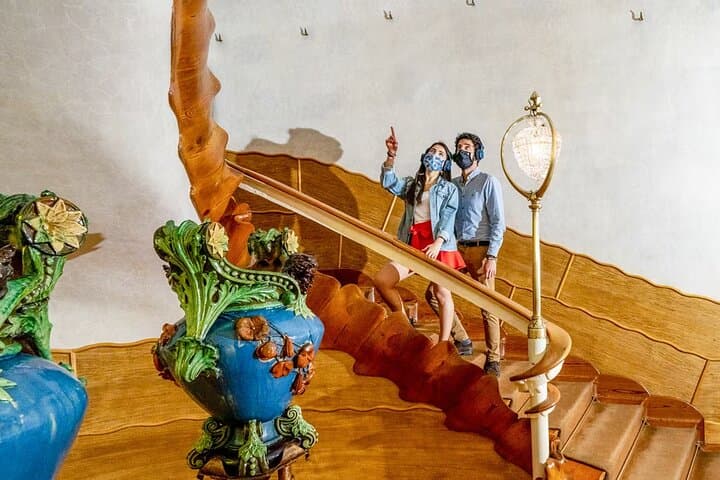
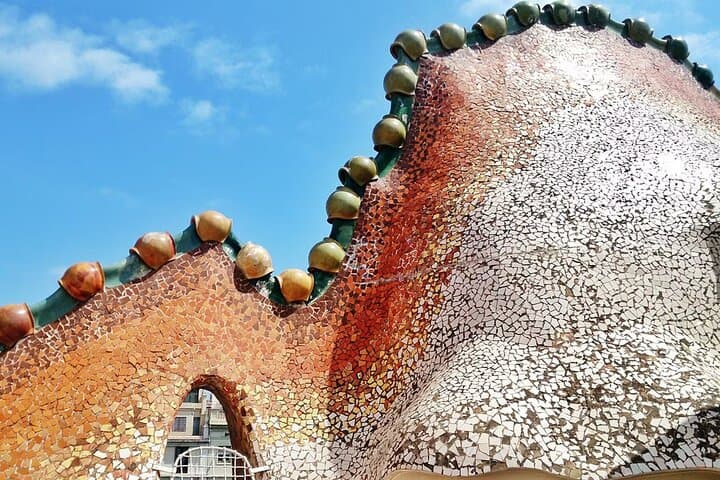
Inside, curved walls and skylights reroute sunlight into stairwells; staircases become waves under your feet and the dragon-shaped roof tilts toward the sky. Antoni Gaudí reimagined structure and ornament between 1904–1906, converting a bourgeois apartment block into an experiment in organic form and light. The bones of the building sit on a 19th-century urban block, but its surfaces push back against rigid industrial lines: tile, ironwork, and carved stone that reference Mediterranean color and Catalan craft.
Culturally, Casa Batlló sits at the heart of Barcelona’s Modernisme movement, a local response to modernization that favored artisanal detail and natural forms.
Practical guidance: choose a timed slot in the early morning or late afternoon to avoid peak crowds and get the best light for photos. The audio guide explains symbolic motifs—flowers, marine life, and patron history—so listen closely while moving slowly through tight rooms. Wear comfortable shoes; the floors tilt and steps are irregular. If you’ve booked an option with the private residence or AR tablet, reserve those upgrades in advance—slots are limited.
Keep your visit respectful: photography is allowed but avoid tripods and large bags. The building is a protected site; follow staff directions to preserve finishes for future visitors.
easy.
1–4 hours.
No special fitness required; comfortable mobility recommended for uneven steps
No—mobile tickets are accepted; show the barcode on your phone at timed entry.
This ticket includes an audio guide in multiple languages; private guided tours or special-access options are sold separately.
Parts of Casa Batlló are accessible via elevators, but some historic staircases and rooftop areas have limited access—check accessibility options when booking.
Yes—the dragon-inspired roof is included with most timed-entry options, though certain private-area upgrades may be optional.
Casa Batlló was redesigned by Antoni Gaudí between 1904 and 1906 for the Batlló family; it exemplifies Barcelona’s Modernisme response to industrialization.
Ongoing conservation balances visitor access with preservation; follow signage and staff instructions to protect original finishes and mosaics.
My Travelons Ltd operates guided outdoor trips and adventures with an emphasis on safety, stewardship, and memorable experiences.
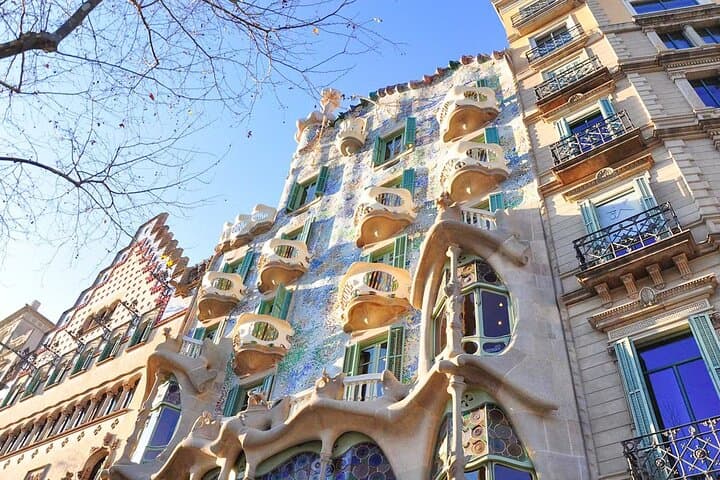
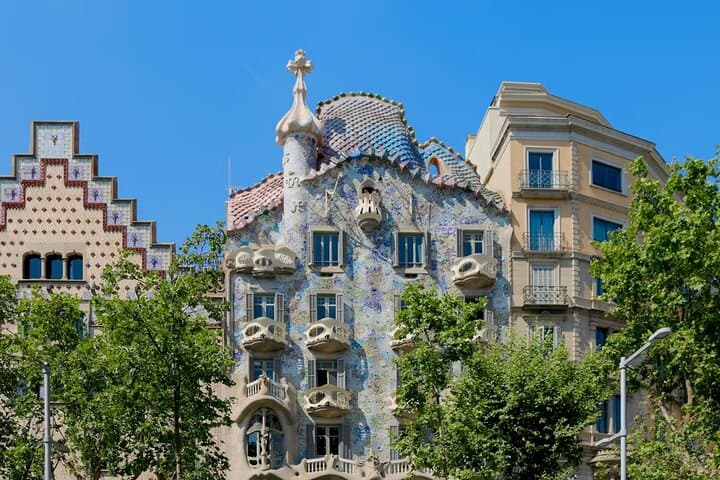
You step off Passeig de Gràcia and the façade of Casa Batlló catches the light like a living mosaic—scales of glass and ceramic that change with the hour, as if the building itself were breathing.
You step off Passeig de Gràcia and the façade of Casa Batlló catches the light like a living mosaic—scales of glass and ceramic that change with the hour, as if the building itself were breathing.
Inside, curved walls and skylights reroute sunlight into stairwells; staircases become waves under your feet and the dragon-shaped roof tilts toward the sky. Antoni Gaudí reimagined structure and ornament between 1904–1906, converting a bourgeois apartment block into an experiment in organic form and light. The bones of the building sit on a 19th-century urban block, but its surfaces push back against rigid industrial lines: tile, ironwork, and carved stone that reference Mediterranean color and Catalan craft.
Culturally, Casa Batlló sits at the heart of Barcelona’s Modernisme movement, a local response to modernization that favored artisanal detail and natural forms.
Practical guidance: choose a timed slot in the early morning or late afternoon to avoid peak crowds and get the best light for photos. The audio guide explains symbolic motifs—flowers, marine life, and patron history—so listen closely while moving slowly through tight rooms. Wear comfortable shoes; the floors tilt and steps are irregular. If you’ve booked an option with the private residence or AR tablet, reserve those upgrades in advance—slots are limited.
Keep your visit respectful: photography is allowed but avoid tripods and large bags. The building is a protected site; follow staff directions to preserve finishes for future visitors.