THE ADVENTURE COLLECTIVE® · Independent discovery and booking for outdoor travel

Move from the Capitol steps into the vaulted Reading Room of the Library of Congress and onto the bench of the Supreme Court on a private, full-day tour. Expect security checks, guided access to major chambers, and time for thoughtful exploration of exhibits.
Move from the Capitol steps into the vaulted Reading Room of the Library of Congress and onto the bench of the Supreme Court on a private, full-day tour. Expect security checks, guided access to major chambers, and time for thoughtful exploration of exhibits.
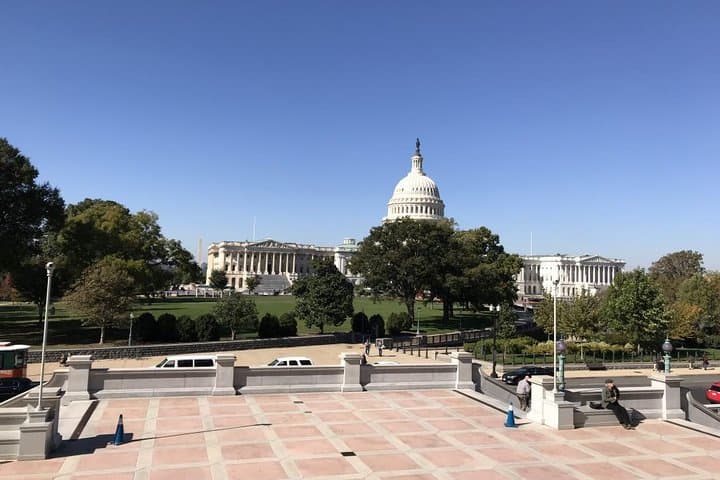
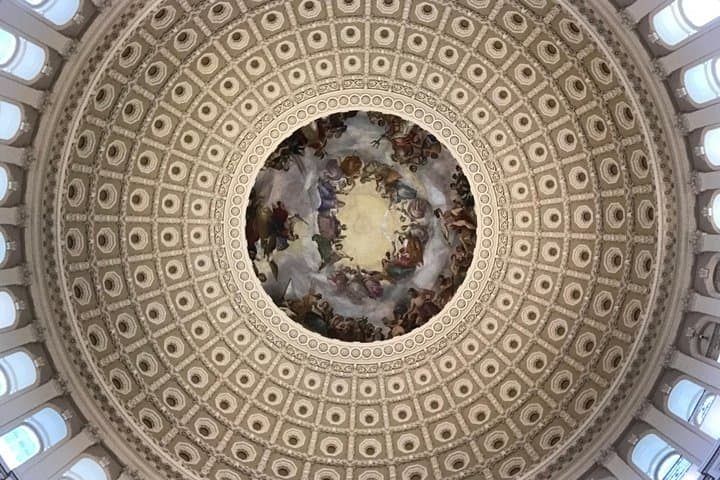
Morning light cuts across the Capitol steps and the city exhales into the wide avenues of Capitol Hill. A private tour threads visitors from the Capitol’s bronze doors into the vaulting Main Reading Room of the Library of Congress, then across marble corridors to the bench of the Supreme Court — each space an argument in stone about how this republic sees itself.
Verified experiences and guided adventures in the surrounding area.
Operated by DC MILITARY TOURS, LLC · Washington, DC
Morning light cuts across the Capitol steps and the city exhales into the wide avenues of Capitol Hill. A private tour threads visitors from the Capitol’s bronze doors into the vaulting Main Reading Room of the Library of Congress, then across marble corridors to the bench of the Supreme Court — each space an argument in stone about how this republic sees itself.
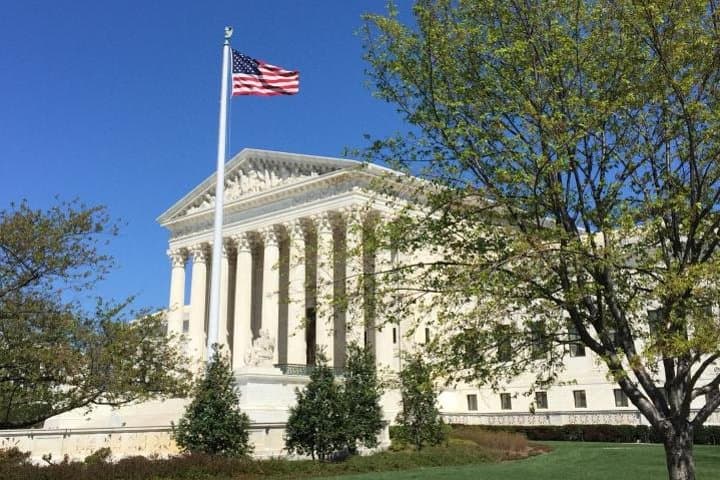
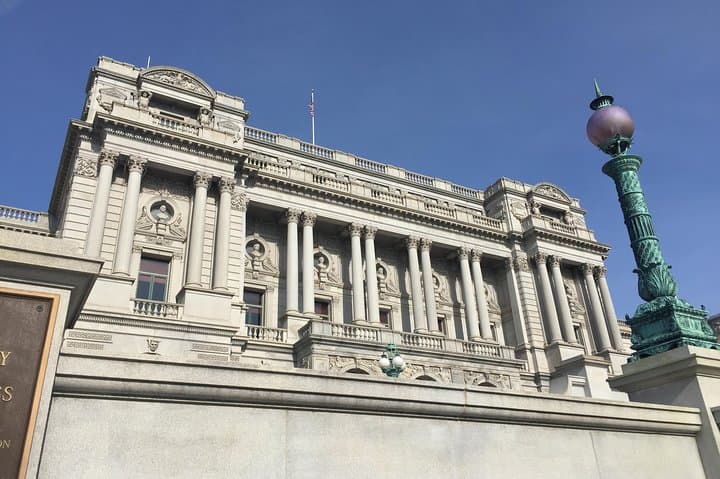
The Capitol’s core dates to the early 19th century and was rebuilt after the War of 1812; the Jefferson Building of the Library of Congress opened in 1897 with ornate mosaics and a reading room that still centers scholarship. The Supreme Court moved into its own neoclassical building in 1935, creating a distinct public face for the judiciary. Geologically, the hill sits on a low ridge above the Potomac plain; locally quarried stone and imported marble create the tonal palette of columns, staircases, and statuary.
Culture here is procedural and ceremonial — flags, robed justices, and the whisper of librarians preserving rare volumes. Nearby, the United States Botanic Garden provides a living contrast to marble halls and the Senate Statuary Hall contains sculptures often overlooked by quick itineraries.
Practically: expect security screening and ID checks, intermittent gallery access depending on congressional sessions, and several hours on your feet (the private itinerary runs roughly 6–8 hours). Dress in layers for indoor climate control and the possibility of outdoor walks between sites; photography rules vary by room. Bookings commonly include private transport and a guide who handles ticket arrangements, which simplifies timing. For visitors intent on depth, allow extra time at the Library of Congress to linger in the reading room and exhibits — those details reward the patient viewer.
easy.
6–8 hours.
Suitable for most visitors who can walk and stand for multiple hours; not strenuous.
This private tour includes ticket arrangements handled by the operator, but confirm whether any special exhibit fees are covered ahead of time.
Many areas are wheelchair accessible and the tour notes wheelchair access, but inform the operator of mobility needs at booking so they can prepare.
Photography rules vary by room and exhibit; your guide will advise where photos are allowed and where they are restricted.
If Congress is in session, access to the House and Senate galleries may be limited; guides typically adjust the itinerary and provide alternate viewing opportunities.
The Capitol’s original construction began in 1793; the Library of Congress’s Jefferson Building opened in 1897 and the Supreme Court moved into its own building in 1935, shaping how each branch presents itself to the public.
Historic interiors are sensitive to foot traffic and climate; follow posted rules, avoid flash photography where prohibited, and support conservation by using official tours and donations to preservation programs.
DC MILITARY TOURS, LLC operates guided outdoor trips and adventures with an emphasis on safety, stewardship, and memorable experiences.
Morning light cuts across the Capitol steps and the city exhales into the wide avenues of Capitol Hill. A private tour threads visitors from the Capitol’s bronze doors into the vaulting Main Reading Room of the Library of Congress, then across marble corridors to the bench of the Supreme Court — each space an argument in stone about how this republic sees itself.
Morning light cuts across the Capitol steps and the city exhales into the wide avenues of Capitol Hill. A private tour threads visitors from the Capitol’s bronze doors into the vaulting Main Reading Room of the Library of Congress, then across marble corridors to the bench of the Supreme Court — each space an argument in stone about how this republic sees itself.
The Capitol’s core dates to the early 19th century and was rebuilt after the War of 1812; the Jefferson Building of the Library of Congress opened in 1897 with ornate mosaics and a reading room that still centers scholarship. The Supreme Court moved into its own neoclassical building in 1935, creating a distinct public face for the judiciary. Geologically, the hill sits on a low ridge above the Potomac plain; locally quarried stone and imported marble create the tonal palette of columns, staircases, and statuary.
Culture here is procedural and ceremonial — flags, robed justices, and the whisper of librarians preserving rare volumes. Nearby, the United States Botanic Garden provides a living contrast to marble halls and the Senate Statuary Hall contains sculptures often overlooked by quick itineraries.
Practically: expect security screening and ID checks, intermittent gallery access depending on congressional sessions, and several hours on your feet (the private itinerary runs roughly 6–8 hours). Dress in layers for indoor climate control and the possibility of outdoor walks between sites; photography rules vary by room. Bookings commonly include private transport and a guide who handles ticket arrangements, which simplifies timing. For visitors intent on depth, allow extra time at the Library of Congress to linger in the reading room and exhibits — those details reward the patient viewer.