THE ADVENTURE COLLECTIVE® · Independent discovery and booking for outdoor travel

Explore pharaonic halls and centuries-old churches on a private half-day through Cairo’s cultural core. This guided route pairs the Egyptian Museum’s antiquities with the layered history of Coptic Cairo—an efficient introduction for first-time visitors.
Explore pharaonic halls and centuries-old churches on a private half-day through Cairo’s cultural core. This guided route pairs the Egyptian Museum’s antiquities with the layered history of Coptic Cairo—an efficient introduction for first-time visitors.
You step out of an air-conditioned vehicle into the roar of Tahrir Square, the city’s hum closing around the stone façade of the Egyptian Museum. Dust-slick streets and hawkers recede as you cross into galleries lit by glass cases—masses of gilded coffins, the careful geometry of funerary masks, and faces that have watched the Nile for millennia.
Verified experiences and guided adventures in the surrounding area.
Operated by NORTH AFRICAN SHIPPING AND TOURISM COMPANY (NASCO TOURS) · Cairo, Cairo Governorate
You step out of an air-conditioned vehicle into the roar of Tahrir Square, the city’s hum closing around the stone façade of the Egyptian Museum. Dust-slick streets and hawkers recede as you cross into galleries lit by glass cases—masses of gilded coffins, the careful geometry of funerary masks, and faces that have watched the Nile for millennia.
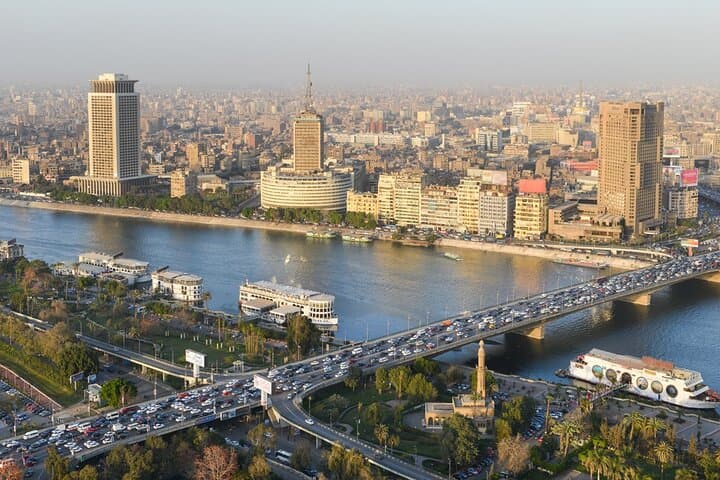
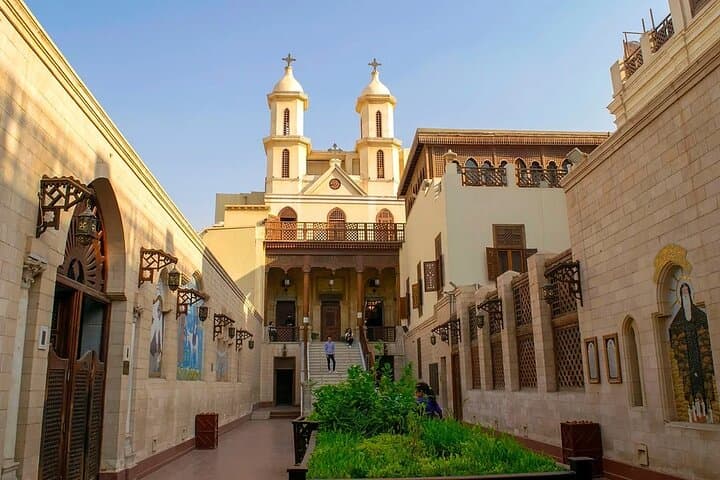
The museum itself was built to contain Egypt’s Pharaonic heritage across more than 100 exhibition halls and roughly 13,600 square meters of display space. Nearby, Old Cairo sits on the Nile’s eastern floodplain—soil of alluvial silt and limestones that supported millennia of settlement. Coptic Cairo preserves layers of faith: the Roman-era Babylon Fortress, the Coptic Museum’s curated icons, the Hanging Church’s wooden nave, and the round-domed Greek Church of St. George. Many churches date from after the 7th-century Muslim conquest and reflect a continuous Christian presence in a predominantly Islamic city.
This private half-day tour blends indoor collections with short urban walks between sites; expect mostly paved surfaces, crowds in peak season, and narrow lanes in the Coptic quarter. Practicalities: wear comfortable shoes, bring a brimmed hat and water in summer, and dress modestly when entering churches. Photography is generally allowed but follow guide and museum rules for restricted rooms and flash. Plan for moderate walking (roughly 2–3 miles) and heavy sensory input—aroma of street food, church incense, and the ever-present sight of the Nile. Morning starts avoid heat and crowds; carry small change for café stops and a tip for your guide.
easy.
5–6 hours.
Suitable for travelers in average condition who can walk 2–3 miles on paved surfaces and manage short stair sections.
This private tour lists admissions to the Egyptian Museum and the Coptic Museum as included—confirm at booking for any changes.
Yes; the itinerary is rated easy and suitable for most fitness levels, though it involves walking and some steps in heritage buildings.
Photography policies vary—general photography is common but certain rooms or artifacts may prohibit flash or cameras; follow your guide and posted signs.
The tour provides hotel pickup and drop-off in an air-conditioned vehicle; confirm your pickup point and timing when booking.
Coptic Cairo grew around the Roman-era Babylon Fortress and became a Christian stronghold with churches developed from the 7th century onward, preserving art and liturgy in a changing urban landscape.
Museums in Cairo face conservation challenges from urban pollution and humidity; visitors can help by avoiding flash photography and following exhibit rules to protect fragile artifacts.
NORTH AFRICAN SHIPPING AND TOURISM COMPANY (NASCO TOURS) operates guided outdoor trips and adventures with an emphasis on safety, stewardship, and memorable experiences.
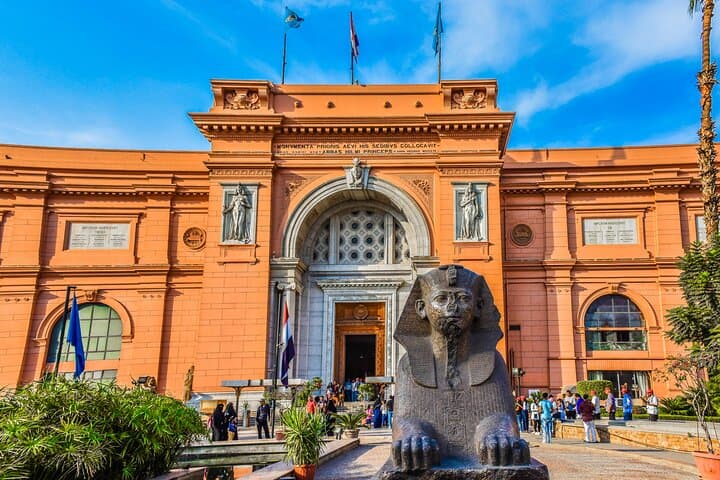
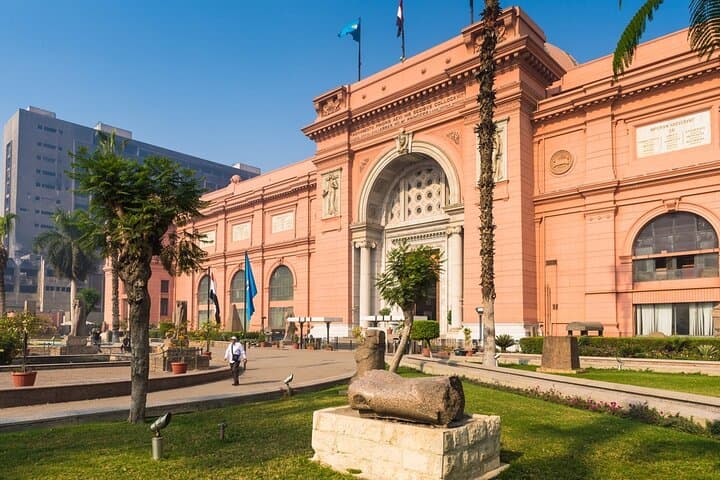
You step out of an air-conditioned vehicle into the roar of Tahrir Square, the city’s hum closing around the stone façade of the Egyptian Museum. Dust-slick streets and hawkers recede as you cross into galleries lit by glass cases—masses of gilded coffins, the careful geometry of funerary masks, and faces that have watched the Nile for millennia.
You step out of an air-conditioned vehicle into the roar of Tahrir Square, the city’s hum closing around the stone façade of the Egyptian Museum. Dust-slick streets and hawkers recede as you cross into galleries lit by glass cases—masses of gilded coffins, the careful geometry of funerary masks, and faces that have watched the Nile for millennia.
The museum itself was built to contain Egypt’s Pharaonic heritage across more than 100 exhibition halls and roughly 13,600 square meters of display space. Nearby, Old Cairo sits on the Nile’s eastern floodplain—soil of alluvial silt and limestones that supported millennia of settlement. Coptic Cairo preserves layers of faith: the Roman-era Babylon Fortress, the Coptic Museum’s curated icons, the Hanging Church’s wooden nave, and the round-domed Greek Church of St. George. Many churches date from after the 7th-century Muslim conquest and reflect a continuous Christian presence in a predominantly Islamic city.
This private half-day tour blends indoor collections with short urban walks between sites; expect mostly paved surfaces, crowds in peak season, and narrow lanes in the Coptic quarter. Practicalities: wear comfortable shoes, bring a brimmed hat and water in summer, and dress modestly when entering churches. Photography is generally allowed but follow guide and museum rules for restricted rooms and flash. Plan for moderate walking (roughly 2–3 miles) and heavy sensory input—aroma of street food, church incense, and the ever-present sight of the Nile. Morning starts avoid heat and crowds; carry small change for café stops and a tip for your guide.