THE ADVENTURE COLLECTIVE® · Independent discovery and booking for outdoor travel

Step inside Caernarfon Castle on a small-group shore excursion from Holyhead. This guided tour includes admission, personal commentary, and time to climb the Eagle Tower or explore Caernarfon town.
Step inside Caernarfon Castle on a small-group shore excursion from Holyhead. This guided tour includes admission, personal commentary, and time to climb the Eagle Tower or explore Caernarfon town.
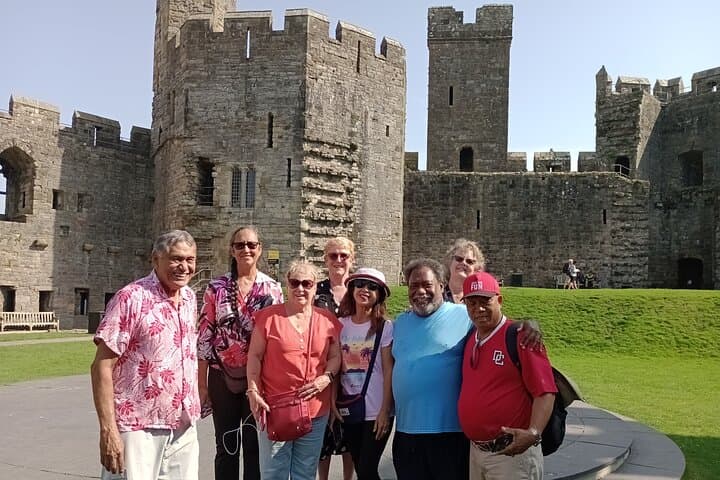
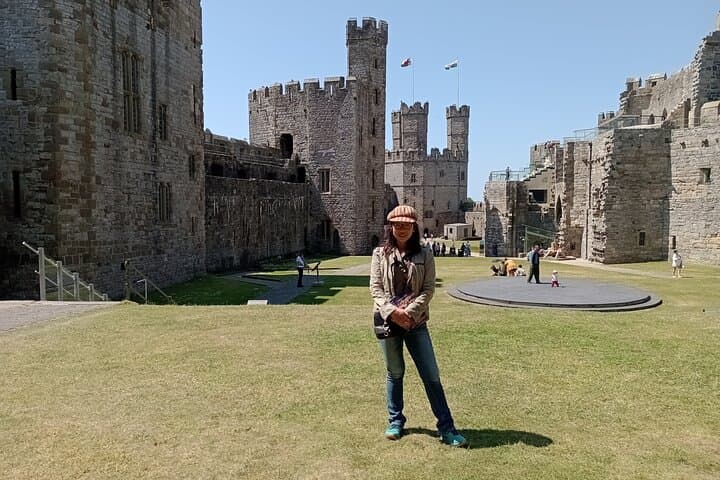
The coach spills you out beneath the sheer stone of Caernarfon Castle, and the Menai Strait threads the horizon like a dare. Up close the curtain walls feel compact and purposeful — arrow loops, massive towers and the stepped banding that marks Edwardian ambition. The guide moves easily through voice and gesture, pointing out the place where princes were celebrated and, centuries earlier, a royal birth reshaped English–Welsh politics.
Verified experiences and guided adventures in the surrounding area.
Operated by Tudno Tours · Caernarfon, Gwynedd
The coach spills you out beneath the sheer stone of Caernarfon Castle, and the Menai Strait threads the horizon like a dare. Up close the curtain walls feel compact and purposeful — arrow loops, massive towers and the stepped banding that marks Edwardian ambition. The guide moves easily through voice and gesture, pointing out the place where princes were celebrated and, centuries earlier, a royal birth reshaped English–Welsh politics.
Built by Edward I in the late 13th century as part of the ring of castles around Gwynedd, Caernarfon stands on a coastal terrace of reclaimed sediment and local stone, framed by views of Snowdonia’s folded ridges. The castle’s polygonal towers and concentric layout were meant to impress as much as defend; later uses included royal housing, garrison quarters and, in the 20th century, pageantry for investitures.
Culturally the town is outspokenly Welsh — bilingual signs, local shops selling Welsh cakes, and a harbour scene that changes with the tide. After a focused guided walk through the interiors and exhibitions, guests can opt to climb the Eagle Tower (steep steps, spectacular sightlines) or use the lift to a viewing platform.
Practical notes: the full excursion runs around 3–3.5 hours door-to-door from Holyhead, includes castle admission, and limits groups to eight for a conversational pace. Wear sturdy shoes for uneven stone and narrow stairs, bring a waterproof layer for coastal winds, and allow time to stroll Caernarfon’s town centre if your schedule permits.
moderate.
3–3.5 hours.
Moderate fitness: able to walk for 60–90 minutes with some stairs and standing during the tour
Yes — the excursion price includes entrance to Caernarfon Castle and the guided tour.
A lift provides access to a viewing area for those unable to climb the highest stair sections; some historic areas still have uneven thresholds.
You receive about 30 minutes of free time to explore the castle further or visit nearby shops in town.
Yes — the itinerary crosses Anglesey and the Britannia Bridge with views of the Menai Strait and the mountains of Snowdonia on clear days.
Caernarfon Castle was begun by Edward I in 1283 as a symbol of English rule in northwest Wales and later used for ceremonial investitures of the Prince of Wales.
The castle is part of the UNESCO 'Castles and Town Walls of King Edward in Gwynedd' site; visitors are asked to stay on paths and respect fragile masonry and displays.
Tudno Tours operates guided outdoor trips and adventures with an emphasis on safety, stewardship, and memorable experiences.
The coach spills you out beneath the sheer stone of Caernarfon Castle, and the Menai Strait threads the horizon like a dare. Up close the curtain walls feel compact and purposeful — arrow loops, massive towers and the stepped banding that marks Edwardian ambition. The guide moves easily through voice and gesture, pointing out the place where princes were celebrated and, centuries earlier, a royal birth reshaped English–Welsh politics.
The coach spills you out beneath the sheer stone of Caernarfon Castle, and the Menai Strait threads the horizon like a dare. Up close the curtain walls feel compact and purposeful — arrow loops, massive towers and the stepped banding that marks Edwardian ambition. The guide moves easily through voice and gesture, pointing out the place where princes were celebrated and, centuries earlier, a royal birth reshaped English–Welsh politics.
Built by Edward I in the late 13th century as part of the ring of castles around Gwynedd, Caernarfon stands on a coastal terrace of reclaimed sediment and local stone, framed by views of Snowdonia’s folded ridges. The castle’s polygonal towers and concentric layout were meant to impress as much as defend; later uses included royal housing, garrison quarters and, in the 20th century, pageantry for investitures.
Culturally the town is outspokenly Welsh — bilingual signs, local shops selling Welsh cakes, and a harbour scene that changes with the tide. After a focused guided walk through the interiors and exhibitions, guests can opt to climb the Eagle Tower (steep steps, spectacular sightlines) or use the lift to a viewing platform.
Practical notes: the full excursion runs around 3–3.5 hours door-to-door from Holyhead, includes castle admission, and limits groups to eight for a conversational pace. Wear sturdy shoes for uneven stone and narrow stairs, bring a waterproof layer for coastal winds, and allow time to stroll Caernarfon’s town centre if your schedule permits.