THE ADVENTURE COLLECTIVE® · Independent discovery and booking for outdoor travel

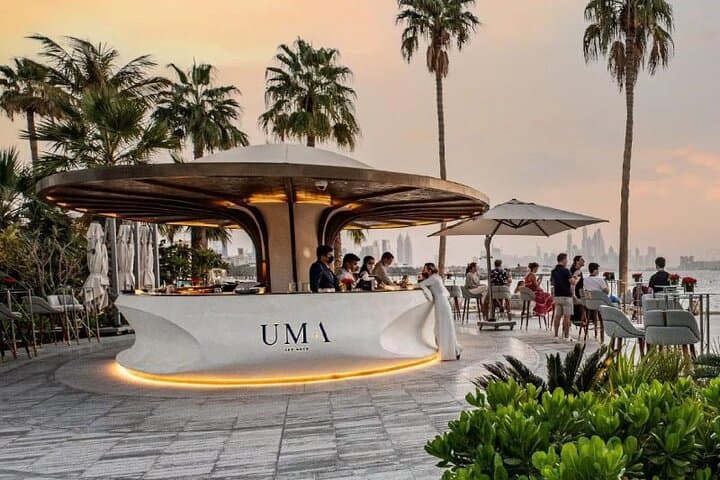
Get a rare inside look at Dubai’s iconic Burj Al Arab, from its towering atrium to a luxurious UMA Lounge stop where a Gold Cappuccino awaits. This guided visit blends architecture, service theatre, and practical tips for visitors.
Get a rare inside look at Dubai’s iconic Burj Al Arab, from its towering atrium to a luxurious UMA Lounge stop where a Gold Cappuccino awaits. This guided visit blends architecture, service theatre, and practical tips for visitors.
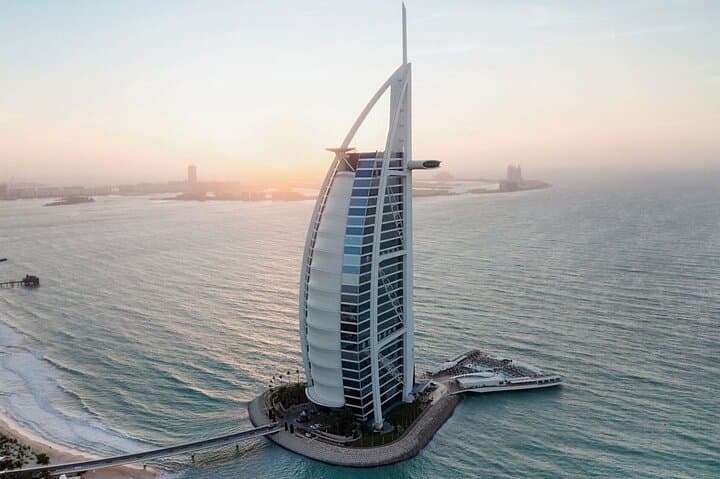
You step up to the swept curve of Burj Al Arab’s private island and the sea throws a bright, salty edge to the air; the hotel’s sail-shaped silhouette looms like a modern landmark daring the Arabian Gulf to outshine it.
Verified experiences and guided adventures in the surrounding area.
Operated by Princess Tourism · Dubai, Dubai
You step up to the swept curve of Burj Al Arab’s private island and the sea throws a bright, salty edge to the air; the hotel’s sail-shaped silhouette looms like a modern landmark daring the Arabian Gulf to outshine it.
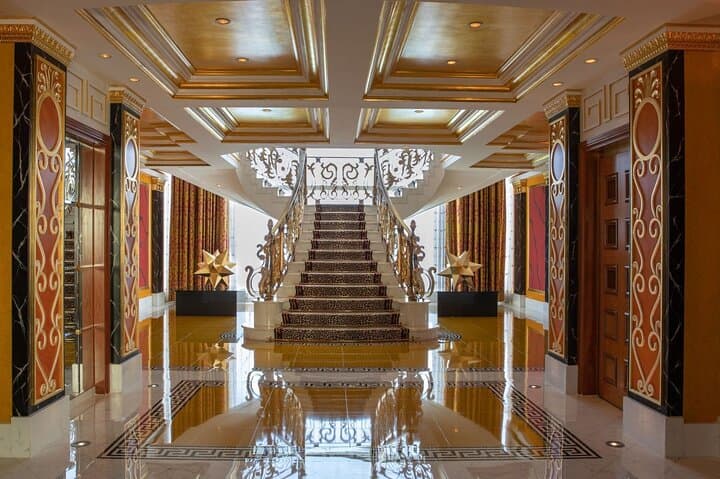
The guided interior tour moves from the vast atrium—one of the tallest in the world—through gilt-trimmed corridors into a suite that shows how Dubai translated traditional Arabian motifs into contemporary luxury. Built on a purpose-made island in the late 1990s, the hotel is as much an engineering achievement as it is a hospitality statement; the concrete breakwater and artificial foundation allowed architects to push a form few coastal sites permit.
Culturally, the Burj Al Arab reflects Dubai’s rapid pivot from pearl-diving economy to global hospitality hub: ostentatious finishes sit beside elements of Arabic design and service rituals. From the UMA Lounge, the Gulf glitters and the sound of the water pushes against the island, a reminder that the city’s coast is both stage and resource.
Practical guidance: tours run about two hours and are suitable for most fitness levels; expect brief standing, a few steps and plenty of photo stops. Dress smart-casual—no swimwear in public areas—and carry ID for entry. Morning slots are cooler and less crowded; afternoon light is best for gulf-facing photos.
Respect the private nature of some spaces, keep voices low in suites, and consider combining the visit with a stroll along Jumeirah Beach Road to balance the interior opulence with Dubai’s coastal character.
easy.
2–2.5 hours.
Minimal fitness required; must be able to stand and walk short distances
Yes; spots are limited and the tour is private—book in advance to secure your preferred time.
No strict age limit, but infants may be asked to sit on laps and some areas require careful supervision.
Large bags may be restricted for security and space reasons—travel light or store luggage at your hotel.
Photography is generally permitted in public areas and suites on the tour, but follow guide guidance and avoid photographing staff closely.
Opened in 1999 on an artificial island, Burj Al Arab was designed to be an unmistakable symbol of Dubai’s leap into global luxury tourism.
The hotel sits on reclaimed coastline—Dubai’s coastal development has affected marine habitats, so visitors are encouraged to avoid disturbing wildlife and follow local marine protection guidelines.
Princess Tourism operates guided outdoor trips and adventures with an emphasis on safety, stewardship, and memorable experiences.

You step up to the swept curve of Burj Al Arab’s private island and the sea throws a bright, salty edge to the air; the hotel’s sail-shaped silhouette looms like a modern landmark daring the Arabian Gulf to outshine it.
You step up to the swept curve of Burj Al Arab’s private island and the sea throws a bright, salty edge to the air; the hotel’s sail-shaped silhouette looms like a modern landmark daring the Arabian Gulf to outshine it.
The guided interior tour moves from the vast atrium—one of the tallest in the world—through gilt-trimmed corridors into a suite that shows how Dubai translated traditional Arabian motifs into contemporary luxury. Built on a purpose-made island in the late 1990s, the hotel is as much an engineering achievement as it is a hospitality statement; the concrete breakwater and artificial foundation allowed architects to push a form few coastal sites permit.
Culturally, the Burj Al Arab reflects Dubai’s rapid pivot from pearl-diving economy to global hospitality hub: ostentatious finishes sit beside elements of Arabic design and service rituals. From the UMA Lounge, the Gulf glitters and the sound of the water pushes against the island, a reminder that the city’s coast is both stage and resource.
Practical guidance: tours run about two hours and are suitable for most fitness levels; expect brief standing, a few steps and plenty of photo stops. Dress smart-casual—no swimwear in public areas—and carry ID for entry. Morning slots are cooler and less crowded; afternoon light is best for gulf-facing photos.
Respect the private nature of some spaces, keep voices low in suites, and consider combining the visit with a stroll along Jumeirah Beach Road to balance the interior opulence with Dubai’s coastal character.