THE ADVENTURE COLLECTIVE® · Independent discovery and booking for outdoor travel

Explore the iconic sail-shaped Burj Al Arab on a 3–4 hour butler-guided tour that includes the atrium, Royal Suite highlights and a Gold Cappuccino at UMA Sunset Lounge. Learn about the hotel’s design, local context and practical tips for a smooth visit.
Explore the iconic sail-shaped Burj Al Arab on a 3–4 hour butler-guided tour that includes the atrium, Royal Suite highlights and a Gold Cappuccino at UMA Sunset Lounge. Learn about the hotel’s design, local context and practical tips for a smooth visit.
You step out of the transfer buggy onto the low sea breeze and the sail-shaped silhouette of the Burj Al Arab rises like an engineered wave against the Persian Gulf.
Verified experiences and guided adventures in the surrounding area.
Operated by Travzi World Travel & Tourism LLC · Dubai, Dubai
You step out of the transfer buggy onto the low sea breeze and the sail-shaped silhouette of the Burj Al Arab rises like an engineered wave against the Persian Gulf.
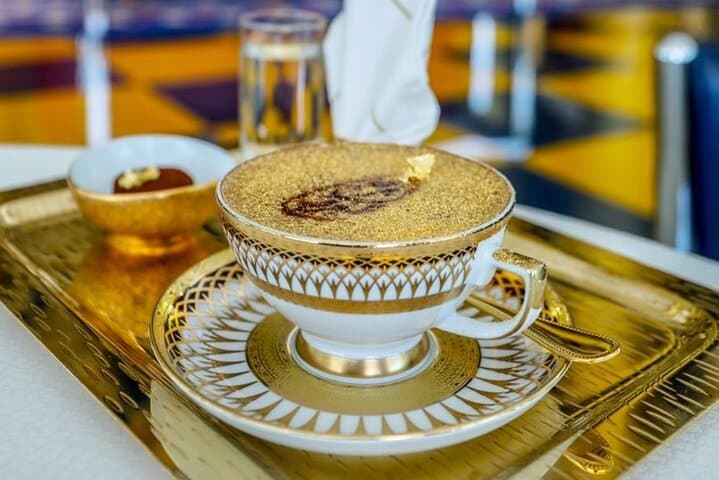
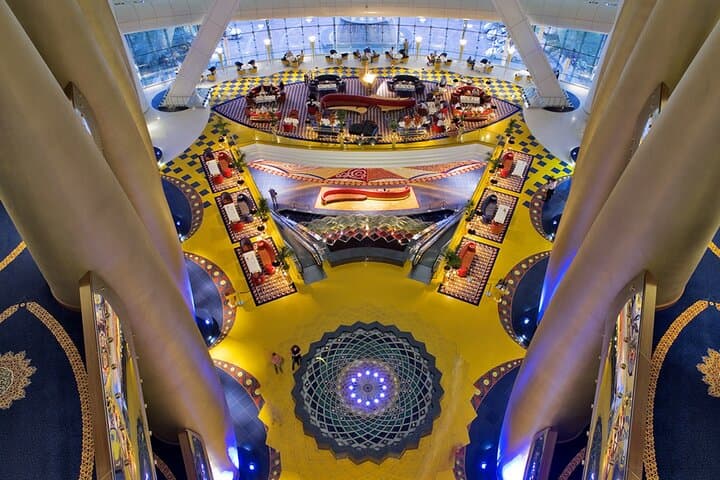
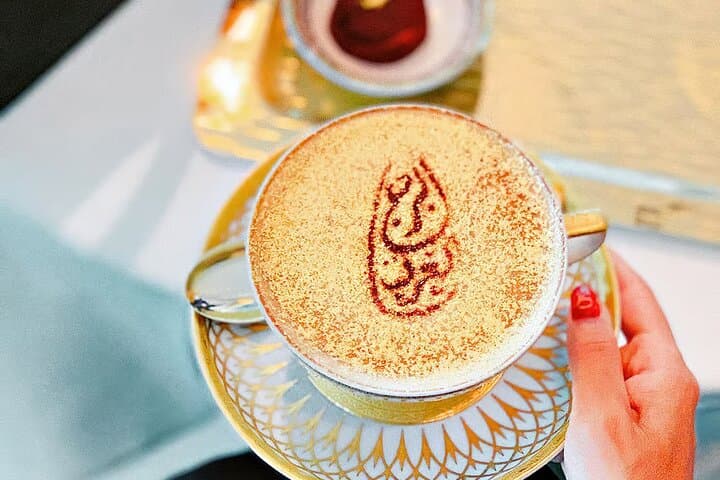
A 3–4 hour, butler-guided visit moves from the cavernous, palm-towered atrium—one of the tallest hotel atria in the world—into the gilded corridors and the famed Royal Suite, where scale and detail are on constant display. The tour includes a curated Experience Suite with digital interactives that trace the hotel’s design origins and a post-tour Gold Cappuccino at UMA Sunset Lounge.
Opened in 1999 on a man-made island connected by a private bridge, the Burj Al Arab was designed to project Dubai’s rapid urban ambitions; its structural and interior flourishes reflect late-20th-century engineering and contemporary Emirati hospitality. The site sits on reclaimed coastal land along Jumeirah, where limestone shoreline meets shallow gulf waters and solar-glare afternoons.
Practicalities are straightforward: the tour provides an entrance pass and briefed access to selected interiors, but photography and access may be limited in private or serviced areas. Dress smart-casual—respectful attire is expected in public spaces—and allow extra time for hotel security checks and Dubai traffic. Mobility access is available, and families are welcome, though the experience is tuned toward guests seeking an interpretive look at one of the city’s most photographed landmarks.
Timing your visit for late afternoon maximizes light for photos and finishes with sunset views over the Gulf. Hydrate, carry ID for check-in, and book transfers in advance if you prefer door-to-door service—this keeps the focus on the architecture and stories rather than logistics.
easy.
3–4 hours.
Suitable for travelers of all fitness levels who can stand and walk short indoor distances
The guided experience runs approximately 3–4 hours, including the Experience Suite and the Gold Cappuccino stop.
Photography is generally permitted in public areas, but some private or serviced zones may restrict photos—follow staff guidance on-site.
Yes—information indicates wheelchair accessibility for surfaces and transport options; confirm any specific mobility needs when booking.
Reservations are recommended; the tour includes an entrance pass and private arrangements, and availability can be limited.
Built on reclaimed land and opened in 1999, Burj Al Arab was conceived as a symbol of Dubai’s late-20th-century growth and modern hospitality ambitions.
Coastal development in the Jumeirah area has required careful marine and shoreline management; visitors should respect signage and avoid disturbing shoreline habitats.
Travzi World Travel & Tourism LLC operates guided outdoor trips and adventures with an emphasis on safety, stewardship, and memorable experiences.

You step out of the transfer buggy onto the low sea breeze and the sail-shaped silhouette of the Burj Al Arab rises like an engineered wave against the Persian Gulf.
You step out of the transfer buggy onto the low sea breeze and the sail-shaped silhouette of the Burj Al Arab rises like an engineered wave against the Persian Gulf.
A 3–4 hour, butler-guided visit moves from the cavernous, palm-towered atrium—one of the tallest hotel atria in the world—into the gilded corridors and the famed Royal Suite, where scale and detail are on constant display. The tour includes a curated Experience Suite with digital interactives that trace the hotel’s design origins and a post-tour Gold Cappuccino at UMA Sunset Lounge.
Opened in 1999 on a man-made island connected by a private bridge, the Burj Al Arab was designed to project Dubai’s rapid urban ambitions; its structural and interior flourishes reflect late-20th-century engineering and contemporary Emirati hospitality. The site sits on reclaimed coastal land along Jumeirah, where limestone shoreline meets shallow gulf waters and solar-glare afternoons.
Practicalities are straightforward: the tour provides an entrance pass and briefed access to selected interiors, but photography and access may be limited in private or serviced areas. Dress smart-casual—respectful attire is expected in public spaces—and allow extra time for hotel security checks and Dubai traffic. Mobility access is available, and families are welcome, though the experience is tuned toward guests seeking an interpretive look at one of the city’s most photographed landmarks.
Timing your visit for late afternoon maximizes light for photos and finishes with sunset views over the Gulf. Hydrate, carry ID for check-in, and book transfers in advance if you prefer door-to-door service—this keeps the focus on the architecture and stories rather than logistics.