THE ADVENTURE COLLECTIVE® · Independent discovery and booking for outdoor travel

Step behind the velvet ropes of Dubai’s sail-shaped icon. This private 90-minute tour grants access to the Burj Al Arab’s Royal Suites, architecture highlights and curated stories—paired with transfer and a dedicated butler guide.
Step behind the velvet ropes of Dubai’s sail-shaped icon. This private 90-minute tour grants access to the Burj Al Arab’s Royal Suites, architecture highlights and curated stories—paired with transfer and a dedicated butler guide.
A warm wind off the Persian Gulf lifts the scent of salt and concrete as the coach pulls onto the bridge toward the Burj Al Arab. Glass and steel rise like a curved sail above Jumeirah beach; inside, quietly polished corridors and gold-leaf details prepare visitors for a different kind of Dubai spectacle.
Verified experiences and guided adventures in the surrounding area.
Operated by RAH Tourism Dubai · Dubai, Dubai
A warm wind off the Persian Gulf lifts the scent of salt and concrete as the coach pulls onto the bridge toward the Burj Al Arab. Glass and steel rise like a curved sail above Jumeirah beach; inside, quietly polished corridors and gold-leaf details prepare visitors for a different kind of Dubai spectacle.
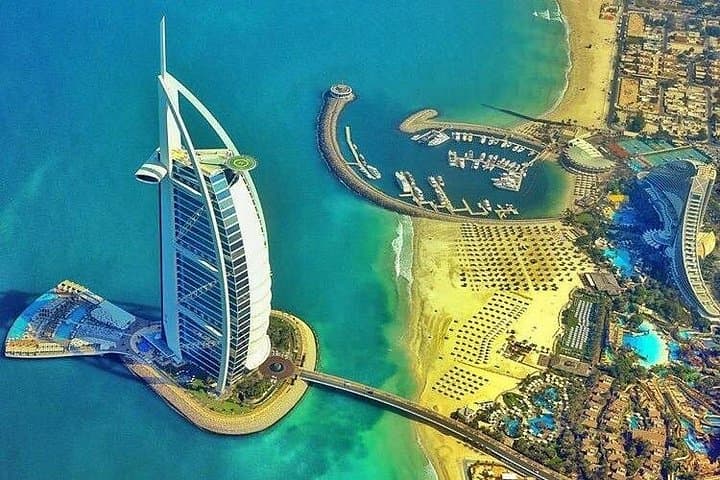
The 90-minute guided tour opens rooms normally closed to the public—the Royal Suites, double-height atriums and curated spaces that chart the hotel's rapid rise since its 1999 debut. Architect Tom Wright’s sail-shaped silhouette sits on an artificial island; beneath the marble and mosaics are engineering choices driven by coastal sands and reclaimed land. This is a building as much about ambition as it is about craft.
Culturally, the Burj Al Arab is shorthand for Dubai’s switch from pearl-trading port to global tourism hub. Expect stories about construction logistics, hospitality rituals, and the bespoke service model that turned private butlers into part of the brand.
Practically, the experience is brisk and precise. Tours include a butler-guided walkthrough with dedicated time in key suites, and transfers use air-conditioned vehicles. Security checks and a smart dress code are enforced; visitors should carry photo ID and arrive early for pickup. Photography is allowed in many spaces but can be restricted in private areas—ask your guide.
For travelers, this is less about adrenaline and more about access: a close-up of Dubai’s theatrical hospitality with clear, actionable logistics—plan for 2.5 hours total, wear smart-casual attire, and leave room afterward for a seaside walk or a view of the city skyline as the sun lowers over the gulf.
easy.
2–3 hours.
Suitable for most fitness levels; minimal walking on flat, indoor surfaces with short steps.
Yes—infants and small children are allowed; strollers can be used and infant seats are available in transfers.
Transfers are included by air-conditioned vehicle; pickup locations vary—provide your preferred meeting point at booking.
The tour provider can handle accessibility needs and special requests if noted at booking—declare requirements in advance.
Full refund available if cancelled at least 24 hours before departure; cancellations within 24 hours are non-refundable.
Opened in 1999 and designed by Tom Wright, the Burj Al Arab was built on a man-made island and quickly became a symbol of Dubai’s rapid tourism and architectural ambitions.
Coastal development in Dubai affects shoreline ecosystems; visitors are encouraged to stick to designated paths and respect beach clean-up signage. Jumeirah Group runs sustainability initiatives focused on energy efficiency and water management across its properties.
RAH Tourism Dubai operates guided outdoor trips and adventures with an emphasis on safety, stewardship, and memorable experiences.
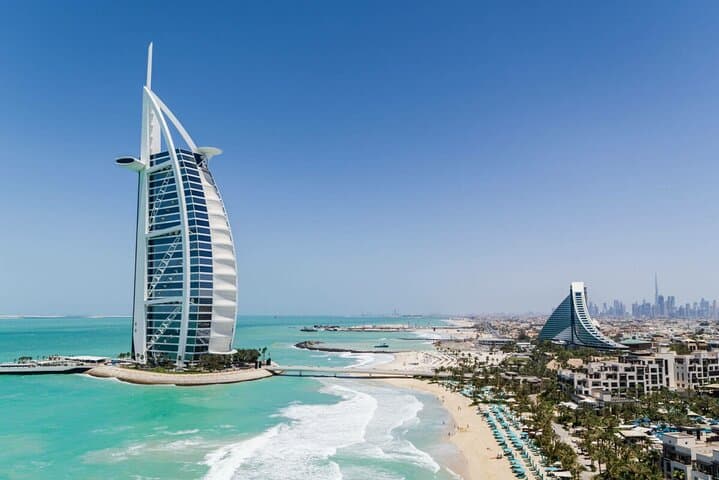
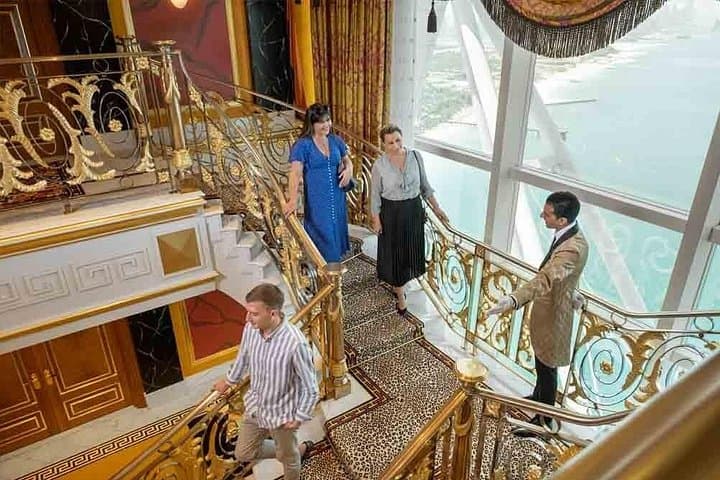
A warm wind off the Persian Gulf lifts the scent of salt and concrete as the coach pulls onto the bridge toward the Burj Al Arab. Glass and steel rise like a curved sail above Jumeirah beach; inside, quietly polished corridors and gold-leaf details prepare visitors for a different kind of Dubai spectacle.
A warm wind off the Persian Gulf lifts the scent of salt and concrete as the coach pulls onto the bridge toward the Burj Al Arab. Glass and steel rise like a curved sail above Jumeirah beach; inside, quietly polished corridors and gold-leaf details prepare visitors for a different kind of Dubai spectacle.
The 90-minute guided tour opens rooms normally closed to the public—the Royal Suites, double-height atriums and curated spaces that chart the hotel's rapid rise since its 1999 debut. Architect Tom Wright’s sail-shaped silhouette sits on an artificial island; beneath the marble and mosaics are engineering choices driven by coastal sands and reclaimed land. This is a building as much about ambition as it is about craft.
Culturally, the Burj Al Arab is shorthand for Dubai’s switch from pearl-trading port to global tourism hub. Expect stories about construction logistics, hospitality rituals, and the bespoke service model that turned private butlers into part of the brand.
Practically, the experience is brisk and precise. Tours include a butler-guided walkthrough with dedicated time in key suites, and transfers use air-conditioned vehicles. Security checks and a smart dress code are enforced; visitors should carry photo ID and arrive early for pickup. Photography is allowed in many spaces but can be restricted in private areas—ask your guide.
For travelers, this is less about adrenaline and more about access: a close-up of Dubai’s theatrical hospitality with clear, actionable logistics—plan for 2.5 hours total, wear smart-casual attire, and leave room afterward for a seaside walk or a view of the city skyline as the sun lowers over the gulf.