THE ADVENTURE COLLECTIVE® · Independent discovery and booking for outdoor travel

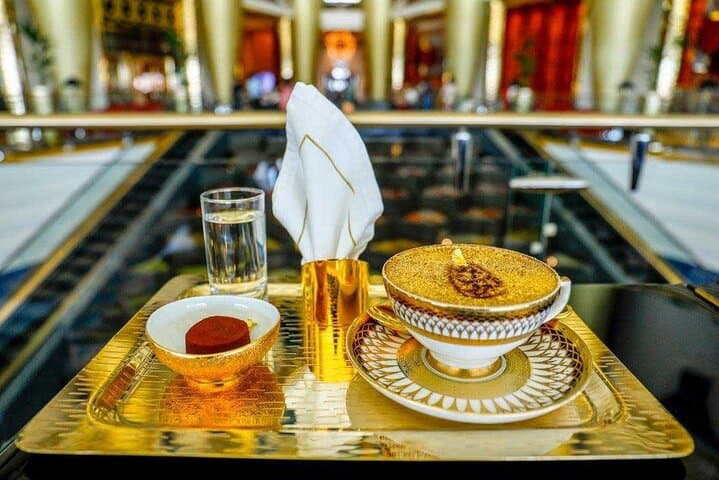
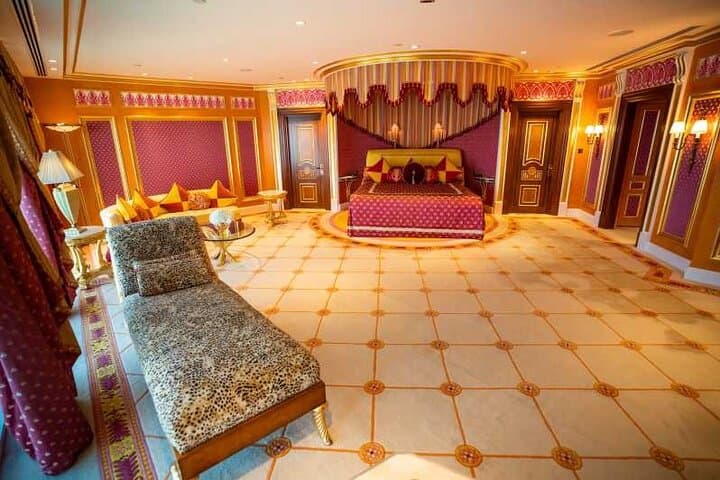
Step inside Dubai’s most photographed hotel for a guided look at its atrium, Royal Suite and a Gold Cappuccino at UMA. This 90–120 minute experience mixes architectural history with VIP access and optional transfer.
Step inside Dubai’s most photographed hotel for a guided look at its atrium, Royal Suite and a Gold Cappuccino at UMA. This 90–120 minute experience mixes architectural history with VIP access and optional transfer.
A low-slung buggy deposits you at the foot of a sail—salt air tasting of the Persian Gulf, glass and steel rising on an artificial island. You step across the bridge and the city’s skyline falls away; inside, a cavernous atrium opens like a stage, chandeliers dropping like slow meteors and marble floors that click underfoot.
Verified experiences and guided adventures in the surrounding area.
Operated by Sougat Travel & Tourism LLC · Dubai, Dubai
A low-slung buggy deposits you at the foot of a sail—salt air tasting of the Persian Gulf, glass and steel rising on an artificial island. You step across the bridge and the city’s skyline falls away; inside, a cavernous atrium opens like a stage, chandeliers dropping like slow meteors and marble floors that click underfoot.
Completed in 1999 and designed by Tom Wright, Burj Al Arab sits on a man-made island connected to Jumeirah by a private bridge. The structure’s form reflects Dubai’s late-20th-century leap from pearl-diving past to global tourism hub. Geologically, the hotel rests on reinforced piles driven into reclaimed sand; the Gulf’s currents and coastal engineering are part of the story you’ll hear on the guided route.
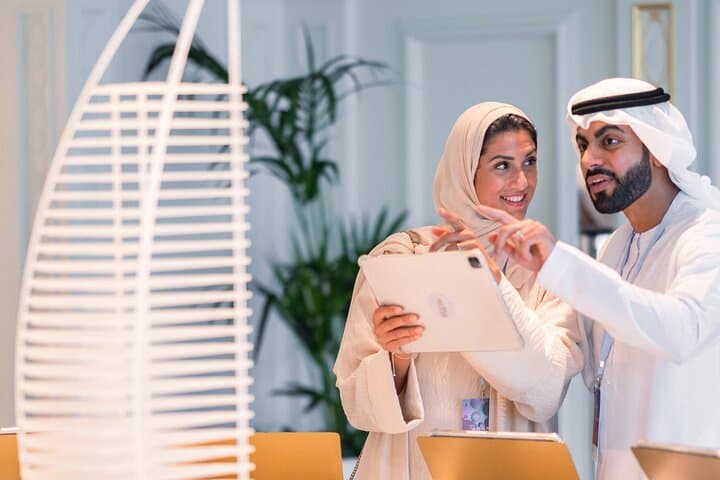
Culturally, the hotel is both a luxury landmark and a public face of Emirati ambition—its Royal Suite and the curated Experience Suite map how design, hospitality and spectacle intersect in Dubai’s modern identity.
Practical guidance: tours run roughly 90–120 minutes and include access to the atrium, a look into the Royal Suite, an interactive Experience Suite and a signature Gold Cappuccino at UMA. Transfers are offered if selected at booking; bring a government ID for check-in and dress smart-casual (no swimwear in public areas). Photography is generally allowed in public spaces but follow staff directions in private suites.
Timing matters—visit in the cooler hours for easier arrivals and clearer photos—and factor in traffic along Jumeirah Road. Reserve in advance, confirm pickup details, and leave extra time if combining the tour with nearby sights like Souk Madinat Jumeirah or the public Jumeirah beach.
easy.
1.5–2 hours.
Suitable for all fitness levels; mostly standing and short walking on level indoor surfaces
Tours are advertised at about 90 minutes but some experiences and transfers can extend the visit to around 120 minutes—check your booking confirmation.
Yes, the tour includes a Gold Cappuccino at UMA as part of the experience outlined in the itinerary.
Yes—access is available via guided tour bookings; independent access to suites or public areas is restricted without a reservation or tour.
Transfer is included only if the transfer option was selected at booking; otherwise pickup/drop-off is not provided.
Opened in 1999 and built on reclaimed land, Burj Al Arab was designed to be an international symbol of Dubai’s growth and high-end hospitality.
The hotel and nearby developments work within coastal management plans; visitors can help by minimizing single-use plastics and staying on designated paths.
Sougat Travel & Tourism LLC operates guided outdoor trips and adventures with an emphasis on safety, stewardship, and memorable experiences.
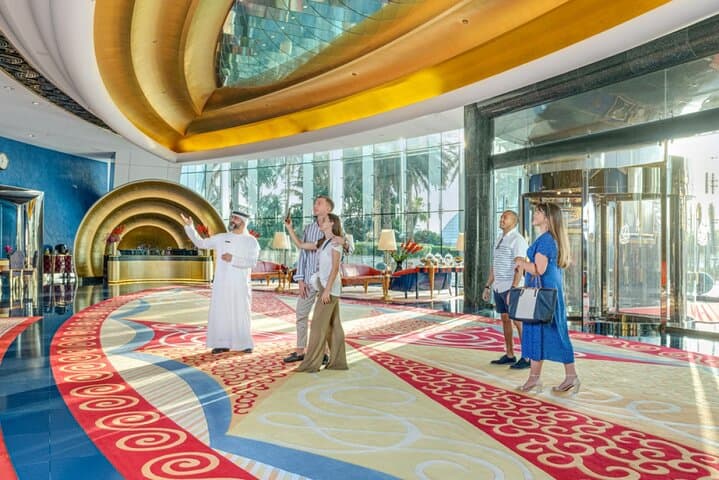
A low-slung buggy deposits you at the foot of a sail—salt air tasting of the Persian Gulf, glass and steel rising on an artificial island. You step across the bridge and the city’s skyline falls away; inside, a cavernous atrium opens like a stage, chandeliers dropping like slow meteors and marble floors that click underfoot.
A low-slung buggy deposits you at the foot of a sail—salt air tasting of the Persian Gulf, glass and steel rising on an artificial island. You step across the bridge and the city’s skyline falls away; inside, a cavernous atrium opens like a stage, chandeliers dropping like slow meteors and marble floors that click underfoot.
Completed in 1999 and designed by Tom Wright, Burj Al Arab sits on a man-made island connected to Jumeirah by a private bridge. The structure’s form reflects Dubai’s late-20th-century leap from pearl-diving past to global tourism hub. Geologically, the hotel rests on reinforced piles driven into reclaimed sand; the Gulf’s currents and coastal engineering are part of the story you’ll hear on the guided route.
Culturally, the hotel is both a luxury landmark and a public face of Emirati ambition—its Royal Suite and the curated Experience Suite map how design, hospitality and spectacle intersect in Dubai’s modern identity.
Practical guidance: tours run roughly 90–120 minutes and include access to the atrium, a look into the Royal Suite, an interactive Experience Suite and a signature Gold Cappuccino at UMA. Transfers are offered if selected at booking; bring a government ID for check-in and dress smart-casual (no swimwear in public areas). Photography is generally allowed in public spaces but follow staff directions in private suites.
Timing matters—visit in the cooler hours for easier arrivals and clearer photos—and factor in traffic along Jumeirah Road. Reserve in advance, confirm pickup details, and leave extra time if combining the tour with nearby sights like Souk Madinat Jumeirah or the public Jumeirah beach.