THE ADVENTURE COLLECTIVE® · Independent discovery and booking for outdoor travel

Step across the private causeway into the sail-shaped silhouette of Burj Al Arab for a 90-minute butler-guided tour that opens the Royal Suite, atrium and behind-the-scenes design stories. Practical tips on access, photography rules and timing help you plan the visit.
Step across the private causeway into the sail-shaped silhouette of Burj Al Arab for a 90-minute butler-guided tour that opens the Royal Suite, atrium and behind-the-scenes design stories. Practical tips on access, photography rules and timing help you plan the visit.
A pale morning light cuts across the Persian Gulf as you step from the private bridge onto the crescent island that holds Burj Al Arab. The hotel’s gleaming white curve rises like a sculpted sail above Jumeirah’s shoreline, its glass and gold interiors promising excess and precision in equal measure.
Verified experiences and guided adventures in the surrounding area.
Operated by Arabian Vista Tourism LLC · Dubai, Dubai
A pale morning light cuts across the Persian Gulf as you step from the private bridge onto the crescent island that holds Burj Al Arab. The hotel’s gleaming white curve rises like a sculpted sail above Jumeirah’s shoreline, its glass and gold interiors promising excess and precision in equal measure.
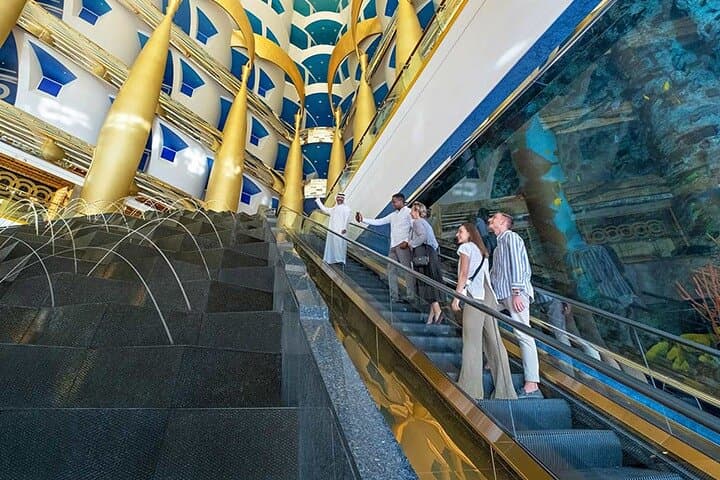
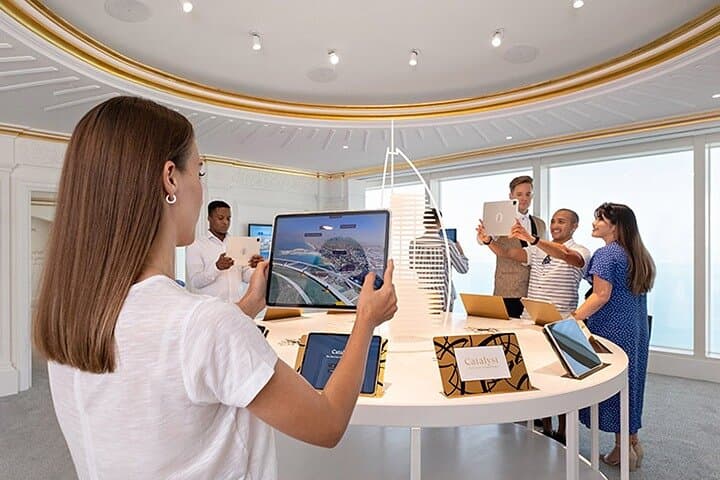
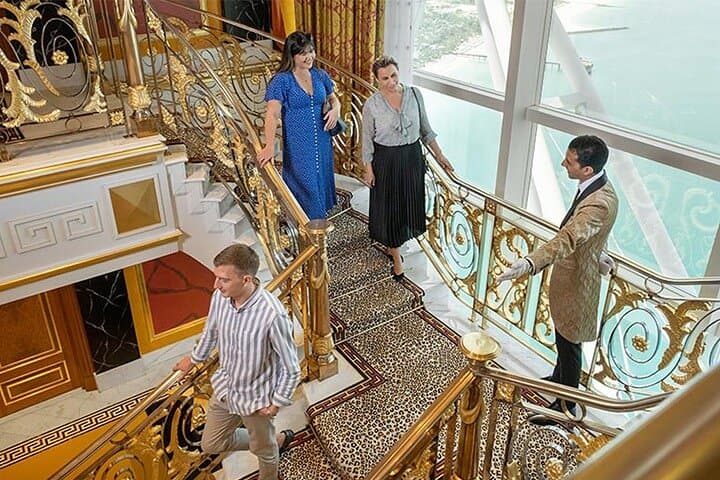
The 90-minute butler-guided tour traces the story of a late-20th-century ambition: Sheikh Mohammed bin Rashid Al Maktoum commissioning an unmistakable landmark, British architect Tom Wright shaping the sail silhouette, and teams erecting the hotel on an artificial island completed in 1999. Inside, a 180-meter atrium opens vertically, and curated digital exhibits map original architectural drawings and design decisions. Time in the Royal Suite and Experience Suite feels staged for capture—gilded finishes, layered textiles, and lighting calibrated for photographs.
Beyond the décor, the tour surfaces Dubai’s rapid urban evolution, showing how coastal engineering and luxury tourism reshaped a fishing coastline into a global destination. Cultural cues—respectful dress, quiet in private areas, and deference to staff—frame the visit as both spectacle and protocol.
Practical guidance: the tour is wheelchair accessible but controlled by security, so carry a photo ID and your mobile ticket. Photography is encouraged in public areas but restricted in some staff or private sections. Expect security screening and a steady pace—wear comfortable shoes and aim for morning or late-afternoon slots to avoid midday heat when moving between outdoor viewpoints. The experience is polished, scripted, and ideal for visitors who want a concise insider view of one of Dubai’s most photographed structures.
easy.
1–1.5 hours.
Suitable for all fitness levels; involves short walks and some standing
Yes — this guided tour is open to non-residents with a booked ticket; bring photo ID and your mobile ticket.
Yes — the site is wheelchair and stroller accessible; inform the operator of special requirements when booking.
Photography is permitted in most public areas, but some private or staff-only zones restrict images — follow posted signs.
For a full refund, cancel at least 24 hours before the scheduled departure time per the standard policy.
Designed by Tom Wright and opened in 1999, Burj Al Arab was built on an artificial island commissioned by Dubai’s rulers to create a global architectural icon.
The hotel and surrounding developments emphasize water and energy management in a desert environment; visitors are encouraged to minimize waste, follow staff guidance on restricted areas, and respect fragile coastal habitats.
Arabian Vista Tourism LLC operates guided outdoor trips and adventures with an emphasis on safety, stewardship, and memorable experiences.
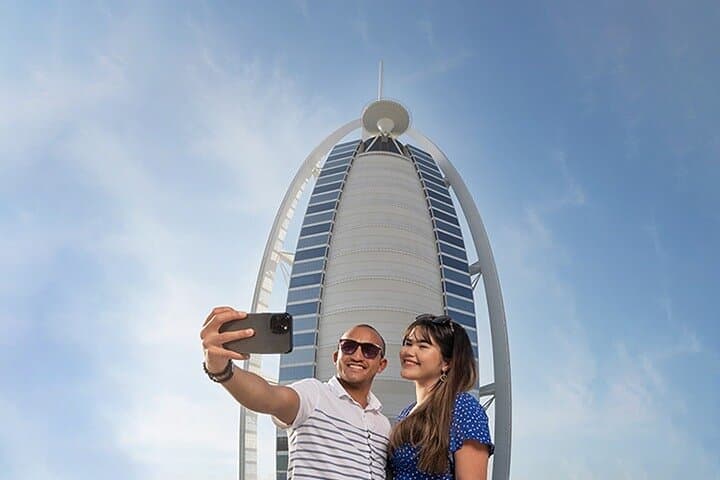
A pale morning light cuts across the Persian Gulf as you step from the private bridge onto the crescent island that holds Burj Al Arab. The hotel’s gleaming white curve rises like a sculpted sail above Jumeirah’s shoreline, its glass and gold interiors promising excess and precision in equal measure.
A pale morning light cuts across the Persian Gulf as you step from the private bridge onto the crescent island that holds Burj Al Arab. The hotel’s gleaming white curve rises like a sculpted sail above Jumeirah’s shoreline, its glass and gold interiors promising excess and precision in equal measure.
The 90-minute butler-guided tour traces the story of a late-20th-century ambition: Sheikh Mohammed bin Rashid Al Maktoum commissioning an unmistakable landmark, British architect Tom Wright shaping the sail silhouette, and teams erecting the hotel on an artificial island completed in 1999. Inside, a 180-meter atrium opens vertically, and curated digital exhibits map original architectural drawings and design decisions. Time in the Royal Suite and Experience Suite feels staged for capture—gilded finishes, layered textiles, and lighting calibrated for photographs.
Beyond the décor, the tour surfaces Dubai’s rapid urban evolution, showing how coastal engineering and luxury tourism reshaped a fishing coastline into a global destination. Cultural cues—respectful dress, quiet in private areas, and deference to staff—frame the visit as both spectacle and protocol.
Practical guidance: the tour is wheelchair accessible but controlled by security, so carry a photo ID and your mobile ticket. Photography is encouraged in public areas but restricted in some staff or private sections. Expect security screening and a steady pace—wear comfortable shoes and aim for morning or late-afternoon slots to avoid midday heat when moving between outdoor viewpoints. The experience is polished, scripted, and ideal for visitors who want a concise insider view of one of Dubai’s most photographed structures.