THE ADVENTURE COLLECTIVE® · Independent discovery and booking for outdoor travel

Explore the Burj Al Arab’s gilded interiors on a focused 90-minute tour that visits the Experience and Royal Suites. Expect guided viewpoints, a strict dress code, and quick-moving access to the hotel’s most photographed rooms.
Explore the Burj Al Arab’s gilded interiors on a focused 90-minute tour that visits the Experience and Royal Suites. Expect guided viewpoints, a strict dress code, and quick-moving access to the hotel’s most photographed rooms.
You step through gold-lipped doors and the air changes: cool, conditioned, and threaded with the faint salt of the nearby Gulf. Light arcs across marble staircases, carpets hush footsteps, and the atrium stretches like a modern canyon of glass and gilding. For 90 minutes the Burj Al Arab’s interiors take center stage—an architectural gesture that turns hospitality into performance.
Verified experiences and guided adventures in the surrounding area.
Operated by Booketto DMC · Dubai, Dubai
You step through gold-lipped doors and the air changes: cool, conditioned, and threaded with the faint salt of the nearby Gulf. Light arcs across marble staircases, carpets hush footsteps, and the atrium stretches like a modern canyon of glass and gilding. For 90 minutes the Burj Al Arab’s interiors take center stage—an architectural gesture that turns hospitality into performance.
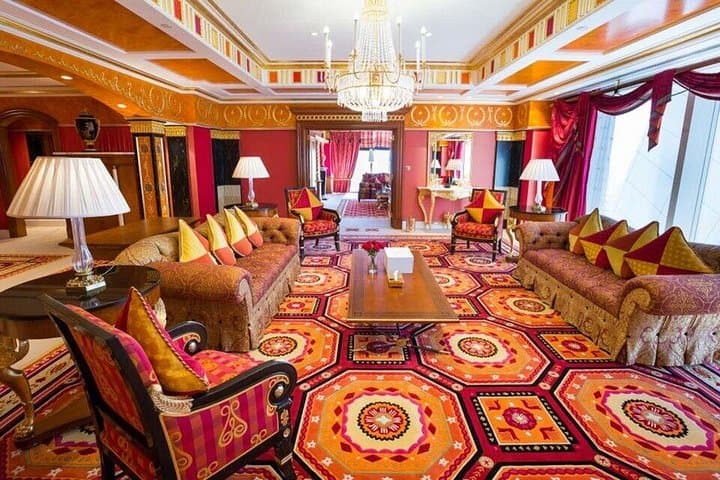
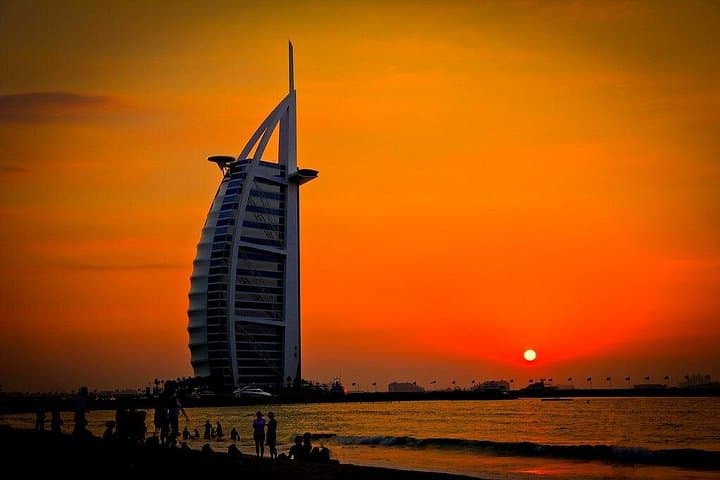
Built on a man-made island and rising to 321 meters, the hotel was conceived to evoke a sailing dhow cutting the water off Jumeirah. Opened in the late 1990s as a new image of Dubai’s global ambitions, its Royal and Experience Suites map a kind of domestic theater—sumptuous fabrics, sweeping views, and design details that reference local craft alongside international luxury.
The tour moves at a brisk, curated pace: public atrium viewpoints, selected suite interiors, and contextual histories about its construction and role in Dubai’s development. Photography rules and an age policy shape logistics—dress smart-casual, bring ID, and expect guided stops rather than free-roam access.
Practical guidance: arrive 15–20 minutes early to clear security, keep photography to phones unless otherwise permitted, and plan transport—parking and public transit options are nearby but pick-up can simplify arrival. The experience is accessible to most visitors; it’s more about observation than exertion, making it suitable for families (children under 16 must be accompanied) and travelers who want a concise, insider view of one of Dubai’s most discussed buildings.
easy.
1.5 hours (90 minutes).
Minimal fitness required; able to stand and walk short distances over about 90 minutes.
Personal phone photography is generally allowed, but professional cameras, tripods, and flash are prohibited—follow staff instructions at each stop.
Yes, but anyone under 16 must be accompanied by a full-paying adult; infants are expected to sit on an adult’s lap.
Yes—smart/casual attire is required. Tailored shorts are acceptable; beachwear and overly casual items may be refused.
Full refunds are available if you cancel at least 24 hours before the scheduled departure time; check your booking for specific terms.
Constructed on an artificial island and opened in the late 1990s, Burj Al Arab was designed to symbolize Dubai’s leap into global luxury hospitality and is built to evoke a traditional dhow’s sail.
Coastal development has environmental impacts; visitors can reduce footprint by using public transit or shuttle services and by following property rules on waste and protected areas.
Booketto DMC operates guided outdoor trips and adventures with an emphasis on safety, stewardship, and memorable experiences.
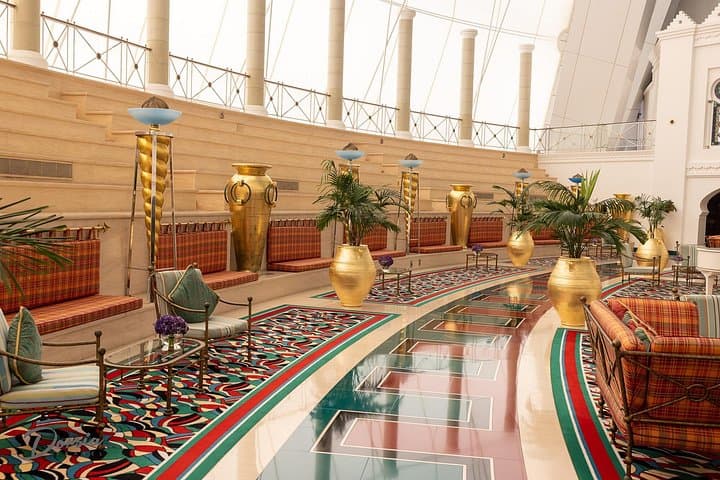
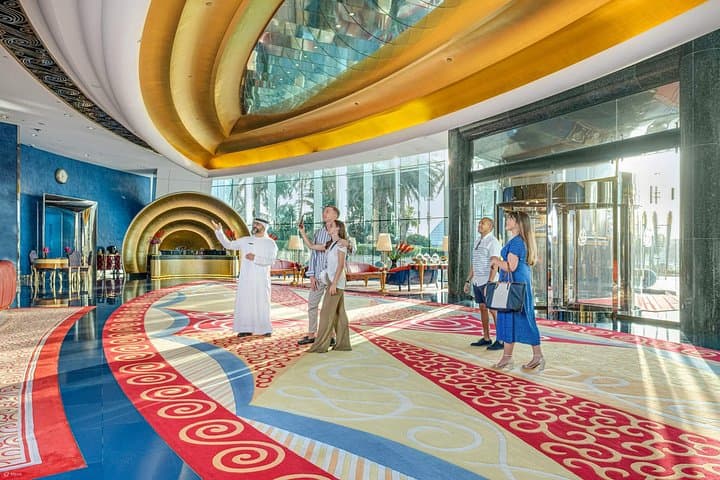
You step through gold-lipped doors and the air changes: cool, conditioned, and threaded with the faint salt of the nearby Gulf. Light arcs across marble staircases, carpets hush footsteps, and the atrium stretches like a modern canyon of glass and gilding. For 90 minutes the Burj Al Arab’s interiors take center stage—an architectural gesture that turns hospitality into performance.
You step through gold-lipped doors and the air changes: cool, conditioned, and threaded with the faint salt of the nearby Gulf. Light arcs across marble staircases, carpets hush footsteps, and the atrium stretches like a modern canyon of glass and gilding. For 90 minutes the Burj Al Arab’s interiors take center stage—an architectural gesture that turns hospitality into performance.
Built on a man-made island and rising to 321 meters, the hotel was conceived to evoke a sailing dhow cutting the water off Jumeirah. Opened in the late 1990s as a new image of Dubai’s global ambitions, its Royal and Experience Suites map a kind of domestic theater—sumptuous fabrics, sweeping views, and design details that reference local craft alongside international luxury.
The tour moves at a brisk, curated pace: public atrium viewpoints, selected suite interiors, and contextual histories about its construction and role in Dubai’s development. Photography rules and an age policy shape logistics—dress smart-casual, bring ID, and expect guided stops rather than free-roam access.
Practical guidance: arrive 15–20 minutes early to clear security, keep photography to phones unless otherwise permitted, and plan transport—parking and public transit options are nearby but pick-up can simplify arrival. The experience is accessible to most visitors; it’s more about observation than exertion, making it suitable for families (children under 16 must be accompanied) and travelers who want a concise, insider view of one of Dubai’s most discussed buildings.