THE ADVENTURE COLLECTIVE® · Independent discovery and booking for outdoor travel

Tour the rarely opened Bruckmann Brewery complex in Cincinnati and descend into 19th‑century underground lagering cellars. This 90‑minute guided visit combines industrial history, architecture, and a local beer tasting.
Tour the rarely opened Bruckmann Brewery complex in Cincinnati and descend into 19th‑century underground lagering cellars. This 90‑minute guided visit combines industrial history, architecture, and a local beer tasting.
A low winter light slides down the tall Worthmore smokestack as you step through iron gates into a block of brick, timber, and history. Inside, the air shifts from city noise to the cool hush of underground lagering cellars; the buildings feel like a small industrial village that still remembers the rhythm of boilers and barrels.
Verified experiences and guided adventures in the surrounding area.
Operated by Brewing Heritage Trail · Cincinnati, Ohio
A low winter light slides down the tall Worthmore smokestack as you step through iron gates into a block of brick, timber, and history. Inside, the air shifts from city noise to the cool hush of underground lagering cellars; the buildings feel like a small industrial village that still remembers the rhythm of boilers and barrels.
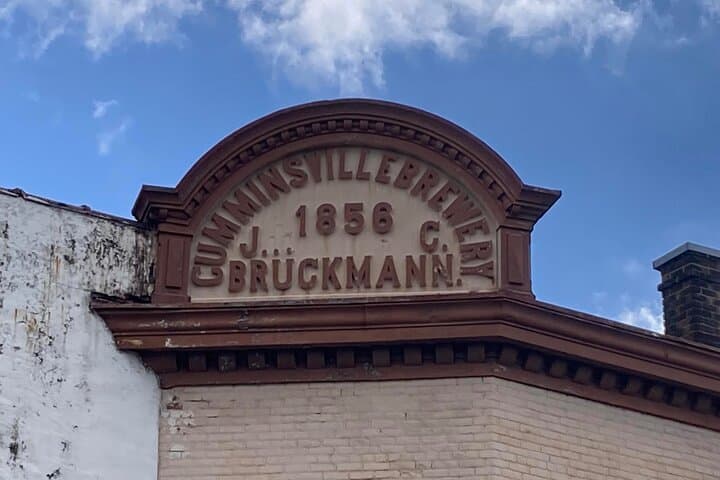
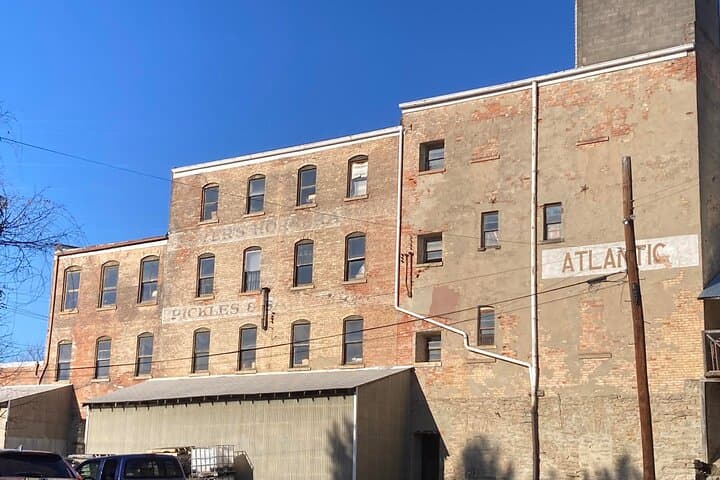
The Bruckmann Brewery began brewing on this Cincinnati site in 1856 and operated for almost a century. The complex preserves a rare set of original brewery components — brewhouse, malthouse, bottling works, stables and the subterranean cellars used for cold storage. The architecture reflects mid-19th‑century industrial masonry and the local German-American brewing culture that shaped Cincinnati's food and drink traditions, including later adaptive uses like a winery and food production by Worthmore.
Geology plays a quiet role: the cellars exploit Cincinnati’s stable clay and sandstone layers to maintain cool temperatures before mechanical refrigeration. Culturally, the site ties to immigrant labor, urban manufacturing, and the city’s evolving foodways.
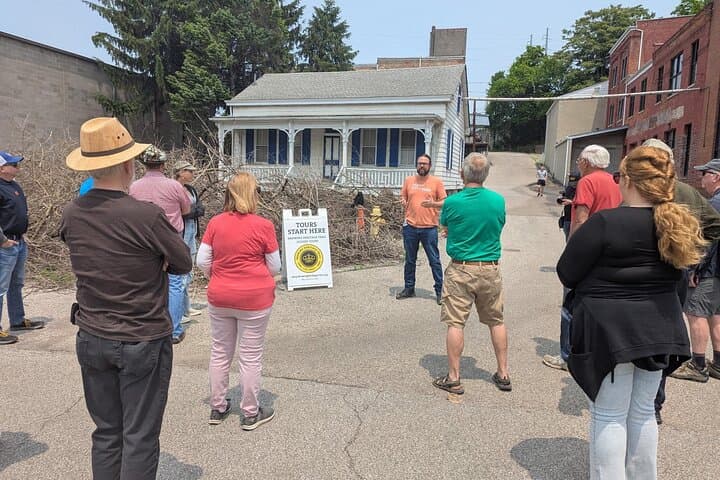
Practical guidance: tours run 90 minutes, limited to about 20 people, and include interior access to fragile spaces and stairs into cellars. Wear sturdy, closed-toe shoes and bring a light jacket for the cool underground rooms. A beer is included for adult guests on drinking tours; bring ID. The site is partly restored but historic surfaces and uneven footing mean the tour isn’t suited to those with serious spinal or cardiac issues or to pregnant visitors. Arrive at the back entrance off Streng Street and follow Brewing Heritage Trail signs; public transit options are nearby. The experience is part industrial archaeology and neighborhood storytelling — best for anyone curious about the mechanics and human stories behind 19th‑century brewing.
easy.
1–1.5 hours.
Moderate mobility required—able to climb stairs and stand for extended periods
The guided visit lasts about 90 minutes and covers multiple buildings and the lagering cellars.
The site includes stairs and uneven flooring; it’s not recommended for those with serious spinal injuries or limited mobility.
A beer is included with adult drinking-tour tickets; bring valid photo ID.
Check-in is at the back of the former brewery complex off Streng Street — follow Brewing Heritage Trail signs; there is nearby public transit as well.
Brewing began on this site in 1856 and continued nearly 100 years; the complex later housed a winery and food production before preservation efforts.
Local non-profit preservation work stabilized structures and cellars; visitors are asked to stay on tour routes to protect fragile fabric and support ongoing restoration.
Brewing Heritage Trail operates guided outdoor trips and adventures with an emphasis on safety, stewardship, and memorable experiences.
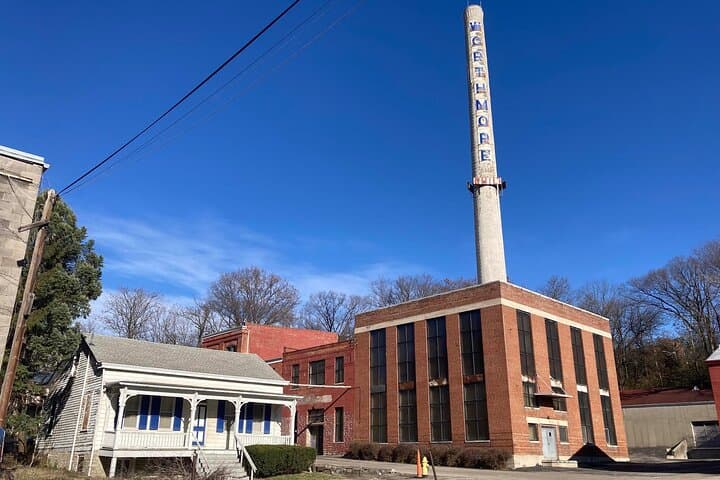
A low winter light slides down the tall Worthmore smokestack as you step through iron gates into a block of brick, timber, and history. Inside, the air shifts from city noise to the cool hush of underground lagering cellars; the buildings feel like a small industrial village that still remembers the rhythm of boilers and barrels.
A low winter light slides down the tall Worthmore smokestack as you step through iron gates into a block of brick, timber, and history. Inside, the air shifts from city noise to the cool hush of underground lagering cellars; the buildings feel like a small industrial village that still remembers the rhythm of boilers and barrels.
The Bruckmann Brewery began brewing on this Cincinnati site in 1856 and operated for almost a century. The complex preserves a rare set of original brewery components — brewhouse, malthouse, bottling works, stables and the subterranean cellars used for cold storage. The architecture reflects mid-19th‑century industrial masonry and the local German-American brewing culture that shaped Cincinnati's food and drink traditions, including later adaptive uses like a winery and food production by Worthmore.
Geology plays a quiet role: the cellars exploit Cincinnati’s stable clay and sandstone layers to maintain cool temperatures before mechanical refrigeration. Culturally, the site ties to immigrant labor, urban manufacturing, and the city’s evolving foodways.
Practical guidance: tours run 90 minutes, limited to about 20 people, and include interior access to fragile spaces and stairs into cellars. Wear sturdy, closed-toe shoes and bring a light jacket for the cool underground rooms. A beer is included for adult guests on drinking tours; bring ID. The site is partly restored but historic surfaces and uneven footing mean the tour isn’t suited to those with serious spinal or cardiac issues or to pregnant visitors. Arrive at the back entrance off Streng Street and follow Brewing Heritage Trail signs; public transit options are nearby. The experience is part industrial archaeology and neighborhood storytelling — best for anyone curious about the mechanics and human stories behind 19th‑century brewing.