THE ADVENTURE COLLECTIVE® · Independent discovery and booking for outdoor travel

Explore Britain’s twentieth-century conflicts in two connected experiences: the Imperial War Museum’s sweeping exhibits and the preserved intimacy of the Churchill War Rooms. This guided tour marries broad context with the claustrophobic reality of wartime command.
Explore Britain’s twentieth-century conflicts in two connected experiences: the Imperial War Museum’s sweeping exhibits and the preserved intimacy of the Churchill War Rooms. This guided tour marries broad context with the claustrophobic reality of wartime command.
You step off Lambeth Road into a building that keeps its voice low — hushed galleries, military boots and the clipped cadence of a guide setting the frame. The Imperial War Museum opens with wide cases and human-scale stories from 1914 onward; later the group descends into the Churchill War Rooms, an underground grid of narrow corridors, map tables and the dark, electric hush of a wartime command center.
Verified experiences and guided adventures in the surrounding area.
Operated by How to do History · London, England
You step off Lambeth Road into a building that keeps its voice low — hushed galleries, military boots and the clipped cadence of a guide setting the frame. The Imperial War Museum opens with wide cases and human-scale stories from 1914 onward; later the group descends into the Churchill War Rooms, an underground grid of narrow corridors, map tables and the dark, electric hush of a wartime command center.
The two sites together trace Britain’s twentieth‑century conflicts: the IWM shows material culture and civilian experience across world wars, while the Cabinet War Rooms preserve the intact nerve center used by Churchill and his chiefs from 1940–45. Geologically, the War Rooms sit beneath central London’s compacted clay and fill — a reminder that modern history often lives underfoot, in basements and bunkers carved from the city.
Culturally the tour is about memory-making: diaries, propaganda, and decisions that shaped the home front and battlefield. Local insight: the walk between sites threads through government districts and small parkland — bring attention to plaques and war memorials that flank the route.
Practical guidance: the guided itinerary runs about three hours with transport between sites included. Expect stairs, narrow passages and standing; the War Rooms preserve original fittings, so lighting is low and spaces are confined. Book mobile tickets in advance to avoid queues, arrive by tube (Lambeth North or Westminster) and allow time for security checks. Comfortable shoes, layered clothing and a respectful camera policy will make the visit smoother. For history enthusiasts the combined visit balances broad context with intimate, preserved environments — a close, often sobering look at government, war and the people who lived it.
easy.
3 hours.
Able to stand and walk for up to three hours; must manage stairs and some uneven surfaces.
The guided experience is approximately three hours total, with guided time at the IWM and around 75–90 minutes in the Churchill War Rooms.
Accessibility is limited: the War Rooms are underground with stairs and narrow passages; contact the operator ahead for specific accommodations or alternative arrangements.
Photography policies vary by gallery—non‑flash photography is often allowed in museum spaces but restricted in sensitive areas; follow signs and staff instructions.
Yes, admission to both the Imperial War Museum site and the Churchill War Rooms is included in the booking price as stated in the itinerary.
The Imperial War Museum was founded after World War I to document conflicts involving Britain; the Cabinet War Rooms were an operational underground HQ used by Churchill during WWII.
Both sites prioritize artifact preservation—avoid touching exhibits and follow photography rules; visits support conservation through admission fees and donations.
How to do History operates guided outdoor trips and adventures with an emphasis on safety, stewardship, and memorable experiences.
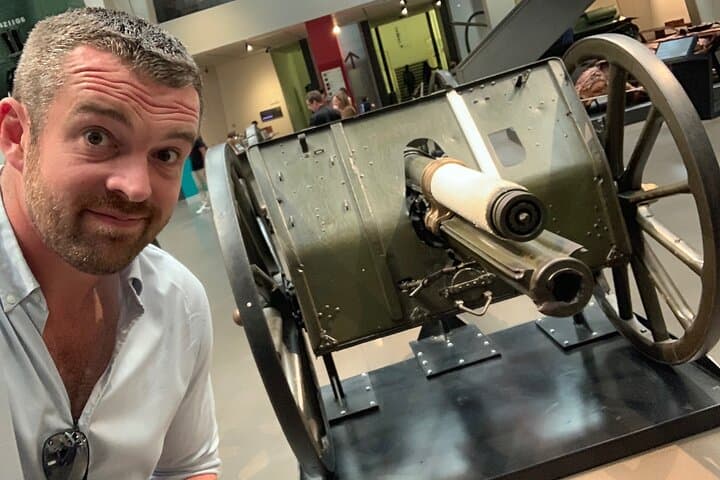
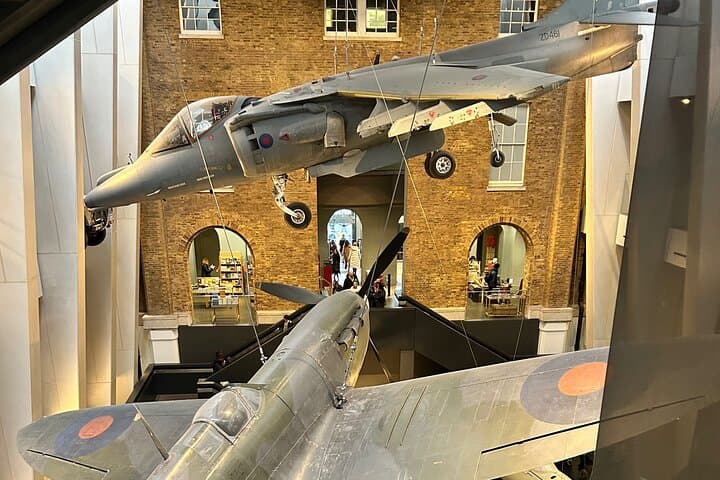
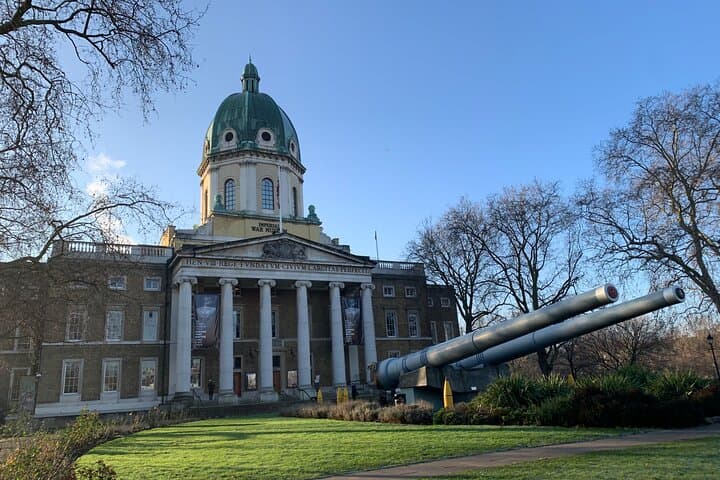
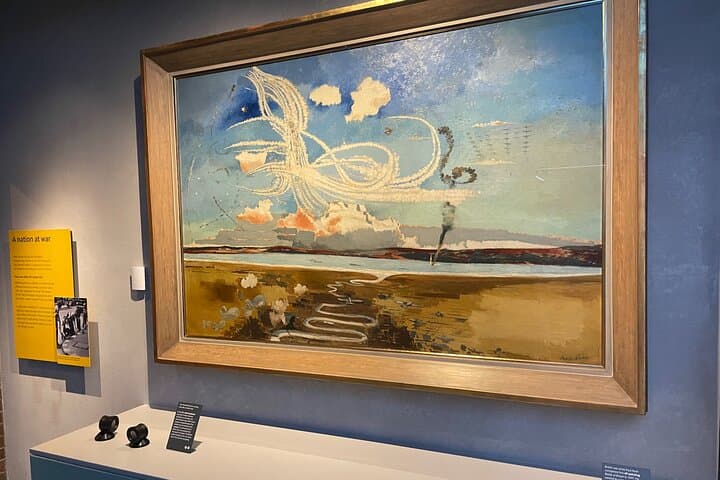
You step off Lambeth Road into a building that keeps its voice low — hushed galleries, military boots and the clipped cadence of a guide setting the frame. The Imperial War Museum opens with wide cases and human-scale stories from 1914 onward; later the group descends into the Churchill War Rooms, an underground grid of narrow corridors, map tables and the dark, electric hush of a wartime command center.
You step off Lambeth Road into a building that keeps its voice low — hushed galleries, military boots and the clipped cadence of a guide setting the frame. The Imperial War Museum opens with wide cases and human-scale stories from 1914 onward; later the group descends into the Churchill War Rooms, an underground grid of narrow corridors, map tables and the dark, electric hush of a wartime command center.
The two sites together trace Britain’s twentieth‑century conflicts: the IWM shows material culture and civilian experience across world wars, while the Cabinet War Rooms preserve the intact nerve center used by Churchill and his chiefs from 1940–45. Geologically, the War Rooms sit beneath central London’s compacted clay and fill — a reminder that modern history often lives underfoot, in basements and bunkers carved from the city.
Culturally the tour is about memory-making: diaries, propaganda, and decisions that shaped the home front and battlefield. Local insight: the walk between sites threads through government districts and small parkland — bring attention to plaques and war memorials that flank the route.
Practical guidance: the guided itinerary runs about three hours with transport between sites included. Expect stairs, narrow passages and standing; the War Rooms preserve original fittings, so lighting is low and spaces are confined. Book mobile tickets in advance to avoid queues, arrive by tube (Lambeth North or Westminster) and allow time for security checks. Comfortable shoes, layered clothing and a respectful camera policy will make the visit smoother. For history enthusiasts the combined visit balances broad context with intimate, preserved environments — a close, often sobering look at government, war and the people who lived it.