THE ADVENTURE COLLECTIVE® · Independent discovery and booking for outdoor travel

Visit Bob Marley’s former Kingston home on a private day trip from Falmouth. This guided museum experience combines preserved living spaces, Marley’s recording studio and rare memorabilia with practical advice for navigating Kingston’s urban climate.
Visit Bob Marley’s former Kingston home on a private day trip from Falmouth. This guided museum experience combines preserved living spaces, Marley’s recording studio and rare memorabilia with practical advice for navigating Kingston’s urban climate.
You step off an air-conditioned van onto a narrow Kingston street and the city exhales reggae—low rhythms, the smell of frying bake, and the distant rise of the Blue Mountains to the east. The museum’s faded yellow façade and guarded gate mark the living rooms and studio where Bob Marley walked, wrote and recorded.
Verified experiences and guided adventures in the surrounding area.
Operated by El Sol Vida · Kingston, Kingston and St. Andrew
You step off an air-conditioned van onto a narrow Kingston street and the city exhales reggae—low rhythms, the smell of frying bake, and the distant rise of the Blue Mountains to the east. The museum’s faded yellow façade and guarded gate mark the living rooms and studio where Bob Marley walked, wrote and recorded.
The house at 56 Hope Road became a museum after Marley’s death in 1981; inside, rooms are kept as they were, with a life-size hologram from the 1978 One Love Peace Concert, his Grammy Lifetime Achievement award, the personal studio and a bedroom that reads like a timeline of his career. The displays—gold and platinum records, stage costumes and memorabilia from the I-Threes—trace Jamaica’s late-20th-century cultural surge and the global reach of reggae.
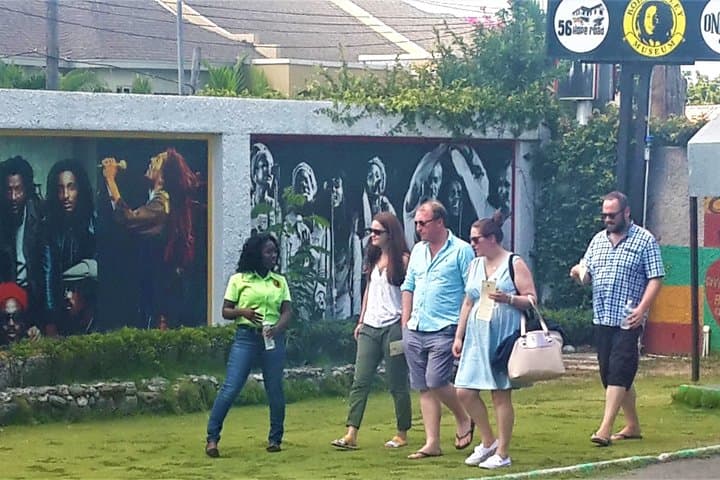
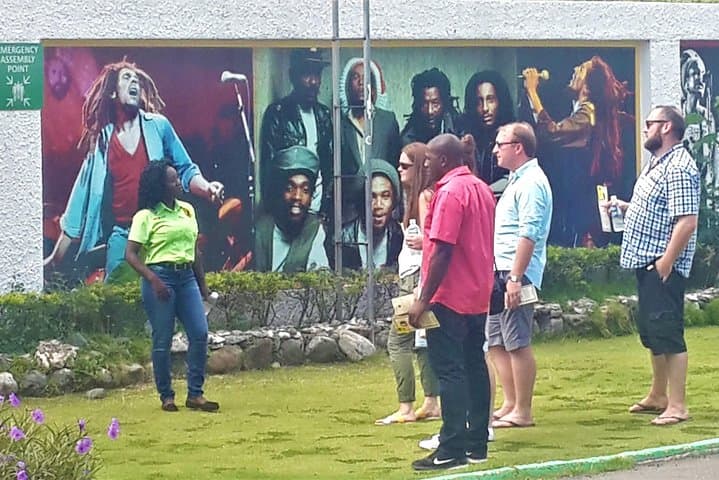
Kingston itself sits on a coastal plain with the Blue Mountains pressing in from the east, a landscape that shaped local rhythms and the coffee economy. The tour often runs as a private, guided day trip from Falmouth, with hotel pickup, admission included and roughly a 90-minute guided visit in the museum. Expect urban walking across uneven pavement, short staircases inside, and heat—Jamaica’s coastal climate pushes humidity during summer and into fall.
Practical guidance: carry water and sunscreen, wear comfortable walking shoes, and bring small Jamaican currency for souvenirs. Photography rules vary—ask the guide before taking close-up shots of exhibits. If you’re curious about Jamaican music history, this visit condenses biography, social context and studio lore into a single, manageable day.
easy.
9 hours.
Suitable for all fitness levels; involves short urban walks and standing during the guided museum tour.
Yes—this tour includes all admission fees to the museum as stated in the itinerary.
The guided museum portion is approximately 90 minutes, with total tour time around nine hours including travel and hotel transfers.
Photography rules vary by exhibit; your guide will advise which areas allow photos—ask before using flash or taking close shots of artifacts.
The museum has some steps and tight rooms; while the tour is rated easy, travelers with mobility concerns should contact the operator ahead to discuss accommodations and pickup logistics.
The house at 56 Hope Road was Bob Marley’s longtime residence and later converted into a museum that preserves his studio, personal items and artifacts documenting reggae’s rise.
The museum is both a cultural preservation effort and a tourist site—visitors are encouraged to respect exhibits, minimize single-use plastics and support local conservation-focused vendors.
El Sol Vida operates guided outdoor trips and adventures with an emphasis on safety, stewardship, and memorable experiences.
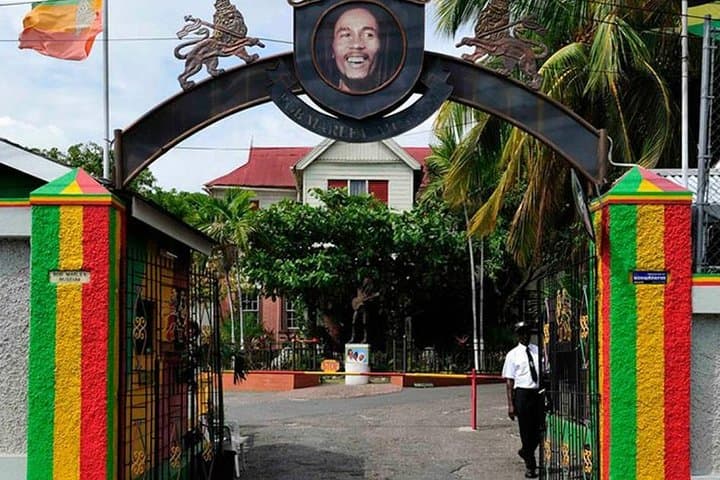
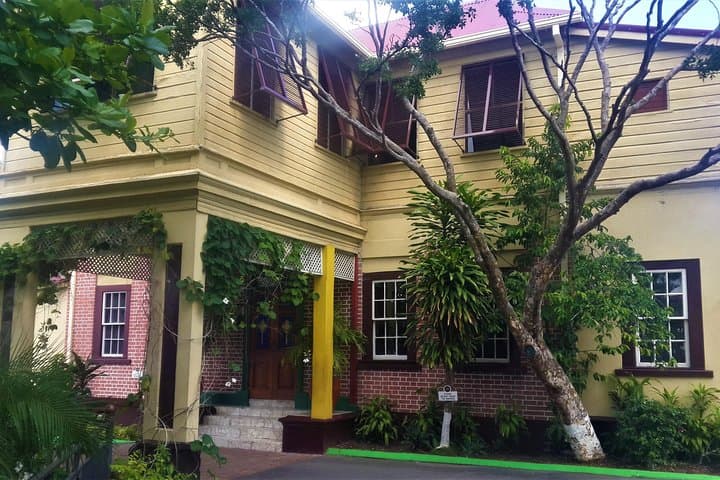
You step off an air-conditioned van onto a narrow Kingston street and the city exhales reggae—low rhythms, the smell of frying bake, and the distant rise of the Blue Mountains to the east. The museum’s faded yellow façade and guarded gate mark the living rooms and studio where Bob Marley walked, wrote and recorded.
You step off an air-conditioned van onto a narrow Kingston street and the city exhales reggae—low rhythms, the smell of frying bake, and the distant rise of the Blue Mountains to the east. The museum’s faded yellow façade and guarded gate mark the living rooms and studio where Bob Marley walked, wrote and recorded.
The house at 56 Hope Road became a museum after Marley’s death in 1981; inside, rooms are kept as they were, with a life-size hologram from the 1978 One Love Peace Concert, his Grammy Lifetime Achievement award, the personal studio and a bedroom that reads like a timeline of his career. The displays—gold and platinum records, stage costumes and memorabilia from the I-Threes—trace Jamaica’s late-20th-century cultural surge and the global reach of reggae.
Kingston itself sits on a coastal plain with the Blue Mountains pressing in from the east, a landscape that shaped local rhythms and the coffee economy. The tour often runs as a private, guided day trip from Falmouth, with hotel pickup, admission included and roughly a 90-minute guided visit in the museum. Expect urban walking across uneven pavement, short staircases inside, and heat—Jamaica’s coastal climate pushes humidity during summer and into fall.
Practical guidance: carry water and sunscreen, wear comfortable walking shoes, and bring small Jamaican currency for souvenirs. Photography rules vary—ask the guide before taking close-up shots of exhibits. If you’re curious about Jamaican music history, this visit condenses biography, social context and studio lore into a single, manageable day.