THE ADVENTURE COLLECTIVE® · Independent discovery and booking for outdoor travel

Walk beneath a 50‑metre-high mesh dome through rainforest gullies and a waterfall gorge at Birds of Eden, the world's largest free-flight aviary. This self-guided sanctuary highlights 220 species and offers accessible, all-weather exploration for families and wildlife enthusiasts.
Walk beneath a 50‑metre-high mesh dome through rainforest gullies and a waterfall gorge at Birds of Eden, the world's largest free-flight aviary. This self-guided sanctuary highlights 220 species and offers accessible, all-weather exploration for families and wildlife enthusiasts.
You step off the path and under a mesh sky: a 50‑metre-high dome that hushes traffic and lets wings set the rhythm. The walkway threads 1.2 km through partly forested ground, crosses a deep gorge and finishes near a waterfall; birds slice through the column of air above you, daring you to keep up with their bright calls.
Verified experiences and guided adventures in the surrounding area.
Operated by Monkeyland · Plettenberg Bay, Western Cape
You step off the path and under a mesh sky: a 50‑metre-high dome that hushes traffic and lets wings set the rhythm. The walkway threads 1.2 km through partly forested ground, crosses a deep gorge and finishes near a waterfall; birds slice through the column of air above you, daring you to keep up with their bright calls.
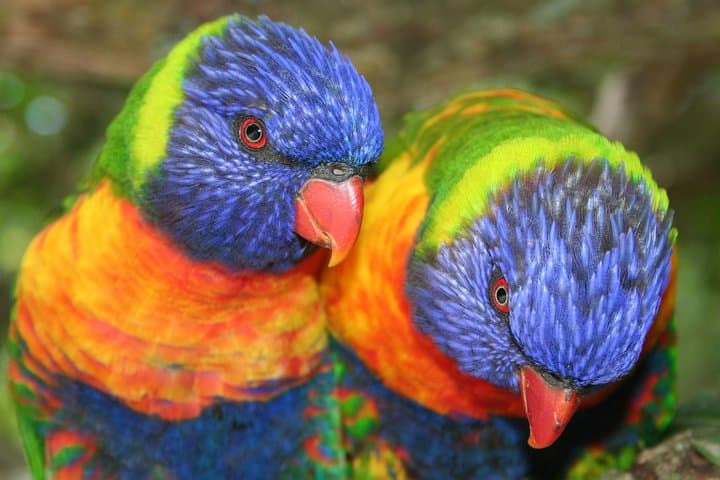
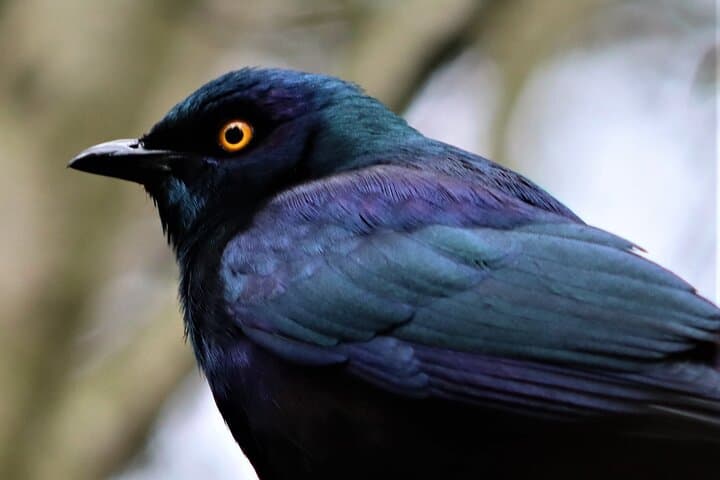
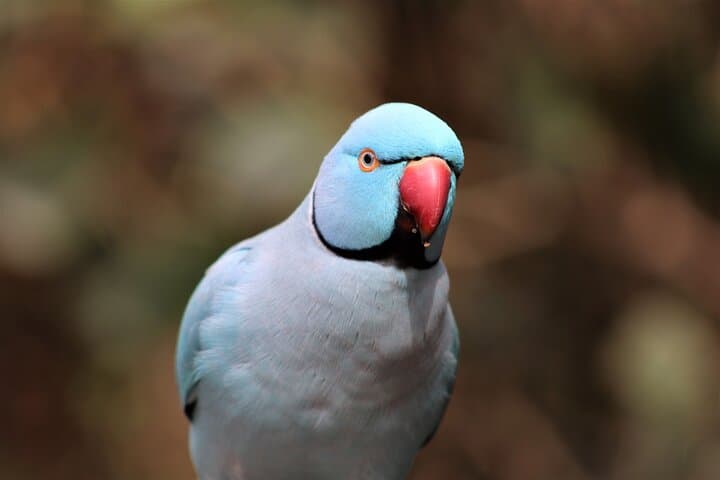
The aviary opened as a sanctuary for previously caged parrots and mixed-species flocks, and has grown into a managed habitat housing some 220 species and over 3,500 birds. Geologically, the site sits on coastal foothills above Plettenberg Bay, where sandstone gullies feed the gorge below and coastal fynbos colors the perimeter. Culturally, the reserve showcases indigenous species such as the Knysna lourie and a variety of turacos and cranes, making it a living classroom for regional avifauna.
Practical details are simple: plan 1–3 hours for a self-guided visit (guided tours available at no extra cost). Surfaces vary—boardwalks, steps and compacted earth—so comfortable closed-toe shoes are sensible. The site is wheelchair-accessible with assistance options for uneven sections. Photography is welcome but GoPro extenders and selfie sticks are not permitted; respect the birds by keeping noise low and distances respectful.
Visit in the cool of morning for active birds and softer light; midweek mornings are quieter. Combine the ticket with nearby Monkeyland or Jukani for a full-day wildlife circuit. Bring a small daypack with water, binoculars and a light jacket—the aviary is open in all weather, and the mesh canopy means you’ll feel the elements. This is less a zoo than a reclaimed flying space—nature with a second chance, and a close, responsible way to watch it unfold.
easy.
1–3 hours.
Suitable for most fitness levels; involves walking up to 1.2 km with some steps and mild elevation change
Self-guided visits typically take 1–2 hours; allow up to 3 hours if joining a guided tour or combining with nearby attractions.
Guided tours are available at no extra charge—ask at reception or check availability on arrival.
Yes—paths are generally accessible and the venue offers a wheelchair for guests with mobility difficulties; uneven sections may require assistance.
Yes—strollers are permitted and specialized infant seats are available; children must be accompanied by an adult.
Started as a sanctuary for previously caged birds, the aviary expanded into a single-dome habitat designed to encourage natural flying and social behavior.
The centre emphasizes rehabilitation and education; visitors are asked to follow rules that minimize disturbance and support long-term welfare of resident birds.
Monkeyland operates guided outdoor trips and adventures with an emphasis on safety, stewardship, and memorable experiences.
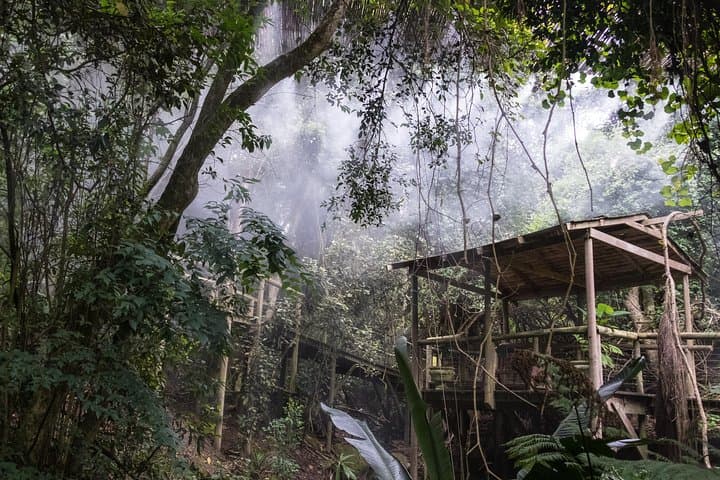
You step off the path and under a mesh sky: a 50‑metre-high dome that hushes traffic and lets wings set the rhythm. The walkway threads 1.2 km through partly forested ground, crosses a deep gorge and finishes near a waterfall; birds slice through the column of air above you, daring you to keep up with their bright calls.
You step off the path and under a mesh sky: a 50‑metre-high dome that hushes traffic and lets wings set the rhythm. The walkway threads 1.2 km through partly forested ground, crosses a deep gorge and finishes near a waterfall; birds slice through the column of air above you, daring you to keep up with their bright calls.
The aviary opened as a sanctuary for previously caged parrots and mixed-species flocks, and has grown into a managed habitat housing some 220 species and over 3,500 birds. Geologically, the site sits on coastal foothills above Plettenberg Bay, where sandstone gullies feed the gorge below and coastal fynbos colors the perimeter. Culturally, the reserve showcases indigenous species such as the Knysna lourie and a variety of turacos and cranes, making it a living classroom for regional avifauna.
Practical details are simple: plan 1–3 hours for a self-guided visit (guided tours available at no extra cost). Surfaces vary—boardwalks, steps and compacted earth—so comfortable closed-toe shoes are sensible. The site is wheelchair-accessible with assistance options for uneven sections. Photography is welcome but GoPro extenders and selfie sticks are not permitted; respect the birds by keeping noise low and distances respectful.
Visit in the cool of morning for active birds and softer light; midweek mornings are quieter. Combine the ticket with nearby Monkeyland or Jukani for a full-day wildlife circuit. Bring a small daypack with water, binoculars and a light jacket—the aviary is open in all weather, and the mesh canopy means you’ll feel the elements. This is less a zoo than a reclaimed flying space—nature with a second chance, and a close, responsible way to watch it unfold.