THE ADVENTURE COLLECTIVE® · Independent discovery and booking for outdoor travel

Walk through a restored Italian Villa and Victorian rooms at Belmont Mansion, where interpreters set the scene and self-guided exploration lets you linger. This guide covers history, hours, accessibility, and practical tips for making the most of a 60–120 minute visit.
Walk through a restored Italian Villa and Victorian rooms at Belmont Mansion, where interpreters set the scene and self-guided exploration lets you linger. This guide covers history, hours, accessibility, and practical tips for making the most of a 60–120 minute visit.
You step up the stone steps and the city noise fades; the mansion’s wide porch frames a room that still holds the hush of the 19th century. Inside, high ceilings and original millwork draw the eye while guides in period attire place objects — portraits, silver, carved furniture — into a human story rather than a display case.
Verified experiences and guided adventures in the surrounding area.
Operated by Belmont Mansion · Nashville, Tennessee
You step up the stone steps and the city noise fades; the mansion’s wide porch frames a room that still holds the hush of the 19th century. Inside, high ceilings and original millwork draw the eye while guides in period attire place objects — portraits, silver, carved furniture — into a human story rather than a display case.
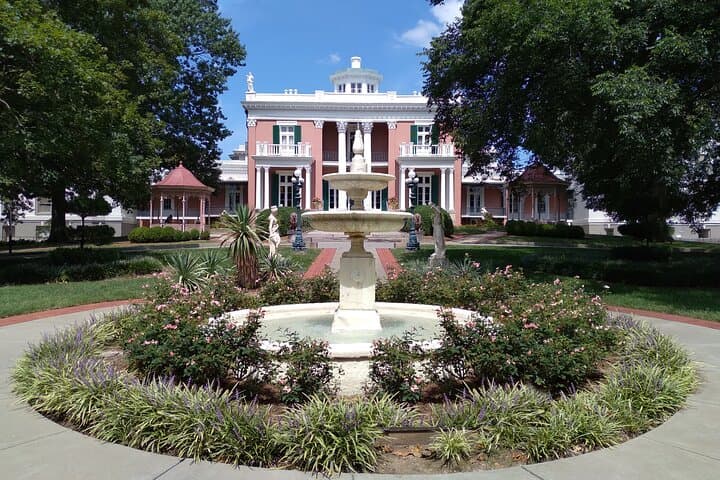
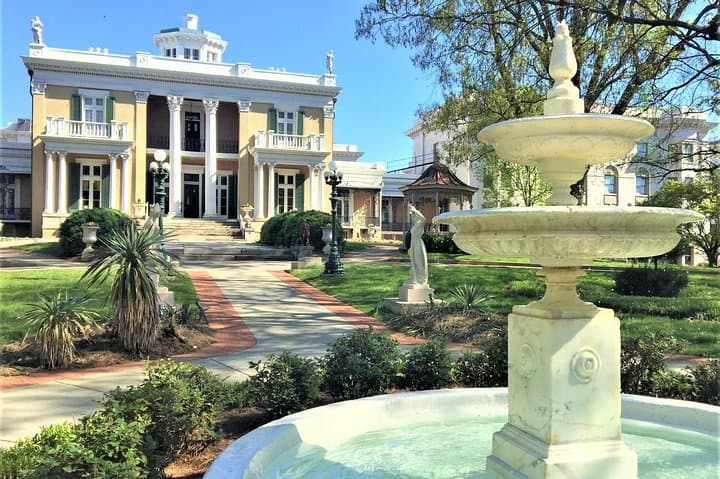
Belmont Mansion is one of Tennessee’s larger antebellum homes, completed in the mid-1800s and later integrated into Belmont University’s campus. The house reflects Italian Villa–style architecture and Victorian-era decorative arts; its story overlaps local Civil War history and the life of Adelicia Acklen, a key 19th-century figure in Nashville society. Geologically, the property sits on the rolling limestone terraces common to the Nashville basin, giving the grounds a firm, well-drained setting for the mansion’s formal rose garden and specimen trees.
The site balances quiet interpretation and public access: your visit begins with an interpreter-led introduction, then becomes self-guided with stationed docents. Expect a focused museum of rooms preserved with original furnishings, an exhibit addressing enslaved, free, and immigrant labor, and a small museum shop. The rose garden and campus views offer an outdoor counterpoint — the landscape pushes you outward to linger before re-entering the house.
Practical tips: plan 60–120 minutes, arrive early (doors open at 10am, 11am Sundays; last admission 3:30pm), register your vehicle for free parking, and respect the no-commercial-photo policy without prior arrangement. Accessibility is available on the first floor; a video of the second floor is offered in the shop. Bring comfortable shoes, allow time for the gardens, and use quiet voices to preserve the interpretive experience.
easy.
60–120 minutes.
Suitable for all fitness levels; requires short walks and some standing.
General admission begins at 10:00am (11:00am Sundays) with last entry at 3:30pm; tickets are valid any time during regular hours on the reserved date.
The first floor is wheelchair accessible; the second-floor historic rooms are available via a video tour in the museum shop.
Personal, non-commercial photos are generally allowed without flash; no video, personal shoots, or publicity photos are permitted without prior arrangements and paid fees.
Free on-site parking is available; vehicle registration at the site is required—follow instructions on arrival or visit belmontmansion.com/visit for details.
Built in the mid-19th century and later incorporated into Belmont University, the mansion preserves period furnishings and tells stories tied to Nashville’s antebellum and postbellum eras, including the labor of enslaved and immigrant workers.
The mansion operates as a historic house museum with active preservation work; visitors help by staying on paths, avoiding flash photography, and supporting interpretive exhibits that responsibly present difficult histories.
Belmont Mansion operates guided outdoor trips and adventures with an emphasis on safety, stewardship, and memorable experiences.


You step up the stone steps and the city noise fades; the mansion’s wide porch frames a room that still holds the hush of the 19th century. Inside, high ceilings and original millwork draw the eye while guides in period attire place objects — portraits, silver, carved furniture — into a human story rather than a display case.
You step up the stone steps and the city noise fades; the mansion’s wide porch frames a room that still holds the hush of the 19th century. Inside, high ceilings and original millwork draw the eye while guides in period attire place objects — portraits, silver, carved furniture — into a human story rather than a display case.
Belmont Mansion is one of Tennessee’s larger antebellum homes, completed in the mid-1800s and later integrated into Belmont University’s campus. The house reflects Italian Villa–style architecture and Victorian-era decorative arts; its story overlaps local Civil War history and the life of Adelicia Acklen, a key 19th-century figure in Nashville society. Geologically, the property sits on the rolling limestone terraces common to the Nashville basin, giving the grounds a firm, well-drained setting for the mansion’s formal rose garden and specimen trees.
The site balances quiet interpretation and public access: your visit begins with an interpreter-led introduction, then becomes self-guided with stationed docents. Expect a focused museum of rooms preserved with original furnishings, an exhibit addressing enslaved, free, and immigrant labor, and a small museum shop. The rose garden and campus views offer an outdoor counterpoint — the landscape pushes you outward to linger before re-entering the house.
Practical tips: plan 60–120 minutes, arrive early (doors open at 10am, 11am Sundays; last admission 3:30pm), register your vehicle for free parking, and respect the no-commercial-photo policy without prior arrangement. Accessibility is available on the first floor; a video of the second floor is offered in the shop. Bring comfortable shoes, allow time for the gardens, and use quiet voices to preserve the interpretive experience.