THE ADVENTURE COLLECTIVE® · Independent discovery and booking for outdoor travel

Ride a Belfast black taxi through the city’s most charged public art. This 1.5–2 hour private tour covers Falls Road, Shankill Road and the Peace Wall with a local guide who blends eyewitness accounts, photos and political context.
Ride a Belfast black taxi through the city’s most charged public art. This 1.5–2 hour private tour covers Falls Road, Shankill Road and the Peace Wall with a local guide who blends eyewitness accounts, photos and political context.
You slide into a black taxi as rain skirts the windows and the city’s brick facades rush past — the driver-guide speaks with a local cadence, pointing to a wall that refuses to be ignored. The murals of West Belfast confront you: large faces, bold slogans, and painted scenes that demand questions.
Verified experiences and guided adventures in the surrounding area.
Operated by Giants Causeway Tours · Belfast, Northern Ireland
You slide into a black taxi as rain skirts the windows and the city’s brick facades rush past — the driver-guide speaks with a local cadence, pointing to a wall that refuses to be ignored. The murals of West Belfast confront you: large faces, bold slogans, and painted scenes that demand questions.
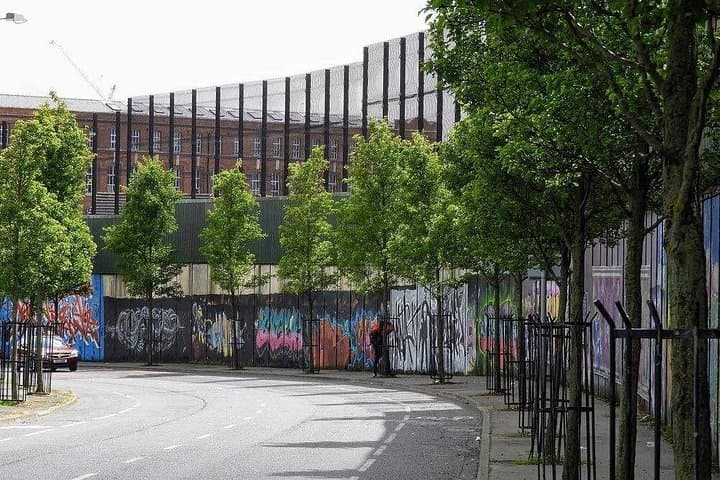
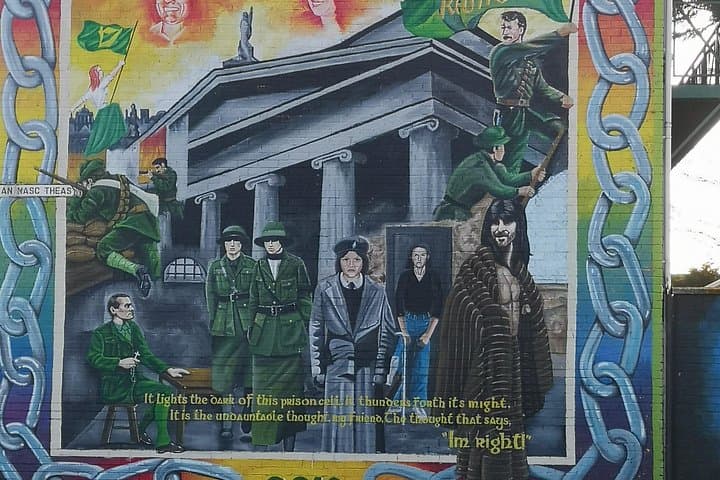
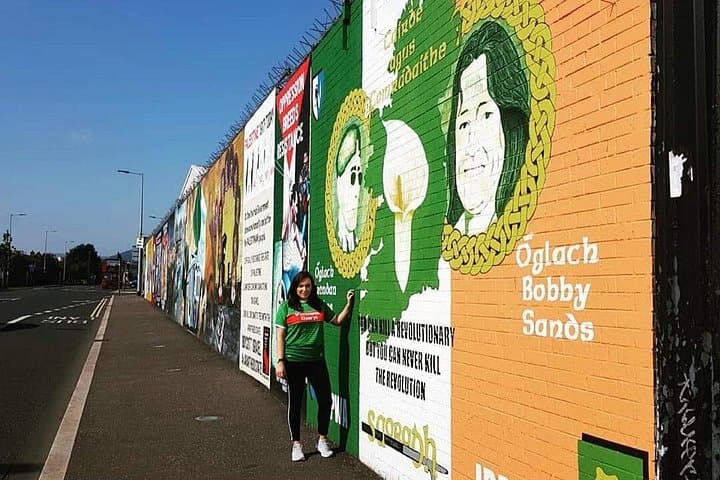
This 1.5–2 hour private tour threads through the political art of Falls Road, Shankill Road and the Peace Wall — places shaped by industrial growth, sectarian division and the decades-long conflict known as The Troubles. Murals painted by former prisoners, community groups and international solidarity movements record prison protests, hunger strikes and campaigns for civil rights; the Peace Wall, sections of which reach up to 8 metres high, still bears signatures from visitors and world leaders.
Geology here is urban — reclaimed docklands and sandstone streets around the River Lagan that once fed shipbuilding yards, while culture is carried on painted brick rather than in museum glass. Your guide combines eyewitness stories, archival photos and contemporary context, explaining symbols, anniversaries and how communities use public imagery to remember and heal.
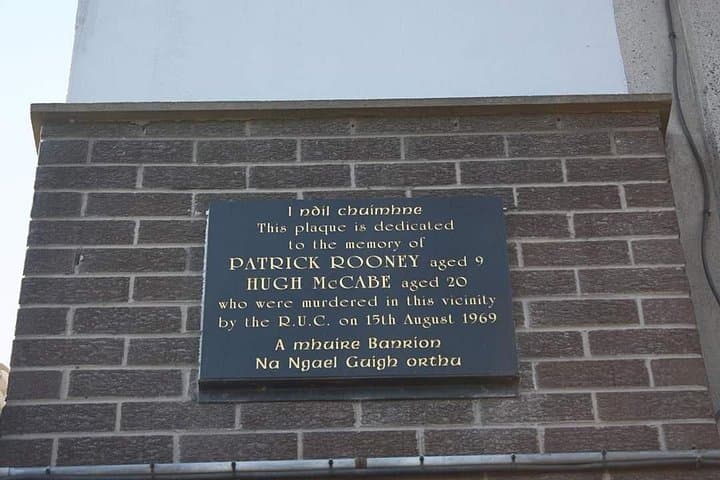
Practicalities: tours run multiple times daily, are wheelchair accessible and capped at small groups for a private feel. Wear waterproof layers and sturdy shoes for short walks between stops; bring a charged camera and a respectful mindset — many murals are active political statements. Photography is generally allowed, but ask before photographing people or private memorial plaques. Allow 90–120 minutes, and use morning or late-afternoon slots for softer light and fewer tour overlaps. This is a walking-and-driving encounter with living history — vivid, sometimes uncomfortable, always instructive.
easy.
1.5–2 hours.
Suitable for most fitness levels; involves short walks and getting in/out of a vehicle
The tour lasts approximately 90–120 minutes depending on traffic and how long you spend at each stop.
Yes — vehicles and most stopping points are accessible, but note some sidewalks have kerbs; specify accessibility needs when booking.
Photography is allowed at most sites; however, ask before photographing people, private property or sensitive memorials.
Yes — guides present historical context and personal stories; discussions are factual and aimed at explanation rather than persuasion.
Belfast’s murals grew during The Troubles as neighborhood statements of identity, memorializing events like the 1981 hunger strikes and reflecting international solidarity movements.
Many murals are community-maintained projects; visitors should respect paintwork, avoid defacement and support local businesses to contribute to neighborhood upkeep.
Giants Causeway Tours operates guided outdoor trips and adventures with an emphasis on safety, stewardship, and memorable experiences.
You slide into a black taxi as rain skirts the windows and the city’s brick facades rush past — the driver-guide speaks with a local cadence, pointing to a wall that refuses to be ignored. The murals of West Belfast confront you: large faces, bold slogans, and painted scenes that demand questions.
You slide into a black taxi as rain skirts the windows and the city’s brick facades rush past — the driver-guide speaks with a local cadence, pointing to a wall that refuses to be ignored. The murals of West Belfast confront you: large faces, bold slogans, and painted scenes that demand questions.
This 1.5–2 hour private tour threads through the political art of Falls Road, Shankill Road and the Peace Wall — places shaped by industrial growth, sectarian division and the decades-long conflict known as The Troubles. Murals painted by former prisoners, community groups and international solidarity movements record prison protests, hunger strikes and campaigns for civil rights; the Peace Wall, sections of which reach up to 8 metres high, still bears signatures from visitors and world leaders.
Geology here is urban — reclaimed docklands and sandstone streets around the River Lagan that once fed shipbuilding yards, while culture is carried on painted brick rather than in museum glass. Your guide combines eyewitness stories, archival photos and contemporary context, explaining symbols, anniversaries and how communities use public imagery to remember and heal.
Practicalities: tours run multiple times daily, are wheelchair accessible and capped at small groups for a private feel. Wear waterproof layers and sturdy shoes for short walks between stops; bring a charged camera and a respectful mindset — many murals are active political statements. Photography is generally allowed, but ask before photographing people or private memorial plaques. Allow 90–120 minutes, and use morning or late-afternoon slots for softer light and fewer tour overlaps. This is a walking-and-driving encounter with living history — vivid, sometimes uncomfortable, always instructive.