THE ADVENTURE COLLECTIVE® · Independent discovery and booking for outdoor travel

Ride in an original black cab through Belfast's painted streets and peace walls with guides who lived the Troubles. This two-hour private tour blends on-the-ground history, local perspective, and accessible stops for photos and conversation.
Ride in an original black cab through Belfast's painted streets and peace walls with guides who lived the Troubles. This two-hour private tour blends on-the-ground history, local perspective, and accessible stops for photos and conversation.
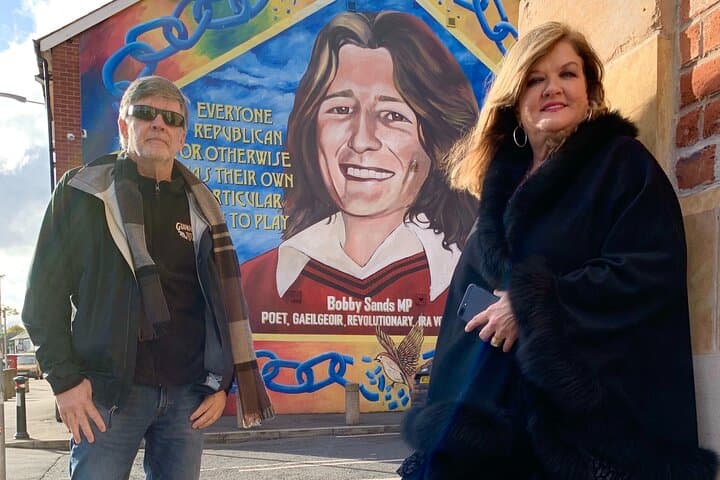
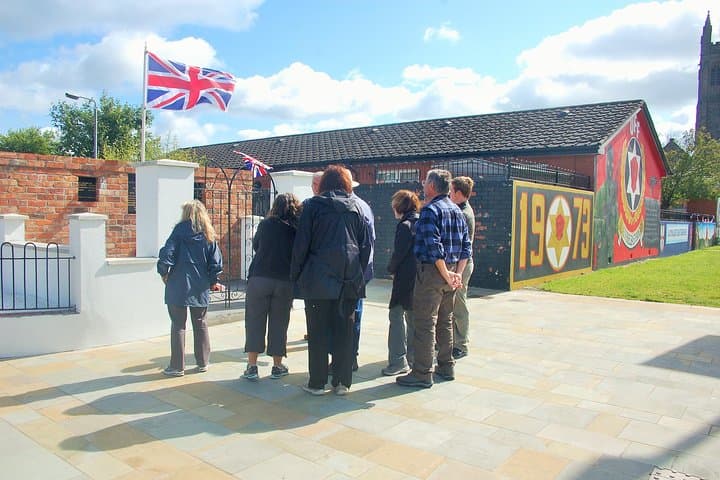
You step into a classic black cab and the city slides into motion—brick terraces, narrow lanes and painted walls growing larger as the driver turns toward the Falls Road. The cab's interior is intimate; your guide speaks from lived experience, voice steady against the city hum, pointing to murals that demand attention and the tall concrete peace walls that divide neighbourhoods.
Verified experiences and guided adventures in the surrounding area.
Operated by belfastattractions.co.uk · Belfast, Northern Ireland
You step into a classic black cab and the city slides into motion—brick terraces, narrow lanes and painted walls growing larger as the driver turns toward the Falls Road. The cab's interior is intimate; your guide speaks from lived experience, voice steady against the city hum, pointing to murals that demand attention and the tall concrete peace walls that divide neighbourhoods.
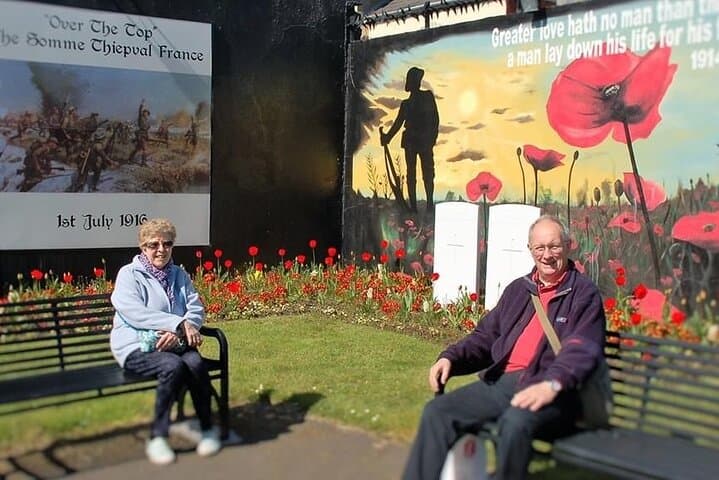
Belfast's modern form was shaped by centuries of trade, sectarian division and industrial might. The murals on Falls and Shankill record events from the Troubles to recent solidarity campaigns; the peace walls date to 1969 when physical barriers became part of daily life. The limestone and shale beneath Belfast have nothing dramatic to show on the surface, but the city's built environment—the docks, warehouses and Victorian prisons—tells the geological story of a port city that grew with shipbuilding.
Culture here is local and direct: orange-clad bonfires and republican murals are expressions of identity and memory. Guides who drove through checkpoints and curfews offer context you won't find in guidebooks.
Practical guidance: tours are two hours, largely seated with short stops for photos and commentary. Bring layers—weather changes fast—and reasonable footwear for brief walks. Carry a valid ID for hotel pickup and expect respectful behavior at murals and peace walls; they're living community statements. Morning departures avoid heavy traffic and give clearer time at stop points. The tour suits anyone wanting concentrated historical context delivered by people who experienced it firsthand.
easy.
2 hours.
Minimal fitness required; mostly seated with short flat walks at stops
The tour is two hours and typically includes hotel or port pickup in central Belfast; confirm your pickup point at booking.
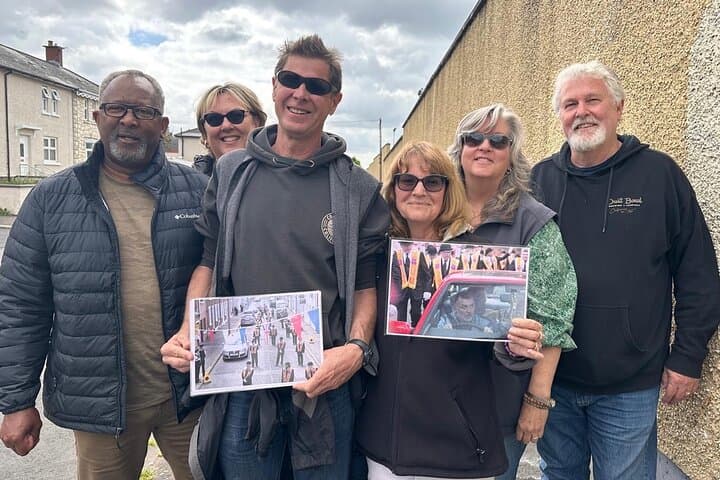
Yes—guides are local drivers who worked through the Troubles and provide personal insight into murals and neighbourhood histories.
Yes; the tour is rated easy but children should be accompanied by an adult and remain seated during vehicle travel.
Photography is allowed, but follow the guide's advice and respect residents; avoid entering private property or touching murals.
The peace walls were built in 1969 during escalating sectarian conflict; the Good Friday Agreement of 1998 substantially reduced violence and reshaped civic life.
Support local guides and small businesses, avoid defacing murals, and opt for minimal vehicle idling when possible to reduce emissions.
belfastattractions.co.uk operates guided outdoor trips and adventures with an emphasis on safety, stewardship, and memorable experiences.
You step into a classic black cab and the city slides into motion—brick terraces, narrow lanes and painted walls growing larger as the driver turns toward the Falls Road. The cab's interior is intimate; your guide speaks from lived experience, voice steady against the city hum, pointing to murals that demand attention and the tall concrete peace walls that divide neighbourhoods.
You step into a classic black cab and the city slides into motion—brick terraces, narrow lanes and painted walls growing larger as the driver turns toward the Falls Road. The cab's interior is intimate; your guide speaks from lived experience, voice steady against the city hum, pointing to murals that demand attention and the tall concrete peace walls that divide neighbourhoods.
Belfast's modern form was shaped by centuries of trade, sectarian division and industrial might. The murals on Falls and Shankill record events from the Troubles to recent solidarity campaigns; the peace walls date to 1969 when physical barriers became part of daily life. The limestone and shale beneath Belfast have nothing dramatic to show on the surface, but the city's built environment—the docks, warehouses and Victorian prisons—tells the geological story of a port city that grew with shipbuilding.
Culture here is local and direct: orange-clad bonfires and republican murals are expressions of identity and memory. Guides who drove through checkpoints and curfews offer context you won't find in guidebooks.
Practical guidance: tours are two hours, largely seated with short stops for photos and commentary. Bring layers—weather changes fast—and reasonable footwear for brief walks. Carry a valid ID for hotel pickup and expect respectful behavior at murals and peace walls; they're living community statements. Morning departures avoid heavy traffic and give clearer time at stop points. The tour suits anyone wanting concentrated historical context delivered by people who experienced it firsthand.