THE ADVENTURE COLLECTIVE® · Independent discovery and booking for outdoor travel

Walk through restored emigration halls where millions began new lives. BallinStadt blends archival depth with interactive exhibits and a genealogy center so visitors can follow real migration routes.
Walk through restored emigration halls where millions began new lives. BallinStadt blends archival depth with interactive exhibits and a genealogy center so visitors can follow real migration routes.
You step off the tram and the Elbe pushes a cool, briny breath toward the brick façades of Veddel. The Emigration Museum BallinStadt spreads across three restored halls where emigrants once queued for passage; light pours through tall windows and display rooms feel more like lived-in stations than sterile galleries.
Verified experiences and guided adventures in the surrounding area.
Operated by BallinStadt Auswanderermuseum Hamburg · Hamburg, Hamburg
You step off the tram and the Elbe pushes a cool, briny breath toward the brick façades of Veddel. The Emigration Museum BallinStadt spreads across three restored halls where emigrants once queued for passage; light pours through tall windows and display rooms feel more like lived-in stations than sterile galleries.
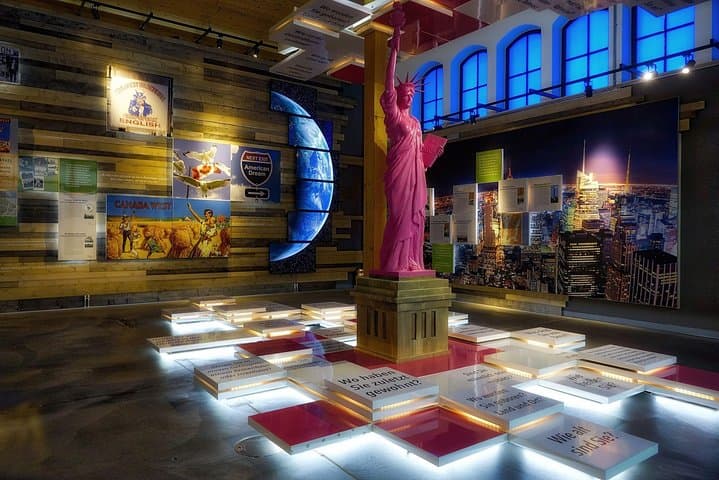
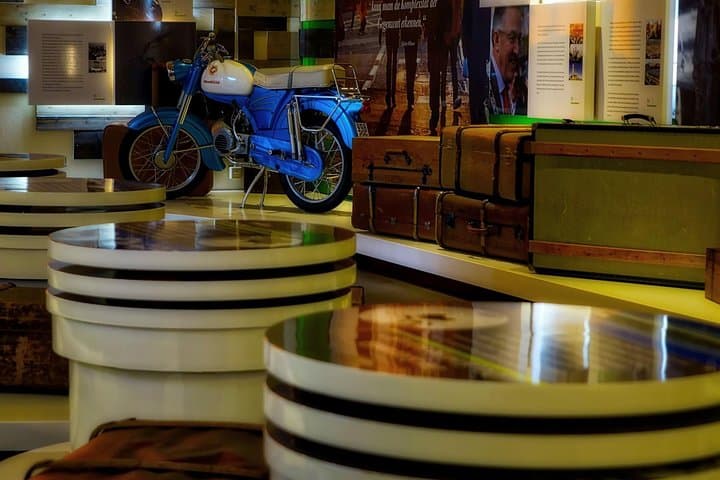
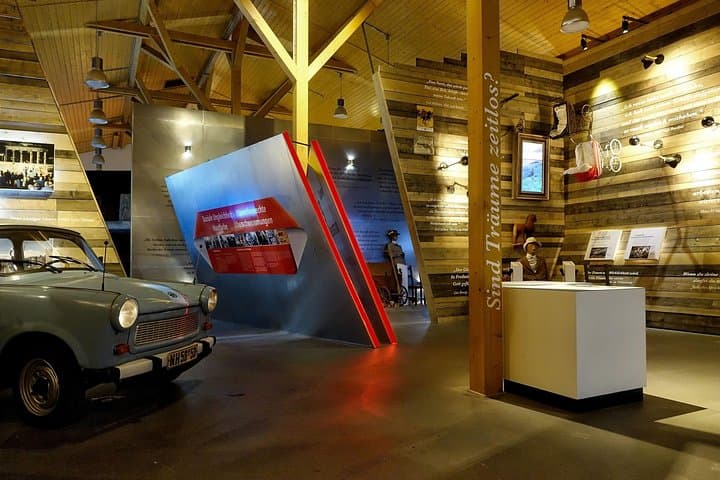
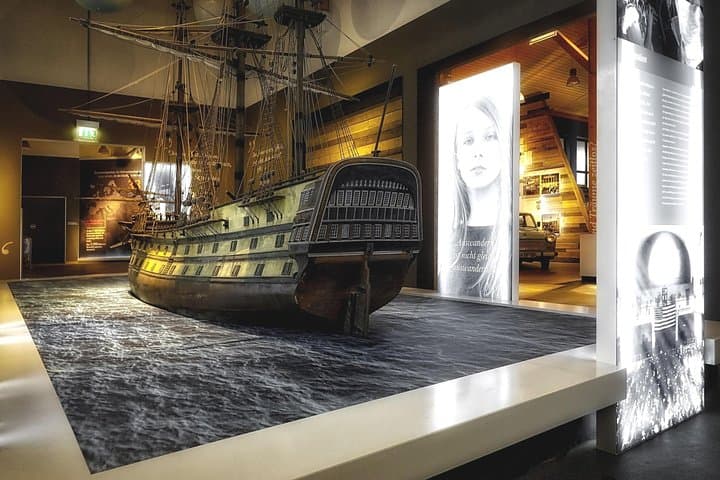
The site chronicles emigration through four epochs, anchored by the story of Albert Ballin and Hamburg’s role as Europe’s gateway to the Atlantic. Exhibits mix archival documents, reconstructed living quarters and hands-on stations. The museum’s genealogy center connects to international databases (in cooperation with Ancestry), letting you trace routes your family might have taken. Children engage with SIMMIGRANT, a role-playing game for ages 9–14, while younger visitors follow the museum mouse Jette through tactile displays.
Geographically, BallinStadt sits beside Hamburg’s working port, where the river once gulped entire fleets; the museum’s location enhances the sense of departure and arrival. Culturally, the halls tell personal decisions—flight from hardship, hunger for opportunity—presented with archival rigor and human detail.
Practical guidance: plan 1–2 hours to move through the three houses and use the family research station. Tickets are mobile-friendly and all areas are wheelchair- and stroller-accessible. Visit midweek or early morning on weekends to avoid school groups. Bring a charged phone for the interactive portions and allow time in the nearby Hafen city or Elbe promenade to absorb the maritime context.
easy.
1–2 hours.
Suitable for all fitness levels; mostly indoor walking on flat surfaces
Most visitors spend 1–2 hours exploring the three houses and using the family research center; longer if you dive into genealogy.
Yes — all areas and surfaces are wheelchair- and stroller-accessible and transportation nearby is accessible as well.
Yes — SIMMIGRANT is an interactive game for ages 9–14 and the museum mouse Jette guides younger children through hands-on displays.
Yes — the family research center offers free access to an international database in cooperation with Ancestry; bring names and dates to get started.
The museum occupies restored emigration halls associated with Albert Ballin and Hamburg’s 19th–20th century role as a major European embarkation point.
BallinStadt preserves and presents immigrant stories while encouraging responsible visitation; visitors are asked to respect exhibits and use provided recycling and waste bins.
BallinStadt Auswanderermuseum Hamburg operates guided outdoor trips and adventures with an emphasis on safety, stewardship, and memorable experiences.
You step off the tram and the Elbe pushes a cool, briny breath toward the brick façades of Veddel. The Emigration Museum BallinStadt spreads across three restored halls where emigrants once queued for passage; light pours through tall windows and display rooms feel more like lived-in stations than sterile galleries.
You step off the tram and the Elbe pushes a cool, briny breath toward the brick façades of Veddel. The Emigration Museum BallinStadt spreads across three restored halls where emigrants once queued for passage; light pours through tall windows and display rooms feel more like lived-in stations than sterile galleries.
The site chronicles emigration through four epochs, anchored by the story of Albert Ballin and Hamburg’s role as Europe’s gateway to the Atlantic. Exhibits mix archival documents, reconstructed living quarters and hands-on stations. The museum’s genealogy center connects to international databases (in cooperation with Ancestry), letting you trace routes your family might have taken. Children engage with SIMMIGRANT, a role-playing game for ages 9–14, while younger visitors follow the museum mouse Jette through tactile displays.
Geographically, BallinStadt sits beside Hamburg’s working port, where the river once gulped entire fleets; the museum’s location enhances the sense of departure and arrival. Culturally, the halls tell personal decisions—flight from hardship, hunger for opportunity—presented with archival rigor and human detail.
Practical guidance: plan 1–2 hours to move through the three houses and use the family research station. Tickets are mobile-friendly and all areas are wheelchair- and stroller-accessible. Visit midweek or early morning on weekends to avoid school groups. Bring a charged phone for the interactive portions and allow time in the nearby Hafen city or Elbe promenade to absorb the maritime context.