THE ADVENTURE COLLECTIVE® · Independent discovery and booking for outdoor travel

Spend a half-day moving from Mas to Celuk to Batuan and meet woodcarvers, silversmiths, and painters in their studios. This guided visit focuses on technique, story, and direct cultural exchange—purchases optional but appreciated.
Spend a half-day moving from Mas to Celuk to Batuan and meet woodcarvers, silversmiths, and painters in their studios. This guided visit focuses on technique, story, and direct cultural exchange—purchases optional but appreciated.
You step off the shaded lane and into a workshop where the smell of wood dust and hot metal announces the day’s work. In Mas, chisels tap rhythmically as figural forms emerge from blocks of suar wood; in Celuk, silver glows under lamps as hands bend filigree into ceremonial shapes; in Batuan, palettes of natural pigment smear across canvases that sketch Balinese life in fine, patient strokes.
Verified experiences and guided adventures in the surrounding area.
Operated by Itrip Bali · Ubud, Bali
You step off the shaded lane and into a workshop where the smell of wood dust and hot metal announces the day’s work. In Mas, chisels tap rhythmically as figural forms emerge from blocks of suar wood; in Celuk, silver glows under lamps as hands bend filigree into ceremonial shapes; in Batuan, palettes of natural pigment smear across canvases that sketch Balinese life in fine, patient strokes.
These three villages—within easy reach of Ubud—represent distinct strands of Bali’s living craft tradition. Mas is known for figurative woodcarving tied to temple rites; Celuk evolved under royal patronage into a center for silversmithing; Batuan artists developed a dense, narrative painting style in the early 20th century influenced by both ritual and colonial-era markets.
The geology here—volcanic soils and river plains—feeds the material culture: dense woods for carving, river sands for silver refining, and locally sourced minerals for pigments. Cultural context matters: many techniques are family-taught and bound to ceremonial calendars, so pace your questions and ask about meanings as well as methods.
Practical guidance: wear closed shoes for workshop floors, bring small-denomination cash to support makers, and allow about four hours to move between studios with private transport. Photography is usually welcomed but ask before shooting sacred pieces. Hydrate and plan visits in the morning to avoid the hottest light and crowds. This is not a market crawl—expect intimate demonstrations, candid stories, and a direct line to craftsmen who keep centuries-old skills alive.
easy.
3–4 hours.
Suitable for most fitness levels—mostly short walks between studios and indoor standing demonstrations.
No—this experience is designed for learning and cultural exchange; purchases are optional but appreciated by artisans.
Some studios and public areas are wheelchair accessible, but accessibility can vary—ask the operator about specific needs before booking.
Private transportation is included in the tour package, typically covering transfers between the villages and back to Ubud.
Yes—guided visits prioritize conversation and technique demonstrations; bring questions about materials, motifs, and family traditions.
Local craft villages grew under royal court patronage and colonial-era demand; many techniques combine ritual function with market-driven adaptations developed over the last two centuries.
Support sustainable livelihoods by buying directly or commissioning pieces; avoid purchasing items made from endangered woods or protected wildlife products.
Itrip Bali operates guided outdoor trips and adventures with an emphasis on safety, stewardship, and memorable experiences.
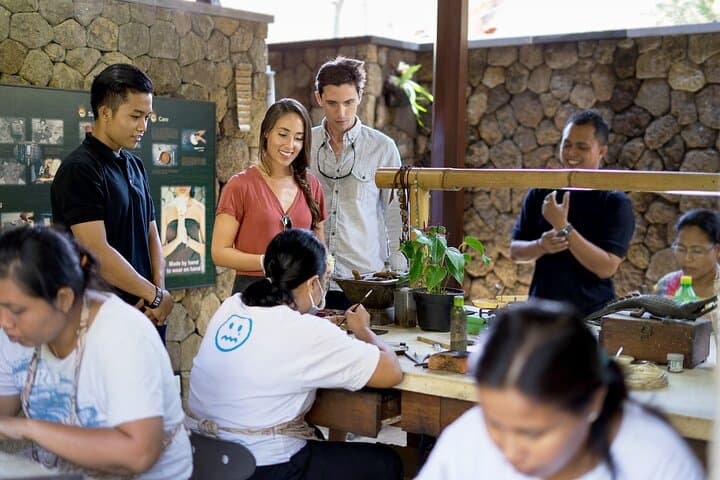
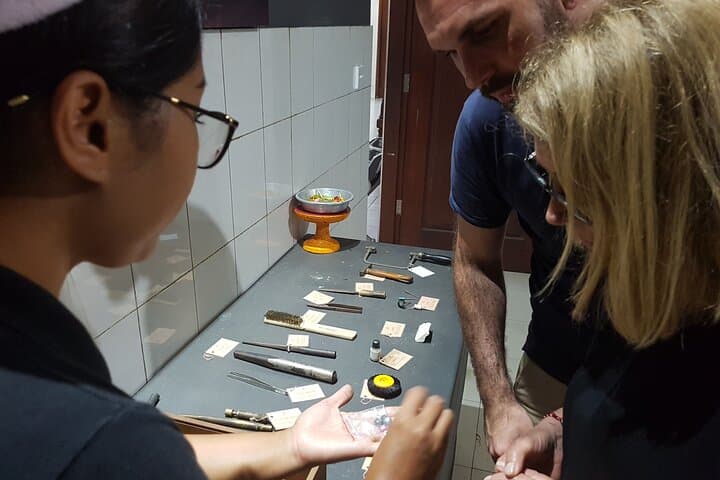

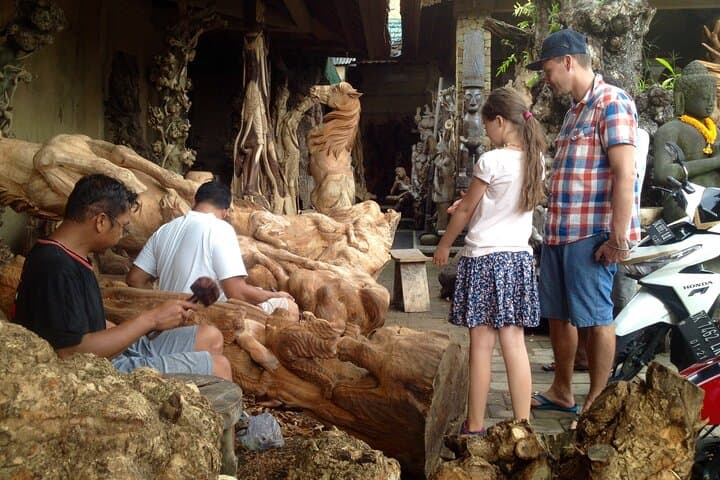
You step off the shaded lane and into a workshop where the smell of wood dust and hot metal announces the day’s work. In Mas, chisels tap rhythmically as figural forms emerge from blocks of suar wood; in Celuk, silver glows under lamps as hands bend filigree into ceremonial shapes; in Batuan, palettes of natural pigment smear across canvases that sketch Balinese life in fine, patient strokes.
You step off the shaded lane and into a workshop where the smell of wood dust and hot metal announces the day’s work. In Mas, chisels tap rhythmically as figural forms emerge from blocks of suar wood; in Celuk, silver glows under lamps as hands bend filigree into ceremonial shapes; in Batuan, palettes of natural pigment smear across canvases that sketch Balinese life in fine, patient strokes.
These three villages—within easy reach of Ubud—represent distinct strands of Bali’s living craft tradition. Mas is known for figurative woodcarving tied to temple rites; Celuk evolved under royal patronage into a center for silversmithing; Batuan artists developed a dense, narrative painting style in the early 20th century influenced by both ritual and colonial-era markets.
The geology here—volcanic soils and river plains—feeds the material culture: dense woods for carving, river sands for silver refining, and locally sourced minerals for pigments. Cultural context matters: many techniques are family-taught and bound to ceremonial calendars, so pace your questions and ask about meanings as well as methods.
Practical guidance: wear closed shoes for workshop floors, bring small-denomination cash to support makers, and allow about four hours to move between studios with private transport. Photography is usually welcomed but ask before shooting sacred pieces. Hydrate and plan visits in the morning to avoid the hottest light and crowds. This is not a market crawl—expect intimate demonstrations, candid stories, and a direct line to craftsmen who keep centuries-old skills alive.