THE ADVENTURE COLLECTIVE® · Independent discovery and booking for outdoor travel

A compact, full-day loop from Ubud that pairs the slot-canyon drama of Tukad Cepung with the sculpted rice terraces of Tegalalang and the sacred pools of Tirta Empul. Expect short hikes, local fees, and unforgettable light for photos.
A compact, full-day loop from Ubud that pairs the slot-canyon drama of Tukad Cepung with the sculpted rice terraces of Tegalalang and the sacred pools of Tirta Empul. Expect short hikes, local fees, and unforgettable light for photos.
You step off the shaded lane and hear the river before you see it — a bright ribbon of water cutting through basalt cliffs, light spilling through a narrow canyon above. That is Tukad Cepung: a waterfall that peeks at you through a slot of rock and sun, its spray daring you to step closer and feel the cool spray on your face.
Verified experiences and guided adventures in the surrounding area.
Operated by BaliDriverGede · Ubud, Bali
You step off the shaded lane and hear the river before you see it — a bright ribbon of water cutting through basalt cliffs, light spilling through a narrow canyon above. That is Tukad Cepung: a waterfall that peeks at you through a slot of rock and sun, its spray daring you to step closer and feel the cool spray on your face.
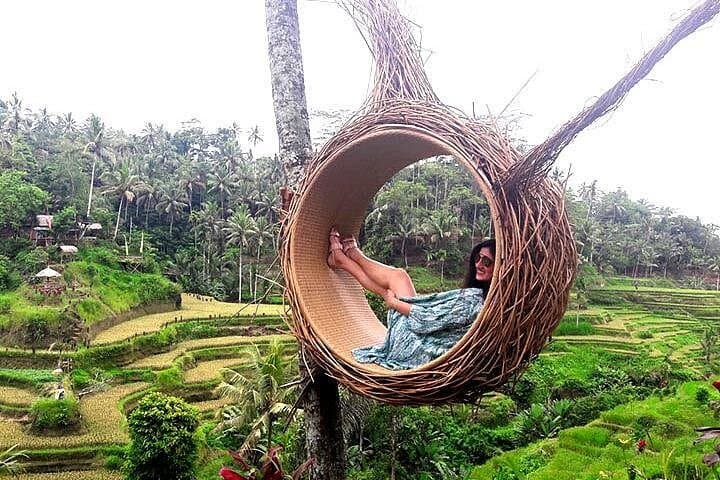
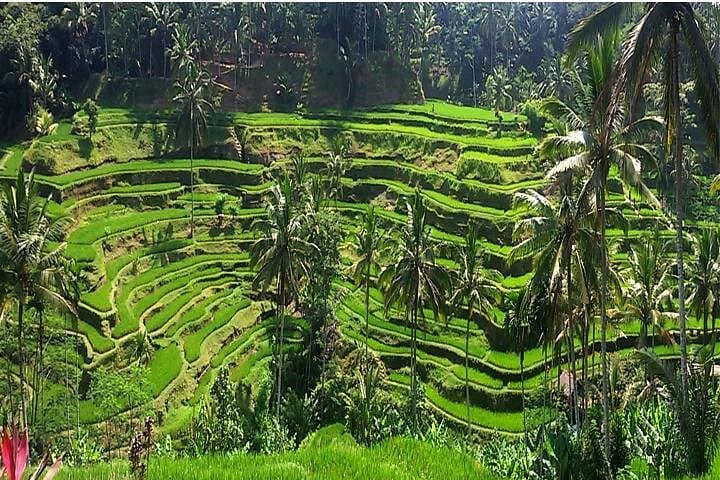
This full-day route threads three of central Bali’s most photographed landscapes. Tegalalang’s carved rice terraces reveal centuries of subak irrigation practice — narrow stone walls, stepped paddies, and channels that have sustained Balinese communities for generations. Tirta Empul, built around 960 AD during the Warmadewa dynasty, brings a cultural counterpoint: a working temple of holy springs where locals perform purification rites along stone spouts.
Geologically, the canyon at Tukad Cepung is a product of volcanic flows and river erosion; basalt and layered deposits form the cliffs that create that chambered, cathedral-like light. Culturally, the day pairs agrarian lifeways with living Hindu ritual — expect villagers tending fields, offerings on temple thresholds, and small-scale tourism managed by local families.
Practical guidance: this is a day of short hikes, steps, and uneven rock. Wear grippy shoes, bring a refillable water bottle, and carry a small towel for the waterfall approach. Bring cash for small entrance contributions and tips; some sites have modest local fees. Start early to catch the canyon light at Tukad Cepung and to avoid mid-day crowds at Tegalalang. Respect temple dress codes at Tirta Empul (sarong available on-site at many entrances), and give yourself time — the rhythm of this route is slow, tactile, and best experienced without rushing.
moderate.
8–10 hours.
Suitable for travelers in average fitness—able to walk on uneven ground, climb steps, and stand for photos; not strenuous.
No—this tour typically requires visitors to pay modest local entrance or maintenance contributions at sites like Tukad Cepung and Tegalalang; bring cash.
The waterfall involves uneven steps, river rocks, and some scrambling; it’s not ideal for strollers or limited mobility — children can do it supervised but expect a physical approach.
Transport is provided and an English-speaking driver accompanies you, but lunch is usually paid for by guests at a local restaurant or warung en route.
Yes—private transportation and pickup points are typically arranged from Ubud or nearby hotels; confirm your pickup location when booking.
Tirta Empul dates to around 960 AD under the Warmadewa dynasty and remains a functioning Hindu temple centered on a sacred spring used for purification ceremonies.
Local villagers often manage trail access and upkeep—carry out waste, avoid stepping on paddy walls, and tip guides to support community maintenance.
BaliDriverGede operates guided outdoor trips and adventures with an emphasis on safety, stewardship, and memorable experiences.
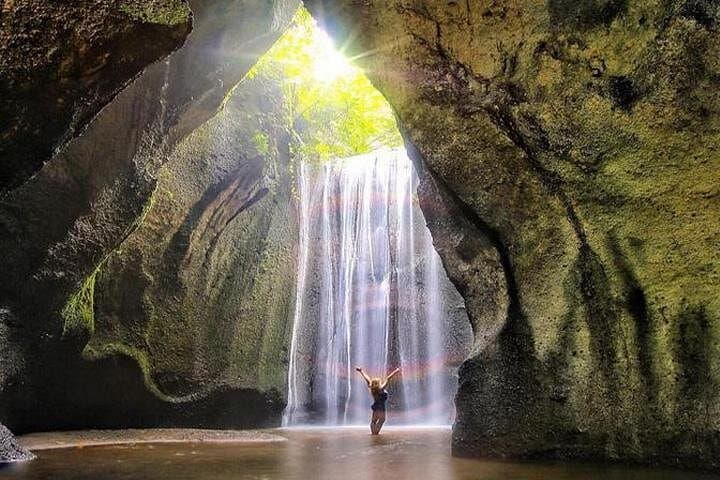
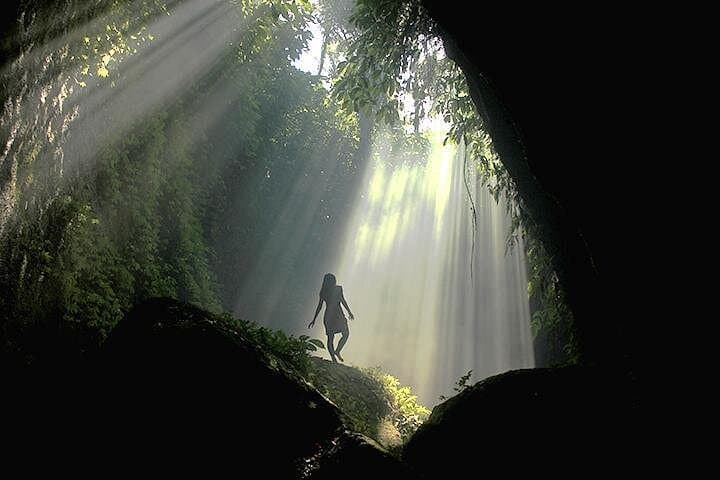
You step off the shaded lane and hear the river before you see it — a bright ribbon of water cutting through basalt cliffs, light spilling through a narrow canyon above. That is Tukad Cepung: a waterfall that peeks at you through a slot of rock and sun, its spray daring you to step closer and feel the cool spray on your face.
You step off the shaded lane and hear the river before you see it — a bright ribbon of water cutting through basalt cliffs, light spilling through a narrow canyon above. That is Tukad Cepung: a waterfall that peeks at you through a slot of rock and sun, its spray daring you to step closer and feel the cool spray on your face.
This full-day route threads three of central Bali’s most photographed landscapes. Tegalalang’s carved rice terraces reveal centuries of subak irrigation practice — narrow stone walls, stepped paddies, and channels that have sustained Balinese communities for generations. Tirta Empul, built around 960 AD during the Warmadewa dynasty, brings a cultural counterpoint: a working temple of holy springs where locals perform purification rites along stone spouts.
Geologically, the canyon at Tukad Cepung is a product of volcanic flows and river erosion; basalt and layered deposits form the cliffs that create that chambered, cathedral-like light. Culturally, the day pairs agrarian lifeways with living Hindu ritual — expect villagers tending fields, offerings on temple thresholds, and small-scale tourism managed by local families.
Practical guidance: this is a day of short hikes, steps, and uneven rock. Wear grippy shoes, bring a refillable water bottle, and carry a small towel for the waterfall approach. Bring cash for small entrance contributions and tips; some sites have modest local fees. Start early to catch the canyon light at Tukad Cepung and to avoid mid-day crowds at Tegalalang. Respect temple dress codes at Tirta Empul (sarong available on-site at many entrances), and give yourself time — the rhythm of this route is slow, tactile, and best experienced without rushing.