THE ADVENTURE COLLECTIVE® · Independent discovery and booking for outdoor travel

Spend 1–2 hours exploring Bali Reptile Park along the Bali Golden Triangle road. Expect close-up encounters, keeper-led shows, and shaded garden paths that make this a compact, educational stop for families and curious travelers.
Spend 1–2 hours exploring Bali Reptile Park along the Bali Golden Triangle road. Expect close-up encounters, keeper-led shows, and shaded garden paths that make this a compact, educational stop for families and curious travelers.
A humid breath of jungle and a chorus of distant birds meet you as you step through the gates of Bali Reptile Park. Paths curve beneath tall palms; enclosures hum with the slow assurance of cold-blooded residents. A keeper’s voice draws you into a demonstration where a python drapes itself across gloved hands and a monitor lizard pads with surprising speed — the park encourages close observation and respectful distance.
Verified experiences and guided adventures in the surrounding area.
Operated by Bali Reptile Park · Taro, Bali
A humid breath of jungle and a chorus of distant birds meet you as you step through the gates of Bali Reptile Park. Paths curve beneath tall palms; enclosures hum with the slow assurance of cold-blooded residents. A keeper’s voice draws you into a demonstration where a python drapes itself across gloved hands and a monitor lizard pads with surprising speed — the park encourages close observation and respectful distance.
Opened as Bali’s first dedicated reptile park, the site combines conservation, education, and accessible encounters along the Bali Golden Triangle road. The terrain here is lowland tropical — mixed garden landscaping over original jungle soils — so the exhibits feel more like rooms in a living classroom than sterile displays. Local Balinese culture appears in carved signs and staff storytelling: animals are introduced with both biological facts and the island’s practical folklore about snakes and water spirits.
Practical guidance comes quickly: the park visit is compact — roughly 1–2 hours — and designed for visitors of all ages and abilities, with shaded walkways and restroom facilities. Timing your visit for morning or late afternoon avoids midday heat and the busiest tour windows. Wear closed shoes for slick paths, bring insect repellent, and keep cameras ready for slow-motion moments: basking crocodiles, coiled pythons, and tortoises on sun-warmed rocks.
Respect rules: no feeding, follow keeper instructions during encounters, and use designated photo spots. A visit here is less about adrenaline and more about focused curiosity — a chance to see species you rarely meet in the wild and to leave better informed about their role on Indonesian islands.
easy.
1–2 hours.
Suitable for most fitness levels; minimal walking with benches and accessible routes.
Most visitors spend about 1–2 hours to see exhibits, attend a show, and enjoy a guided encounter.
Yes — encounters are supervised by trained keepers and the park is stroller- and wheelchair-friendly, but children should remain under adult supervision.
No — feeding or unsupervised touching is not allowed; interactions occur only during keeper-led encounters to protect both animals and visitors.
Yes — the park reports wheelchair-accessible paths and facilities; check with staff for assistance with specific areas or encounters.
Bali Reptile Park opened as the island’s first dedicated reptile facility and positions itself as an education and conservation resource connected to the Bali Golden Triangle tourist corridor.
The park runs educational programs and promotes responsible interaction; visitors should follow guidelines to minimize stress on animals and support captive-care efforts.
Bali Reptile Park operates guided outdoor trips and adventures with an emphasis on safety, stewardship, and memorable experiences.
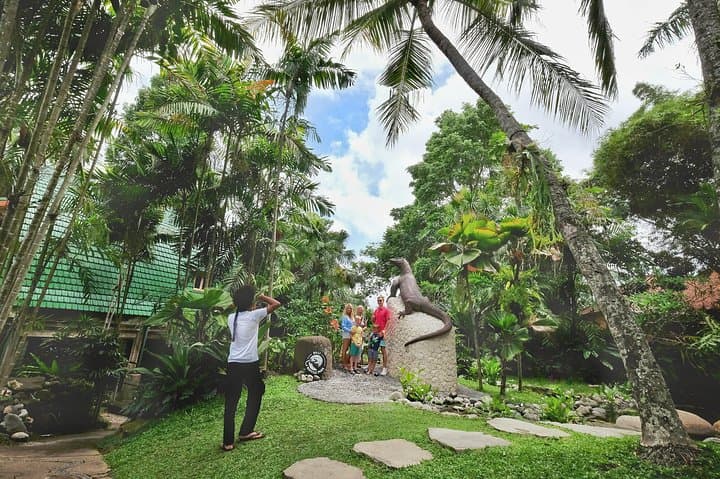
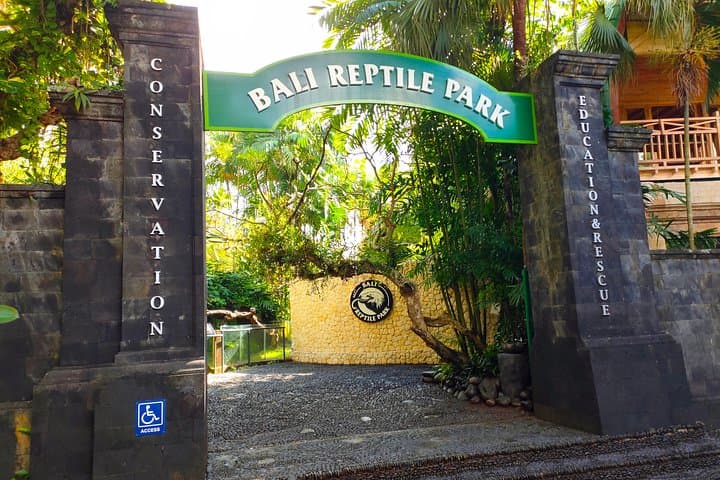
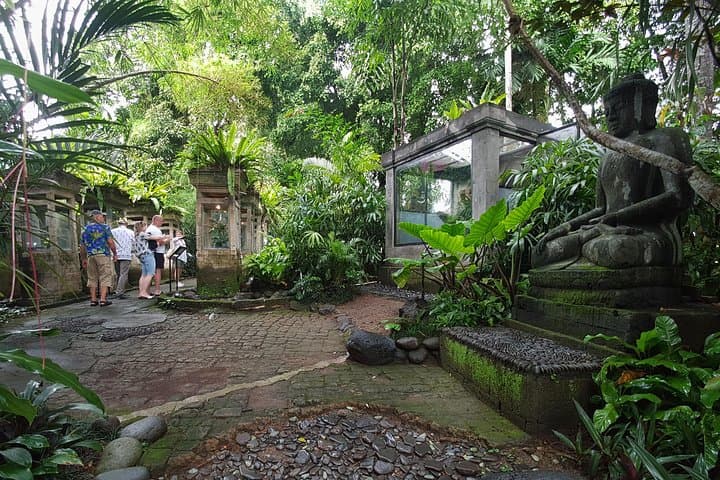
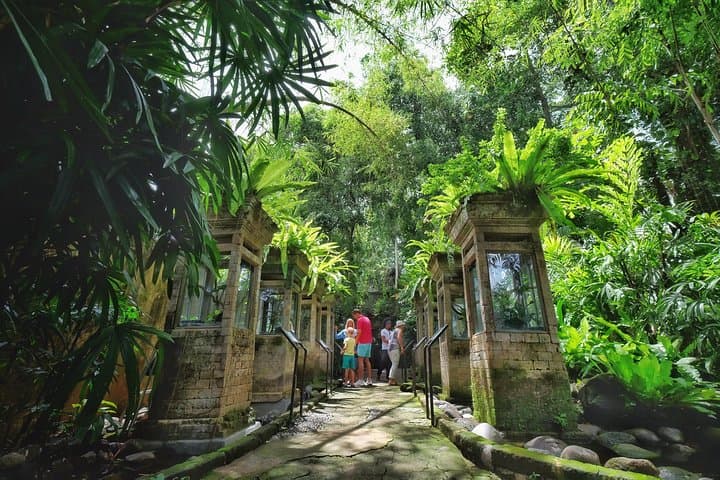
A humid breath of jungle and a chorus of distant birds meet you as you step through the gates of Bali Reptile Park. Paths curve beneath tall palms; enclosures hum with the slow assurance of cold-blooded residents. A keeper’s voice draws you into a demonstration where a python drapes itself across gloved hands and a monitor lizard pads with surprising speed — the park encourages close observation and respectful distance.
A humid breath of jungle and a chorus of distant birds meet you as you step through the gates of Bali Reptile Park. Paths curve beneath tall palms; enclosures hum with the slow assurance of cold-blooded residents. A keeper’s voice draws you into a demonstration where a python drapes itself across gloved hands and a monitor lizard pads with surprising speed — the park encourages close observation and respectful distance.
Opened as Bali’s first dedicated reptile park, the site combines conservation, education, and accessible encounters along the Bali Golden Triangle road. The terrain here is lowland tropical — mixed garden landscaping over original jungle soils — so the exhibits feel more like rooms in a living classroom than sterile displays. Local Balinese culture appears in carved signs and staff storytelling: animals are introduced with both biological facts and the island’s practical folklore about snakes and water spirits.
Practical guidance comes quickly: the park visit is compact — roughly 1–2 hours — and designed for visitors of all ages and abilities, with shaded walkways and restroom facilities. Timing your visit for morning or late afternoon avoids midday heat and the busiest tour windows. Wear closed shoes for slick paths, bring insect repellent, and keep cameras ready for slow-motion moments: basking crocodiles, coiled pythons, and tortoises on sun-warmed rocks.
Respect rules: no feeding, follow keeper instructions during encounters, and use designated photo spots. A visit here is less about adrenaline and more about focused curiosity — a chance to see species you rarely meet in the wild and to leave better informed about their role on Indonesian islands.