THE ADVENTURE COLLECTIVE® · Independent discovery and booking for outdoor travel

Feel the roar of Buenos Aires as you take your place inside La Bombonera or the Monumental — two of Argentina’s fiercest football arenas. This guide walks you through the culture, history, and practical tips to make the most of a match-day experience.
Feel the roar of Buenos Aires as you take your place inside La Bombonera or the Monumental — two of Argentina’s fiercest football arenas. This guide walks you through the culture, history, and practical tips to make the most of a match-day experience.
You arrive as the city hums toward kick-off: men and women in blue and yellow or red and white stream down avenues, vendors call out for choripán, and stadium floodlights scrape the Buenos Aires sky. In La Bombonera the stands lean in like a crowd holding its breath; at the Monumental, terraces roll out in broad, organized waves. The noise feels deliberate — a living force that pushes you forward.
Verified experiences and guided adventures in the surrounding area.
Operated by Experience Baires LLC · Buenos Aires, Buenos Aires
You arrive as the city hums toward kick-off: men and women in blue and yellow or red and white stream down avenues, vendors call out for choripán, and stadium floodlights scrape the Buenos Aires sky. In La Bombonera the stands lean in like a crowd holding its breath; at the Monumental, terraces roll out in broad, organized waves. The noise feels deliberate — a living force that pushes you forward.
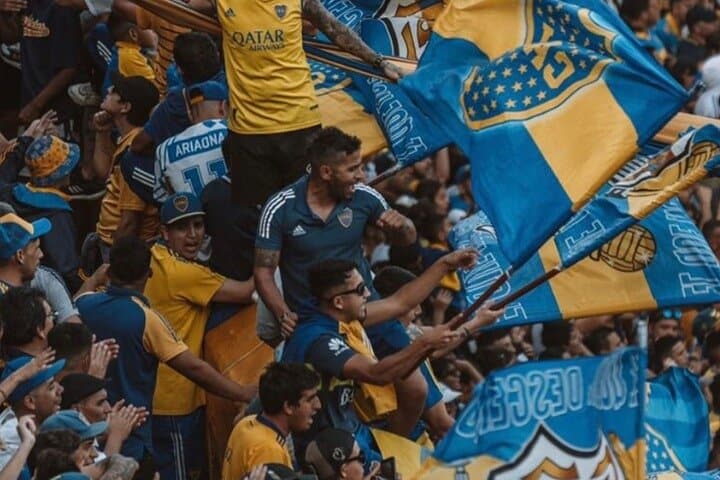
Argentina’s football culture grew with 20th‑century immigration and industrial neighborhoods; clubs like Boca Juniors and River Plate are civic institutions with contested histories tied to working‑class identity. Geologically Buenos Aires sits on the Río de la Plata’s broad coastal plain, which shaped where large stadiums could anchor and how neighborhoods expanded around them. Local culture is blunt and immediate: songs, banners, and choreographed drums guide the match-day experience more than any official script.
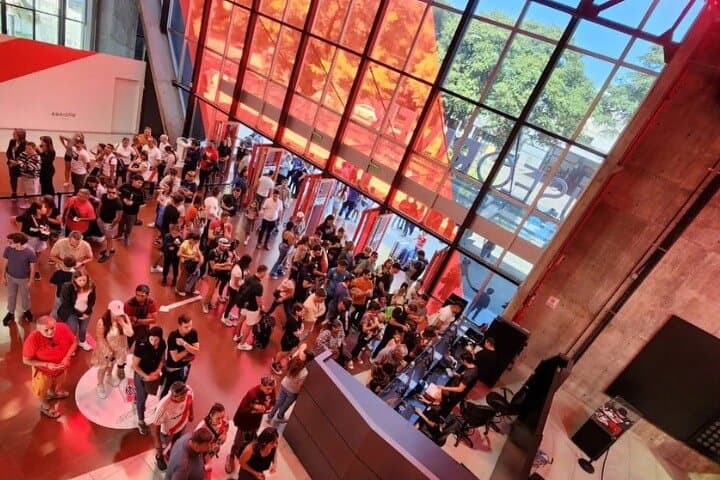
If your tour includes club museums and stadium entry, expect close-up access to trophies, historic kits, and audiovisual exhibits that put players and rivalries in context. Arrive early to absorb pre-match rituals, buy a snack from a licensed vendor, and walk the perimeter to view murals and fan displays.
Practical guidance: tickets are often resale and can be pricier than face value; mobile tickets are accepted. Use public transit or authorized transfers to avoid long queues; plan 2–5 hours for the outing. Carry ID, small bills, ear protection for intense crowd moments, and a fully charged phone. Stay aware of your belongings in dense crowds and follow stadium security instructions for a smooth, memorable match-day in Buenos Aires.
easy.
2–5 hours.
Suitable for all fitness levels; expect standing and walking on terraces and stairs.
Tours typically include stadium or museum admission, but tickets may be resold and priced above face value; confirm what's included before booking.
This experience is not recommended for pregnant travelers or people with significant cardiovascular conditions due to crowded, high‑energy environments.
Plan to arrive 60–90 minutes before kickoff to clear security, find seating, and see pre‑match atmosphere around the stadium.
Yes—Buenos Aires’ trains and buses serve both La Bombonera and the Monumental; use authorized routes and allow extra time on match day.
Football clubs in Buenos Aires grew from early 20th‑century working‑class neighborhoods; rivalries like Boca vs River carry deep civic and social meaning.
Match days generate significant waste and noise; dispose of litter in stadium bins, favor refillable bottles where allowed, and respect neighborhood residents when arriving or leaving.
Experience Baires LLC operates guided outdoor trips and adventures with an emphasis on safety, stewardship, and memorable experiences.

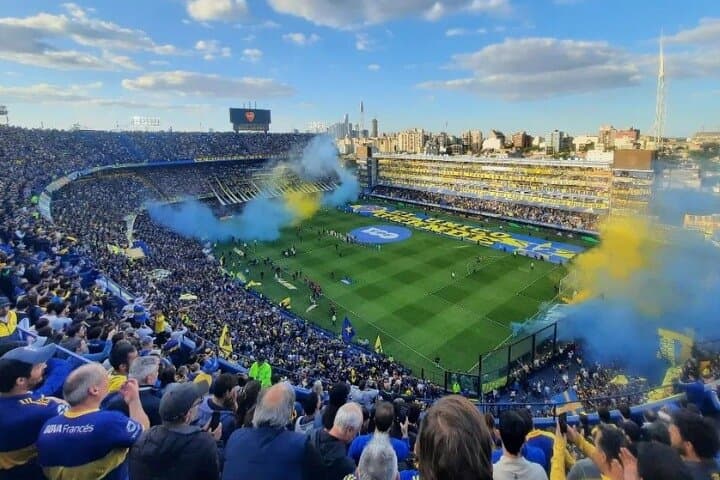
You arrive as the city hums toward kick-off: men and women in blue and yellow or red and white stream down avenues, vendors call out for choripán, and stadium floodlights scrape the Buenos Aires sky. In La Bombonera the stands lean in like a crowd holding its breath; at the Monumental, terraces roll out in broad, organized waves. The noise feels deliberate — a living force that pushes you forward.
You arrive as the city hums toward kick-off: men and women in blue and yellow or red and white stream down avenues, vendors call out for choripán, and stadium floodlights scrape the Buenos Aires sky. In La Bombonera the stands lean in like a crowd holding its breath; at the Monumental, terraces roll out in broad, organized waves. The noise feels deliberate — a living force that pushes you forward.
Argentina’s football culture grew with 20th‑century immigration and industrial neighborhoods; clubs like Boca Juniors and River Plate are civic institutions with contested histories tied to working‑class identity. Geologically Buenos Aires sits on the Río de la Plata’s broad coastal plain, which shaped where large stadiums could anchor and how neighborhoods expanded around them. Local culture is blunt and immediate: songs, banners, and choreographed drums guide the match-day experience more than any official script.
If your tour includes club museums and stadium entry, expect close-up access to trophies, historic kits, and audiovisual exhibits that put players and rivalries in context. Arrive early to absorb pre-match rituals, buy a snack from a licensed vendor, and walk the perimeter to view murals and fan displays.
Practical guidance: tickets are often resale and can be pricier than face value; mobile tickets are accepted. Use public transit or authorized transfers to avoid long queues; plan 2–5 hours for the outing. Carry ID, small bills, ear protection for intense crowd moments, and a fully charged phone. Stay aware of your belongings in dense crowds and follow stadium security instructions for a smooth, memorable match-day in Buenos Aires.