THE ADVENTURE COLLECTIVE® · Independent discovery and booking for outdoor travel

Step into Arena México for a guided lucha libre night that pairs live matches with cultural context—and leaves you with a fighter’s mask. Learn the history, feel the crowd, and plan ahead for a loud, fast-paced evening.
Step into Arena México for a guided lucha libre night that pairs live matches with cultural context—and leaves you with a fighter’s mask. Learn the history, feel the crowd, and plan ahead for a loud, fast-paced evening.
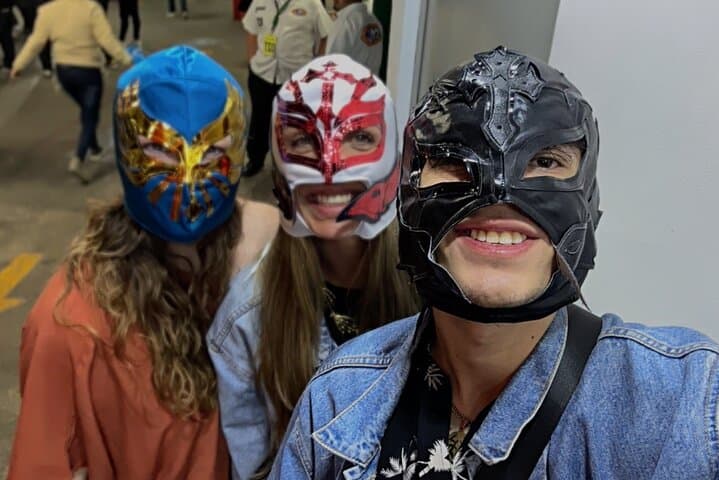
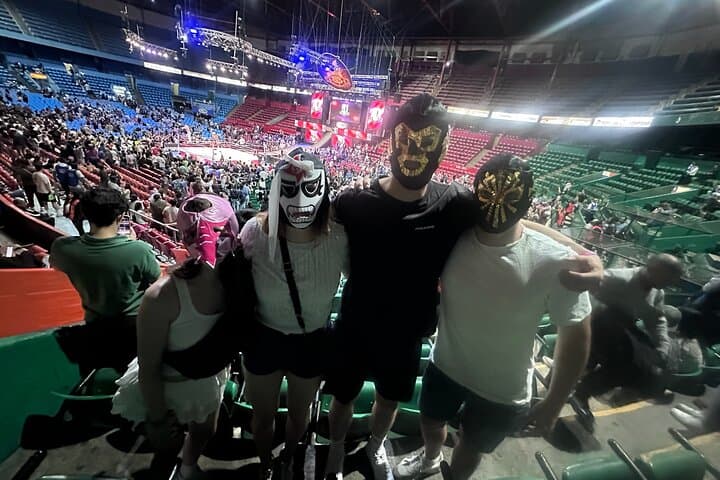
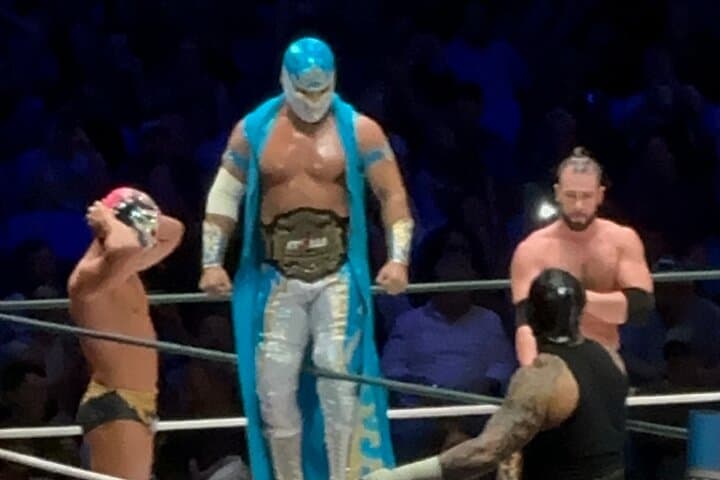
The lights flare as you step from the humid street into the roar — drums, whistles and a chorus of voices calling names as masked figures fly through the air. Your guide slips a lightweight mask over your eyes; instantly you feel part of a ritual that pushes and rewards spectacle.
Verified experiences and guided adventures in the surrounding area.
Operated by AlebriXe Tours Mx · Mexico City, Mexico City
The lights flare as you step from the humid street into the roar — drums, whistles and a chorus of voices calling names as masked figures fly through the air. Your guide slips a lightweight mask over your eyes; instantly you feel part of a ritual that pushes and rewards spectacle.
Lucha libre grew in Mexico in the early 20th century, and Arena México—opened in 1956 and often called the sport’s most important venue—became the locus for the high-flying, character-driven matches that define it. The building’s concrete tiers and bright ring contrast with the flamboyant costumes and dramatic storytelling performed inside.
Expect a cultural mix: working-class fans chanting catchphrases, vendors parrying down the aisles with tacos and beer, and sellers hawking masks and posters. The mask itself is central to lucha libre’s language; it represents identity and myth, and wearing one lets visitors experience that element firsthand. The guide’s commentary fills in backstage lore: famous luchadores, classic rivalries, and how matches blend athletic skill with theater.
Practical guidance: shows run roughly 2–3 hours and often start in the evening—arrive 30–45 minutes early to find your seat and visit vendors. Public transport stops nearby, but expect crowded streets after events; rideshares and taxis are common. The tour includes admission and a courtesy mask; note it’s not recommended for guests with serious heart or spine conditions, and the crowd and sound levels can be intense. Bring ID, small cash for concessions and souvenirs, and ear protection if you’re noise-sensitive. With that, the arena’s energy becomes less a spectacle watched from afar and more a lived, local night out.
easy.
2–3 hours.
Suitable for people with average mobility; mostly seated but may require stair navigation
Yes—the tour includes a courtesy mask so you can experience the event like a local.
Seating is included with admission provided by the tour; guides will help you find your assigned area, but arrive early to secure the best view.
Many families attend lucha libre, but the show is loud and theatrical; consider age and noise sensitivity before booking.
Photography is generally allowed, but avoid flash in the ring and respect performers’ requests; some promotions restrict backstage photos.
Arena México opened in 1956 and quickly became the central venue for luchadores and major promotions, earning a reputation as the heart of Mexico’s professional wrestling culture.
Support local vendors and minimize waste by carrying a reusable bottle; dispose of trash in provided bins to reduce litter at busy events.
AlebriXe Tours Mx operates guided outdoor trips and adventures with an emphasis on safety, stewardship, and memorable experiences.

The lights flare as you step from the humid street into the roar — drums, whistles and a chorus of voices calling names as masked figures fly through the air. Your guide slips a lightweight mask over your eyes; instantly you feel part of a ritual that pushes and rewards spectacle.
The lights flare as you step from the humid street into the roar — drums, whistles and a chorus of voices calling names as masked figures fly through the air. Your guide slips a lightweight mask over your eyes; instantly you feel part of a ritual that pushes and rewards spectacle.
Lucha libre grew in Mexico in the early 20th century, and Arena México—opened in 1956 and often called the sport’s most important venue—became the locus for the high-flying, character-driven matches that define it. The building’s concrete tiers and bright ring contrast with the flamboyant costumes and dramatic storytelling performed inside.
Expect a cultural mix: working-class fans chanting catchphrases, vendors parrying down the aisles with tacos and beer, and sellers hawking masks and posters. The mask itself is central to lucha libre’s language; it represents identity and myth, and wearing one lets visitors experience that element firsthand. The guide’s commentary fills in backstage lore: famous luchadores, classic rivalries, and how matches blend athletic skill with theater.
Practical guidance: shows run roughly 2–3 hours and often start in the evening—arrive 30–45 minutes early to find your seat and visit vendors. Public transport stops nearby, but expect crowded streets after events; rideshares and taxis are common. The tour includes admission and a courtesy mask; note it’s not recommended for guests with serious heart or spine conditions, and the crowd and sound levels can be intense. Bring ID, small cash for concessions and souvenirs, and ear protection if you’re noise-sensitive. With that, the arena’s energy becomes less a spectacle watched from afar and more a lived, local night out.