THE ADVENTURE COLLECTIVE® · Independent discovery and booking for outdoor travel

See Arches beyond the roadside: a focused small-group tour that combines short hikes to Windows and Double Arch with panoramic viewpoints like Park Avenue. Expect interpretive geology, botany, and photo stops on a four-hour loop.
See Arches beyond the roadside: a focused small-group tour that combines short hikes to Windows and Double Arch with panoramic viewpoints like Park Avenue. Expect interpretive geology, botany, and photo stops on a four-hour loop.
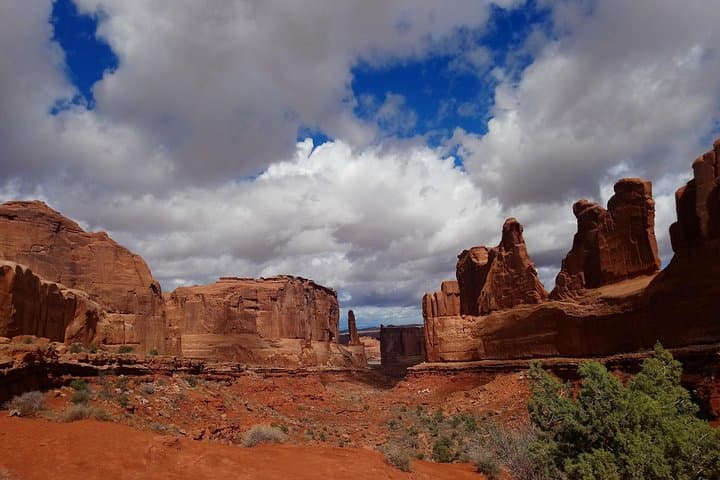
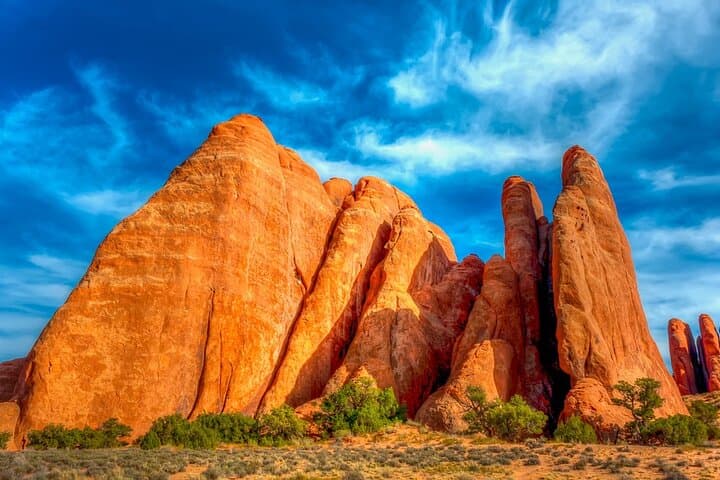
You step out of a cool vehicle into a bowl of red rock light — wind tugs at your hat and a wall of Navajo sandstone rises like an opened book. The tour moves deliberately: short walks to viewpoints, a longer loop through the Windows Section and a close-up of Double Arch, each stop a page in the park’s slow geological story.
Verified experiences and guided adventures in the surrounding area.
Operated by Moab In A Day LLC · Moab, Utah
You step out of a cool vehicle into a bowl of red rock light — wind tugs at your hat and a wall of Navajo sandstone rises like an opened book. The tour moves deliberately: short walks to viewpoints, a longer loop through the Windows Section and a close-up of Double Arch, each stop a page in the park’s slow geological story.
Arches formed as an inland sea’s sediment turned to sandstone, then swelled and slid on buried salt layers; erosion and freeze-thaw carved fins and arches over millions of years. Ute and Paiute people traveled these canyons long before Euro-American surveyors named the features; today the park preserves both geological time and cultural ties.
This small-group option blends roadside viewing with accessible footpaths — expect the Windows Loop to be roughly 1–1.5 miles of uneven slickrock and sand, Double Arch a short 0.2–0.5 mile jaunt, and overall elevation changes under ~200 feet. Guides explain botany — pinyon, juniper, resilient desert shrubs — and point out fragile cryptobiotic soils that demand staying on trail.
Practical edge: the tour lasts about four hours, includes a timed-entry reservation, cold-water refills, and photo-focused stops. Summers are very hot and sun-exposed; mornings and evenings are best for light and cooler temps. Wear sturdy shoes with grip, carry 1–2 liters of water, sun protection and a light layer for wind. Plan for little shade on the hikes and for cameras to be out more than once — Arches rewards the patient and prepared.
easy.
4 hours.
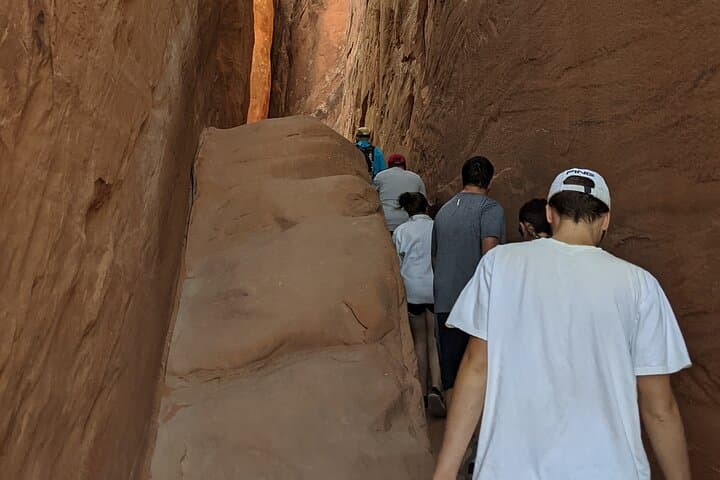
Basic mobility and short walking ability; suitable for people who can handle unpaved surfaces and brief stair-like sections.
The tour includes a timed-entry reservation but not the National Park Service fee; a park pass may already cover you—ask the operator if you need guidance.
Most viewing stops are short and some have paved viewpoints, but the Windows and Double Arch trails include uneven sandstone and steps; contact the operator about accessibility options.
Summer temperatures commonly exceed 90°F (32°C); bring extra water, avoid peak heat, and use sun protection to reduce dehydration risk.
Yes — tours are family-friendly but parents should supervise kids on slickrock and bring adequate water and sun protection.
The park’s arches are sculpted from ancient Navajo Sandstone; Ute and Paiute peoples have long-standing cultural connections to the landscape.
Stick to trails to protect cryptobiotic soil and sparse desert vegetation; pack out waste and minimize footprint to preserve fragile habitats.
Moab In A Day LLC operates guided outdoor trips and adventures with an emphasis on safety, stewardship, and memorable experiences.

You step out of a cool vehicle into a bowl of red rock light — wind tugs at your hat and a wall of Navajo sandstone rises like an opened book. The tour moves deliberately: short walks to viewpoints, a longer loop through the Windows Section and a close-up of Double Arch, each stop a page in the park’s slow geological story.
You step out of a cool vehicle into a bowl of red rock light — wind tugs at your hat and a wall of Navajo sandstone rises like an opened book. The tour moves deliberately: short walks to viewpoints, a longer loop through the Windows Section and a close-up of Double Arch, each stop a page in the park’s slow geological story.
Arches formed as an inland sea’s sediment turned to sandstone, then swelled and slid on buried salt layers; erosion and freeze-thaw carved fins and arches over millions of years. Ute and Paiute people traveled these canyons long before Euro-American surveyors named the features; today the park preserves both geological time and cultural ties.
This small-group option blends roadside viewing with accessible footpaths — expect the Windows Loop to be roughly 1–1.5 miles of uneven slickrock and sand, Double Arch a short 0.2–0.5 mile jaunt, and overall elevation changes under ~200 feet. Guides explain botany — pinyon, juniper, resilient desert shrubs — and point out fragile cryptobiotic soils that demand staying on trail.
Practical edge: the tour lasts about four hours, includes a timed-entry reservation, cold-water refills, and photo-focused stops. Summers are very hot and sun-exposed; mornings and evenings are best for light and cooler temps. Wear sturdy shoes with grip, carry 1–2 liters of water, sun protection and a light layer for wind. Plan for little shade on the hikes and for cameras to be out more than once — Arches rewards the patient and prepared.