THE ADVENTURE COLLECTIVE® · Independent discovery and booking for outdoor travel

Sit ringside as Angampora practitioners demonstrate centuries-old combat: grappling, weapons work and pressure-point methods that shaped Sri Lankan warfare. This short, guided show in Colombo pairs performance with a hands-on primer and hotel pickup for a compact cultural adventure.
Sit ringside as Angampora practitioners demonstrate centuries-old combat: grappling, weapons work and pressure-point methods that shaped Sri Lankan warfare. This short, guided show in Colombo pairs performance with a hands-on primer and hotel pickup for a compact cultural adventure.
You enter a low-ceilinged hall off a Colombo side street where the air is warm and the mat smells faintly of liniment and dust. Fighters kneel, the wood floor creaks, and a hush falls as a teacher demonstrates a wrist lock that looks simple until you feel how it unravels balance.
Verified experiences and guided adventures in the surrounding area.
Operated by Lakpura LLC · Colombo, Western Province
You enter a low-ceilinged hall off a Colombo side street where the air is warm and the mat smells faintly of liniment and dust. Fighters kneel, the wood floor creaks, and a hush falls as a teacher demonstrates a wrist lock that looks simple until you feel how it unravels balance.
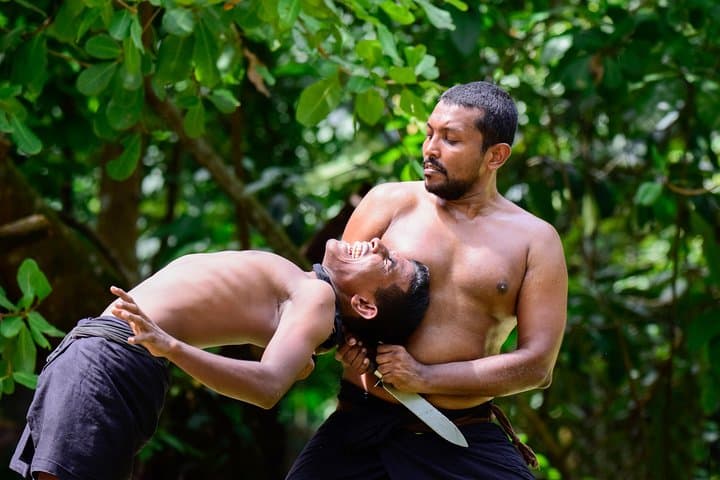
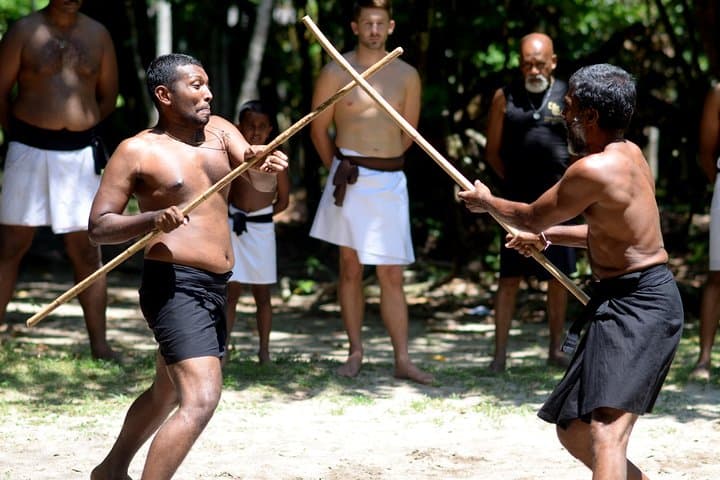
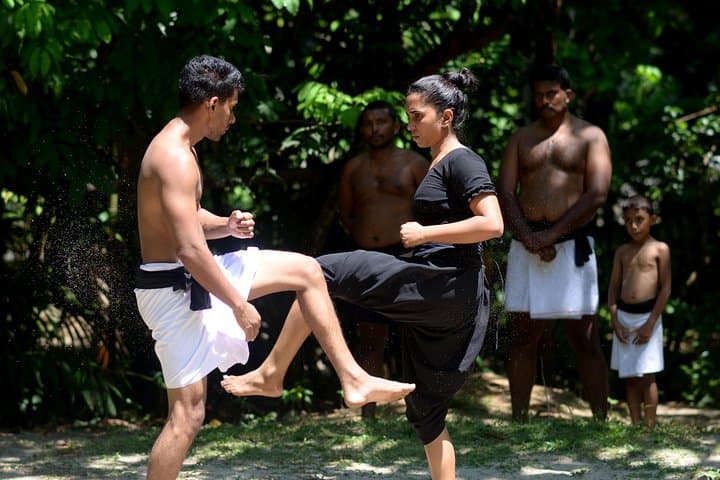
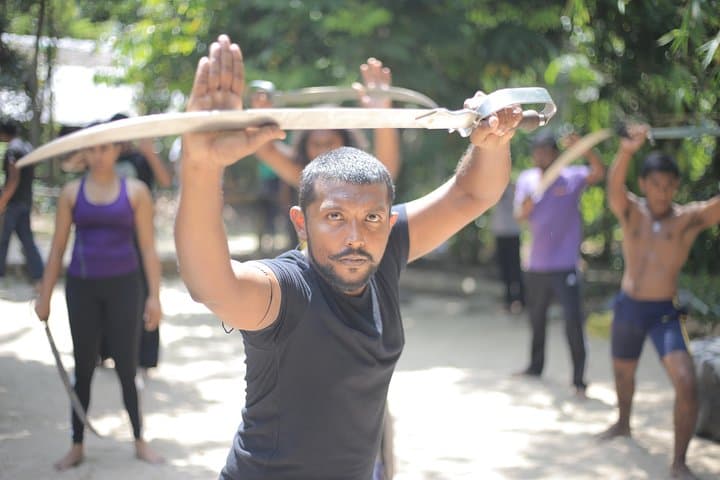
Angampora is an old-school combat system with roots recorded in temple carvings and local chronicles; historians link its techniques to regional warfare and monastic training documented around places like Embekke Devalaya and the Temple of the Tooth. The practice mixes grappling, strikes, pressure-point methods and traditional weapons—knives, staves and swords—many of which trace designs used in Sri Lanka’s medieval conflicts.
The show in Colombo pairs demonstration with context: expect a 45-minute performance of staged knife and stick work, followed by a short hands-on segment where instructors teach basic stance and a defensive drill. It’s family-friendly and physically light for observers, but the contact moves shown are technical—don’t try pressure-point maneuvers without supervision.
Practical notes: tours often include hotel pickup, run about two hours total and are conducted in English. Wear breathable clothes and flat shoes for the practice portion. Photography is usually allowed but ask before close-ups of instructors or students. If you want a deeper lesson, book ahead; many authentic training pits (angam madu) are small and private. Hydrate in Colombo’s heat, arrive with an open, respectful curiosity, and treat the art as living heritage—observe, learn one technique at a time, and leave room to let the tradition speak for itself.
easy.
2 hours.
Suitable for most fitness levels; spectators need no special conditioning, modest mobility helpful for brief participation.
The full experience runs about two hours with roughly 45 minutes of demonstration and a short supervised hands-on segment.
Yes—spectating is family-friendly, but close-contact drills should only involve older children with parental consent and instructor approval.
No prior experience is required; instructors teach basic stances and a simple defensive drill suitable for beginners.
Yes, the tour description includes hotel pick up and drop off within Colombo; confirm your exact pickup point when booking.
Angampora is referenced in historic temple carvings and local chronicles; its techniques were used in regional conflicts and preserved through secretive skill-houses.
A small revival movement works with elders to document techniques; visitors should support authentic schools and avoid exploitative souvenir purchases.
Lakpura LLC operates guided outdoor trips and adventures with an emphasis on safety, stewardship, and memorable experiences.
You enter a low-ceilinged hall off a Colombo side street where the air is warm and the mat smells faintly of liniment and dust. Fighters kneel, the wood floor creaks, and a hush falls as a teacher demonstrates a wrist lock that looks simple until you feel how it unravels balance.
You enter a low-ceilinged hall off a Colombo side street where the air is warm and the mat smells faintly of liniment and dust. Fighters kneel, the wood floor creaks, and a hush falls as a teacher demonstrates a wrist lock that looks simple until you feel how it unravels balance.
Angampora is an old-school combat system with roots recorded in temple carvings and local chronicles; historians link its techniques to regional warfare and monastic training documented around places like Embekke Devalaya and the Temple of the Tooth. The practice mixes grappling, strikes, pressure-point methods and traditional weapons—knives, staves and swords—many of which trace designs used in Sri Lanka’s medieval conflicts.
The show in Colombo pairs demonstration with context: expect a 45-minute performance of staged knife and stick work, followed by a short hands-on segment where instructors teach basic stance and a defensive drill. It’s family-friendly and physically light for observers, but the contact moves shown are technical—don’t try pressure-point maneuvers without supervision.
Practical notes: tours often include hotel pickup, run about two hours total and are conducted in English. Wear breathable clothes and flat shoes for the practice portion. Photography is usually allowed but ask before close-ups of instructors or students. If you want a deeper lesson, book ahead; many authentic training pits (angam madu) are small and private. Hydrate in Colombo’s heat, arrive with an open, respectful curiosity, and treat the art as living heritage—observe, learn one technique at a time, and leave room to let the tradition speak for itself.