THE ADVENTURE COLLECTIVE® · Independent discovery and booking for outdoor travel

Walk through one of the world’s largest informal e‑waste sites and meet the people turning discarded electronics into livelihoods. This guided visit combines on‑the‑ground insights about recycling practices with practical advice for safe, responsible travel.
Walk through one of the world’s largest informal e‑waste sites and meet the people turning discarded electronics into livelihoods. This guided visit combines on‑the‑ground insights about recycling practices with practical advice for safe, responsible travel.
You arrive where the city’s edges fray: a ramshackle grid of metal, smoldering piles and human motion pressed up against the Korle Lagoon. Smoke curls from burn pits, engines clatter, and the air carries the salt and tang of the lagoon—Agbogbloshie greets you like an industrial landscape that refuses to be ignored.
Verified experiences and guided adventures in the surrounding area.
Operated by Best Ghana Tours · Accra, Greater Accra Region
You arrive where the city’s edges fray: a ramshackle grid of metal, smoldering piles and human motion pressed up against the Korle Lagoon. Smoke curls from burn pits, engines clatter, and the air carries the salt and tang of the lagoon—Agbogbloshie greets you like an industrial landscape that refuses to be ignored.
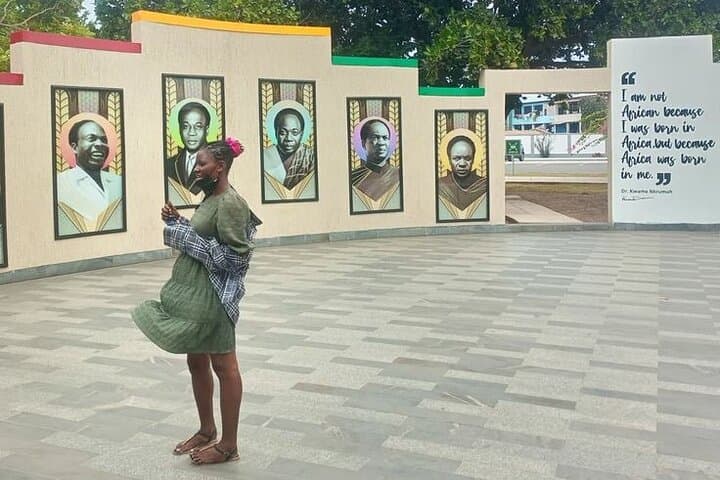
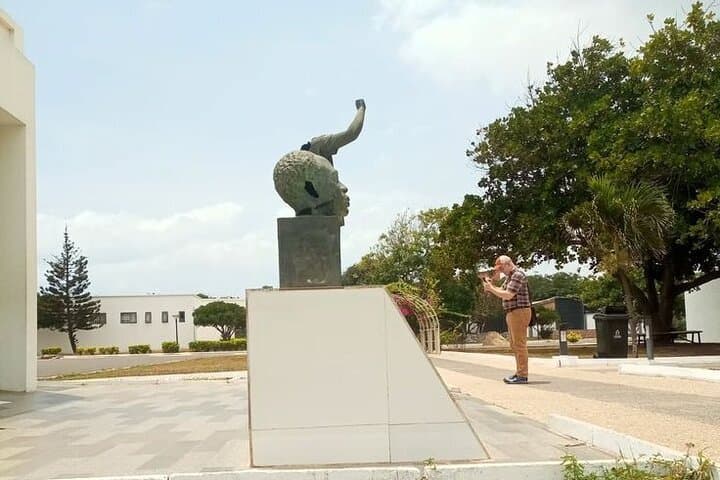
Once a wetland feeding Accra’s fisheries, Agbogbloshie shifted over decades into one of the world’s largest informal electronic recycling sites. The site’s geology—a low-lying coastal plain and reclaimed marsh—magnifies pollution and exposes the trade-offs of urban growth. Culturally, the area is defined by ingenuity: men and women salvage circuit boards, copper and plastics using techniques passed down through local networks. The contrast with nearby Kwame Nkrumah Memorial Park—an emblem of post‑independence aspirations—frames a larger story about global waste flows and economic vulnerability.
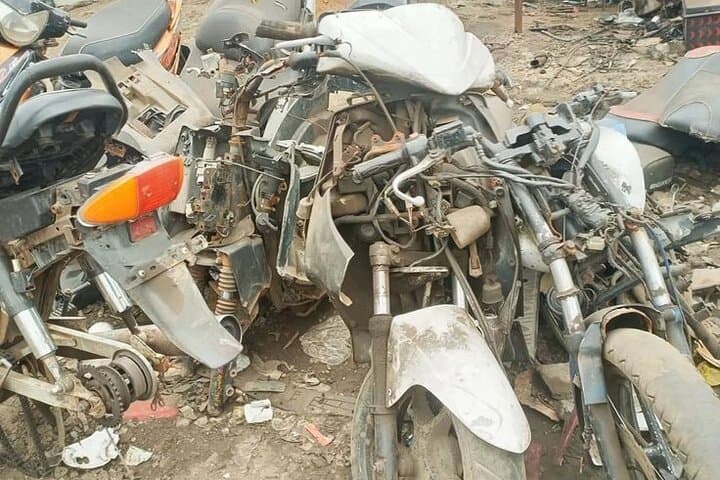
On a guided visit you’ll see dismantling stations, hand‑sorted components, and small workshops adapting materials into resale goods. Guides explain commodity values, health risks, and local circular-economy experiments aiming to formalize recycling. Expect close quarters, strong odors, and active work—respectful behavior and photography etiquette matter.
Practical guidance: wear closed-toe shoes and a respirator or mask, bring bottled water, and allow two to three hours including transport. Morning visits avoid peak heat and heavy smoke; combine the tour with nearby historical sites to understand Accra’s urban layers. This is a learning walk—tough on the senses, essential for anyone trying to comprehend the real cost of our electronics.
easy.
2–3 hours.
Suitable for all fitness levels; requires ability to walk short distances on uneven surfaces
Guided visits are organized to maximize safety—follow your guide, stay in designated areas, and use protective gear; avoid unsupervised wandering.
Photography is usually allowed but always ask individuals first and avoid photographing children near work areas; some sections may be off-limits.
Typical tours run about 2–3 hours including transport, with enough time to view dismantling stations and meet community members.
Older children may gain from the educational aspect, but the environment includes smoke, sharp debris and intense sights—use discretion.
Agbogbloshie sits on reclaimed mangrove and was a productive wetland before rapid urban expansion and international e‑waste flows transformed its economy.
Visitors should support operators who engage local recyclers and community initiatives; reducing demand for disposable electronics and backing formal recycling programs helps long-term health and environmental outcomes.
Best Ghana Tours operates guided outdoor trips and adventures with an emphasis on safety, stewardship, and memorable experiences.
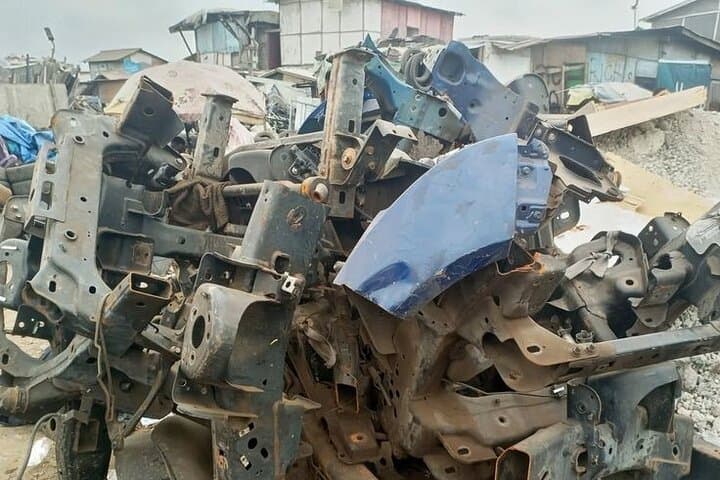
You arrive where the city’s edges fray: a ramshackle grid of metal, smoldering piles and human motion pressed up against the Korle Lagoon. Smoke curls from burn pits, engines clatter, and the air carries the salt and tang of the lagoon—Agbogbloshie greets you like an industrial landscape that refuses to be ignored.
You arrive where the city’s edges fray: a ramshackle grid of metal, smoldering piles and human motion pressed up against the Korle Lagoon. Smoke curls from burn pits, engines clatter, and the air carries the salt and tang of the lagoon—Agbogbloshie greets you like an industrial landscape that refuses to be ignored.
Once a wetland feeding Accra’s fisheries, Agbogbloshie shifted over decades into one of the world’s largest informal electronic recycling sites. The site’s geology—a low-lying coastal plain and reclaimed marsh—magnifies pollution and exposes the trade-offs of urban growth. Culturally, the area is defined by ingenuity: men and women salvage circuit boards, copper and plastics using techniques passed down through local networks. The contrast with nearby Kwame Nkrumah Memorial Park—an emblem of post‑independence aspirations—frames a larger story about global waste flows and economic vulnerability.
On a guided visit you’ll see dismantling stations, hand‑sorted components, and small workshops adapting materials into resale goods. Guides explain commodity values, health risks, and local circular-economy experiments aiming to formalize recycling. Expect close quarters, strong odors, and active work—respectful behavior and photography etiquette matter.
Practical guidance: wear closed-toe shoes and a respirator or mask, bring bottled water, and allow two to three hours including transport. Morning visits avoid peak heat and heavy smoke; combine the tour with nearby historical sites to understand Accra’s urban layers. This is a learning walk—tough on the senses, essential for anyone trying to comprehend the real cost of our electronics.