THE ADVENTURE COLLECTIVE® · Independent discovery and booking for outdoor travel

Walk through one of Africa’s largest e‑waste hubs and meet the young recyclers turning discarded electronics into livelihood. This guided, 2–3 hour tour pairs street market life with a close look at urban waste systems and sustainability challenges.
Walk through one of Africa’s largest e‑waste hubs and meet the young recyclers turning discarded electronics into livelihood. This guided, 2–3 hour tour pairs street market life with a close look at urban waste systems and sustainability challenges.
The smell of burning copper and the clatter of scavenged metal set the scene before you arrive — Agbogbloshie unfolds like a working machine: smoke, motion and improvisation under an equatorial sky.
Verified experiences and guided adventures in the surrounding area.
Operated by Kwame Tours · Accra, Greater Accra
The smell of burning copper and the clatter of scavenged metal set the scene before you arrive — Agbogbloshie unfolds like a working machine: smoke, motion and improvisation under an equatorial sky.
Once a riverside floodplain at the edge of central Accra, this area has become one of Africa’s largest e‑waste processing sites. The tour threads through Makola Market’s color and noise, then drops into a landscape of piled electronics, improvised furnaces and hand‑built workshops where young recyclers repurpose circuit boards and scrap into resaleable parts and artworks.
Geology and hydrology matter here: the Odaw River and reclaimed wetlands shaped settlement patterns, and improper disposal has contaminated soils in places — a reminder of industrial consequences in urban ecosystems. Culturally, the site reflects Ghanaian entrepreneurship and informal economies: careers are built around sorting, soldering and creative reuse.
Practical guidance: the experience mixes driving and walking for about 2–3 hours; expect uneven ground, dust and heat. Wear closed shoes, a hat and a particulate mask if you’re sensitive to smoke. Bring cash for a stop at Makola or small purchases and a camera but ask permission before photographing people at work. The guide provides context on waste flows, local recycling techniques and what responsible disposal looks like back home.
This is an educational, urban field trip that challenges assumptions about consumption while spotlighting grassroots innovation — useful for travelers interested in sustainability, urban studies, or hands‑on social realities of global waste.
easy.
2–3 hours.
Suitable for most fitness levels; involves short walks on uneven, dusty ground and brief standing periods
Visits are generally safe with a licensed guide; follow local guidance, wear protective footwear, and avoid touching active burning or hazardous materials.
Yes — the tour includes walking near workshops and salvaging sites where people sort, dismantle and repurpose electronics; some processes involve smoke and manual burning.
Photography is allowed but please ask individuals and workshop operators for permission first; guides will advise on sensitive areas to avoid.
The itinerary usually includes a stop at Makola Market where restrooms and street food/snack options are available; bring small change for purchases.
Agbogbloshie grew from floodplain and informal settlement into a global e‑waste hub over recent decades, shaped by urban migration and the international flow of discarded electronics.
The area faces soil and air contamination risks; tours emphasize community recycling efforts and advocate for responsible e‑waste disposal and producer accountability.
Kwame Tours operates guided outdoor trips and adventures with an emphasis on safety, stewardship, and memorable experiences.
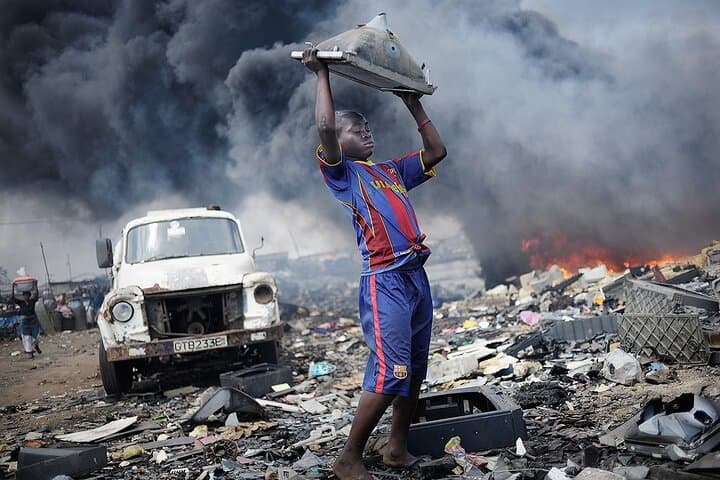
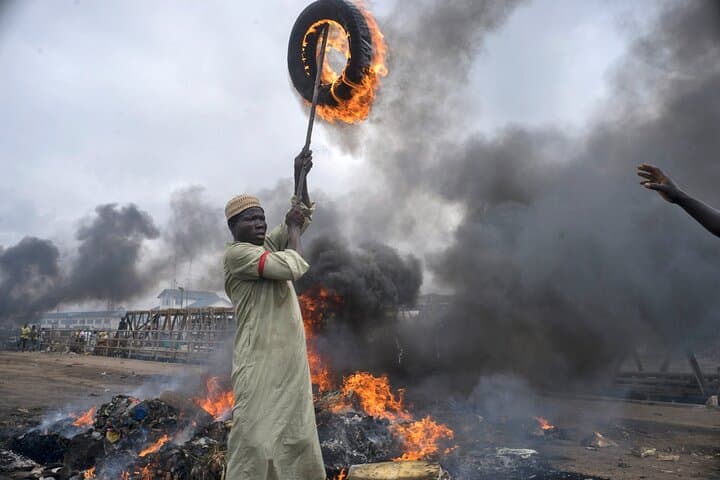
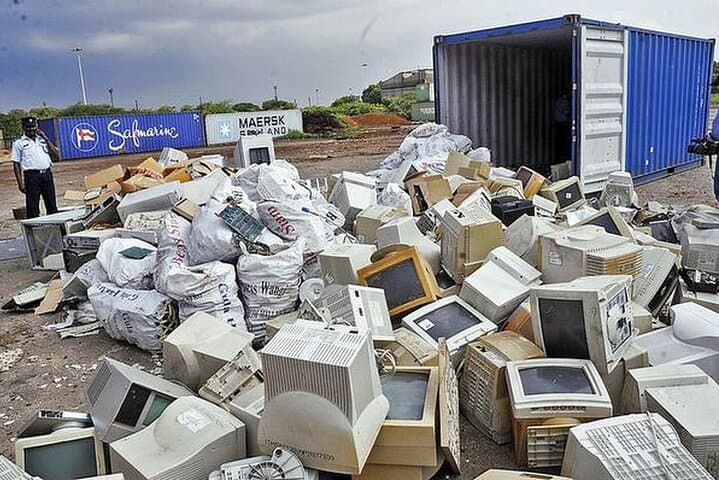
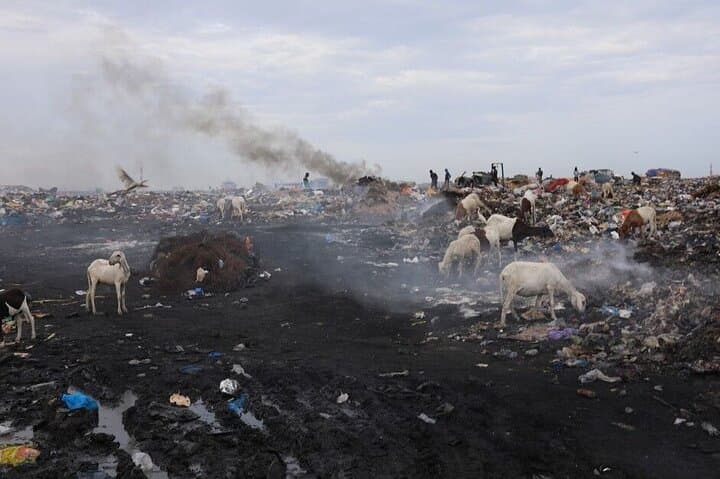
The smell of burning copper and the clatter of scavenged metal set the scene before you arrive — Agbogbloshie unfolds like a working machine: smoke, motion and improvisation under an equatorial sky.
The smell of burning copper and the clatter of scavenged metal set the scene before you arrive — Agbogbloshie unfolds like a working machine: smoke, motion and improvisation under an equatorial sky.
Once a riverside floodplain at the edge of central Accra, this area has become one of Africa’s largest e‑waste processing sites. The tour threads through Makola Market’s color and noise, then drops into a landscape of piled electronics, improvised furnaces and hand‑built workshops where young recyclers repurpose circuit boards and scrap into resaleable parts and artworks.
Geology and hydrology matter here: the Odaw River and reclaimed wetlands shaped settlement patterns, and improper disposal has contaminated soils in places — a reminder of industrial consequences in urban ecosystems. Culturally, the site reflects Ghanaian entrepreneurship and informal economies: careers are built around sorting, soldering and creative reuse.
Practical guidance: the experience mixes driving and walking for about 2–3 hours; expect uneven ground, dust and heat. Wear closed shoes, a hat and a particulate mask if you’re sensitive to smoke. Bring cash for a stop at Makola or small purchases and a camera but ask permission before photographing people at work. The guide provides context on waste flows, local recycling techniques and what responsible disposal looks like back home.
This is an educational, urban field trip that challenges assumptions about consumption while spotlighting grassroots innovation — useful for travelers interested in sustainability, urban studies, or hands‑on social realities of global waste.