THE ADVENTURE COLLECTIVE® · Independent discovery and booking for outdoor travel

Spend a half day at Agadir’s Crocoparc—home to roughly 300 crocodiles, large anacondas, and lush botanical sections—complete with hotel transfer and accessible paths. Ideal for families and wildlife fans seeking an easy, photo‑friendly wildlife stop near Agadir.
Spend a half day at Agadir’s Crocoparc—home to roughly 300 crocodiles, large anacondas, and lush botanical sections—complete with hotel transfer and accessible paths. Ideal for families and wildlife fans seeking an easy, photo‑friendly wildlife stop near Agadir.
You step out of the air‑conditioned vehicle and the desert heat gives way to damp shade and the low, patient hiss of reptiles—Agadir’s Crocoparc feels almost intentional in contrast to the city’s coastal glare.
Verified experiences and guided adventures in the surrounding area.
Operated by Agadir Journey · Agadir, Souss-Massa
You step out of the air‑conditioned vehicle and the desert heat gives way to damp shade and the low, patient hiss of reptiles—Agadir’s Crocoparc feels almost intentional in contrast to the city’s coastal glare.
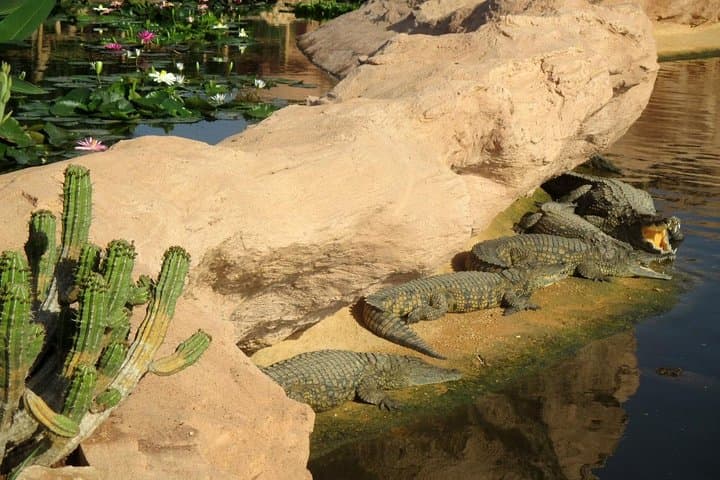
Opened in the mid‑2000s on the outskirts of Agadir, the park was created to house rescued Nile crocodiles and to display reptiles rarely seen in Morocco alongside a curated botanical garden of drought‑tolerant palms, succulents and imported tropicals. The landscape sits on coastal plain soils drained toward the Atlantic; rock outcrops are sparse but the planted terraces push a pocket of green against the city’s sunbaked geometry.
Culturally, the park reflects southern Morocco’s practical relationship with land—argan trees and Sahara‑adapted species show what grows here, while nearby Agadir is a modern port-city rebuilt after the 1960 earthquake; the park provides a quieter counterpart to the medina and beachfront.
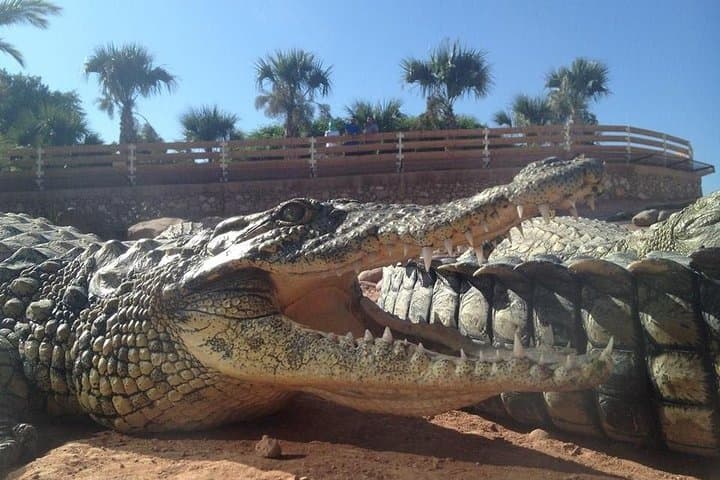
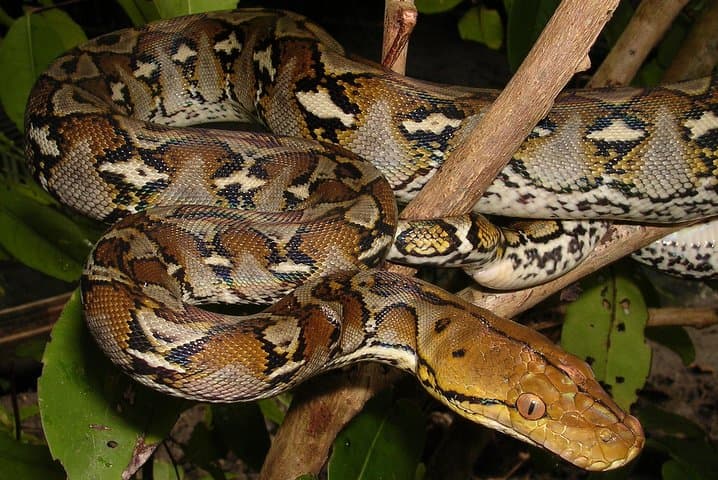
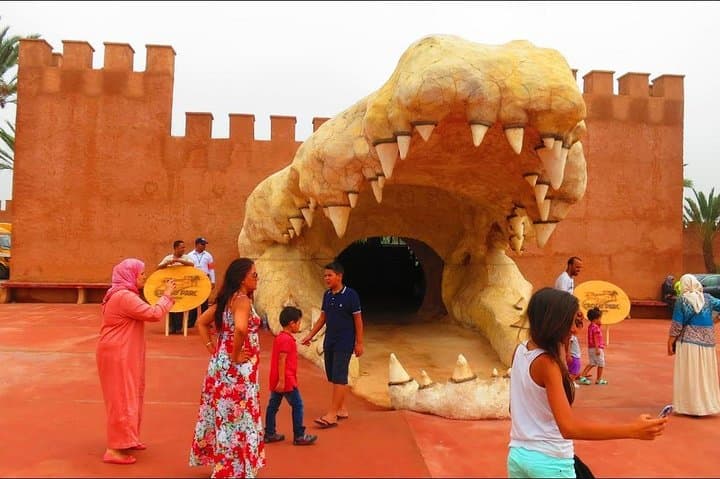
Expect up to three hours on site: photo opportunities at the gates, walkthrough exhibits that include about 300 crocodiles, a frog house, and displays of large anacondas. Pathways are mostly compacted soil and boardwalks, with ramps and accessible routes. Guides and licensed drivers handle transfers from central Agadir or Taghazout; the tour is suitable for most ages and fitness levels.
Practical tips: visit in the morning to avoid the midday sun, carry water and sun protection, obey staff around enclosures, and bring a mid‑zoom lens for animal portraits. The experience is a compact, family‑friendly wildlife stop that pairs easily with a half‑day of coastal exploration.
easy.
2–3 hours.
Suitable for most fitness levels; mostly short, flat walks on compacted paths and boardwalks.
The tour includes up to three hours of free time inside the park plus transfer time; total door‑to‑door is typically about three hours.
Yes—paths, entrances and transport options are listed as wheelchair and stroller accessible.
Photography is allowed; souvenir photos and guided photo ops are offered but follow staff instructions and maintain safety distances.
Yes—hotel pickup and drop‑off in Agadir or Taghazout are included with the transfer option on booking.
The park was developed in the 2000s as a private conservation and educational site near Agadir, providing a refuge for rescued crocodiles and a public botanical display near the Atlantic coast.
The park emphasizes captive care and education; visitors should avoid feeding animals and support on‑site conservation messaging to minimize human impact.
Agadir Journey operates guided outdoor trips and adventures with an emphasis on safety, stewardship, and memorable experiences.
You step out of the air‑conditioned vehicle and the desert heat gives way to damp shade and the low, patient hiss of reptiles—Agadir’s Crocoparc feels almost intentional in contrast to the city’s coastal glare.
You step out of the air‑conditioned vehicle and the desert heat gives way to damp shade and the low, patient hiss of reptiles—Agadir’s Crocoparc feels almost intentional in contrast to the city’s coastal glare.
Opened in the mid‑2000s on the outskirts of Agadir, the park was created to house rescued Nile crocodiles and to display reptiles rarely seen in Morocco alongside a curated botanical garden of drought‑tolerant palms, succulents and imported tropicals. The landscape sits on coastal plain soils drained toward the Atlantic; rock outcrops are sparse but the planted terraces push a pocket of green against the city’s sunbaked geometry.
Culturally, the park reflects southern Morocco’s practical relationship with land—argan trees and Sahara‑adapted species show what grows here, while nearby Agadir is a modern port-city rebuilt after the 1960 earthquake; the park provides a quieter counterpart to the medina and beachfront.
Expect up to three hours on site: photo opportunities at the gates, walkthrough exhibits that include about 300 crocodiles, a frog house, and displays of large anacondas. Pathways are mostly compacted soil and boardwalks, with ramps and accessible routes. Guides and licensed drivers handle transfers from central Agadir or Taghazout; the tour is suitable for most ages and fitness levels.
Practical tips: visit in the morning to avoid the midday sun, carry water and sun protection, obey staff around enclosures, and bring a mid‑zoom lens for animal portraits. The experience is a compact, family‑friendly wildlife stop that pairs easily with a half‑day of coastal exploration.