THE ADVENTURE COLLECTIVE® · Independent discovery and booking for outdoor travel

Fly from Cairo to Aswan for a private full-day visit to Abu Simbel’s colossal temples. Experience the scale and history of Ramesses II with a guided walkthrough of relocated monuments and practical guidance for a long but manageable day trip.
Fly from Cairo to Aswan for a private full-day visit to Abu Simbel’s colossal temples. Experience the scale and history of Ramesses II with a guided walkthrough of relocated monuments and practical guidance for a long but manageable day trip.
Sunlight slices across the low desert and the façades of Ramesses II stare back, larger than life above the still waters of Lake Nasser. On a private full-day flight from Cairo, travelers step from airport hum into a hush that settles around two monolithic rock-cut temples—an encounter that feels equal parts archaeological theater and engineered spectacle.
Verified experiences and guided adventures in the surrounding area.
Operated by Hesham Egypt tour guide · Abu Simbel, Aswan Governorate
Sunlight slices across the low desert and the façades of Ramesses II stare back, larger than life above the still waters of Lake Nasser. On a private full-day flight from Cairo, travelers step from airport hum into a hush that settles around two monolithic rock-cut temples—an encounter that feels equal parts archaeological theater and engineered spectacle.
The temples were carved during the reign of Ramesses II (1290–1223 BC) and dedicated to the gods Amun, Ra-Horakhty and Ptah, plus the deified pharaoh himself. Their present perch above Lake Nasser is a mid-20th-century relocation success story: UNESCO-led teams dismantled and rebuilt the site in the 1960s to save it from the Aswan High Dam’s rising waters. The surrounding sandstone ranges bear the quiet abrasion of millennia; gulls and migratory waterfowl use the lake like a mirror that dares the desert to feel permanent.
A private guide narrates carved reliefs, royal iconography and the optical drama of the sun festival—when light pierces the inner sanctuary twice a year. Practicalities dominate the day: a domestic flight to Aswan, a private car to Abu Simbel, site entry and roughly two hours on the terraces and in the colonnades.
Plan for intense sun and dust: wide-brim hat, sunscreen and a reusable water bottle are non-negotiable. Expect straightforward walking on flat, sandy paths and steps; the pace is relaxed but the timeline is tight—most of the day is transit. Bring a camera with a mid-range zoom, a photocopy of your passport, and patience for airport formalities. This is cultural spectacle with logistical edges—grand, accessible and best seen with a guide who knows both pharaonic history and modern conservation.
easy.
10 hours.
Suitable for most fitness levels; involves walking on flat and stepped terrain for 1–2 hours.
No—entrance fees to Abu Simbel are typically not included in the base tour price; confirm with the operator and carry local currency.
The road transfer from Aswan to Abu Simbel takes roughly 3–4 hours round trip within the day's itinerary; the tour allocates about two hours at the temples.
Access includes paved and sandy paths and a series of steps; some areas may be challenging—contact the operator ahead to arrange closer drop-offs or assistance.
The interior solar alignment occurs around February 22 and October 22 each year, lighting key statues in the inner sanctuary; exact dates can shift and are best confirmed locally.
The twin temples were carved under Ramesses II and were famously relocated block-by-block in the 1960s to escape inundation from the Aswan High Dam.
The relocation was an early international conservation milestone; visitors should stay on paths, avoid touching reliefs and support local guides to minimize impact.
Hesham Egypt tour guide operates guided outdoor trips and adventures with an emphasis on safety, stewardship, and memorable experiences.
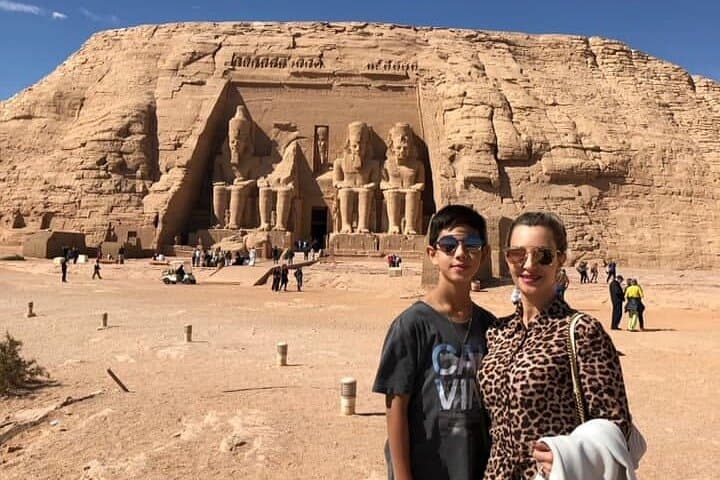
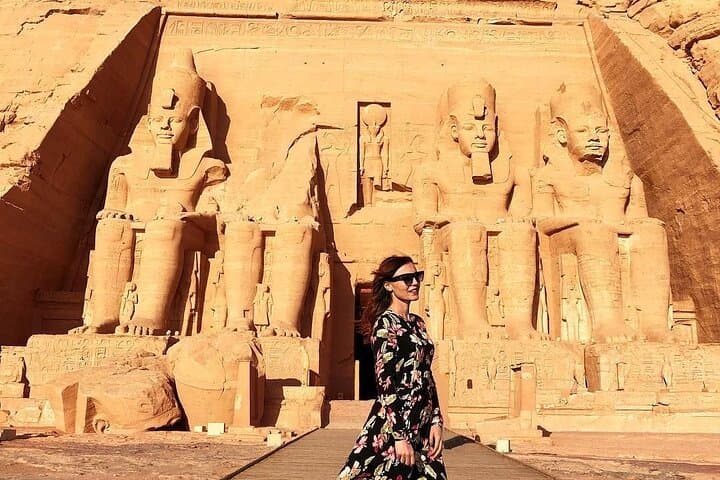
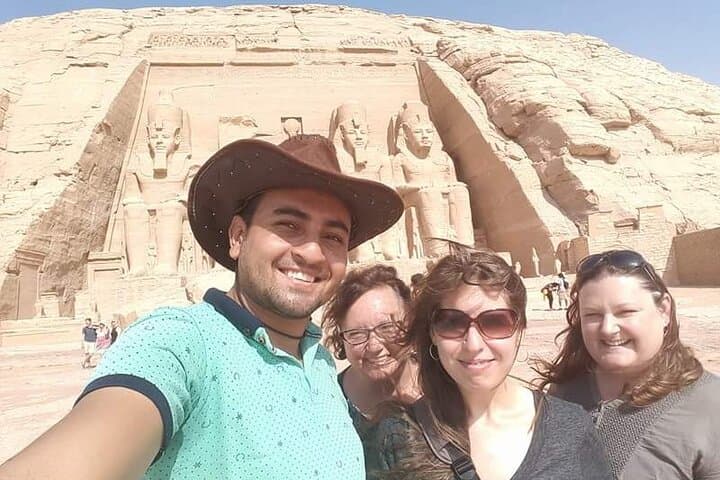
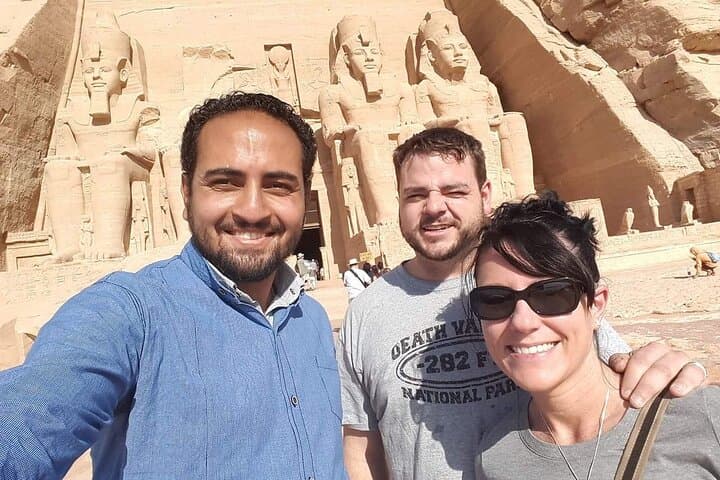
Sunlight slices across the low desert and the façades of Ramesses II stare back, larger than life above the still waters of Lake Nasser. On a private full-day flight from Cairo, travelers step from airport hum into a hush that settles around two monolithic rock-cut temples—an encounter that feels equal parts archaeological theater and engineered spectacle.
Sunlight slices across the low desert and the façades of Ramesses II stare back, larger than life above the still waters of Lake Nasser. On a private full-day flight from Cairo, travelers step from airport hum into a hush that settles around two monolithic rock-cut temples—an encounter that feels equal parts archaeological theater and engineered spectacle.
The temples were carved during the reign of Ramesses II (1290–1223 BC) and dedicated to the gods Amun, Ra-Horakhty and Ptah, plus the deified pharaoh himself. Their present perch above Lake Nasser is a mid-20th-century relocation success story: UNESCO-led teams dismantled and rebuilt the site in the 1960s to save it from the Aswan High Dam’s rising waters. The surrounding sandstone ranges bear the quiet abrasion of millennia; gulls and migratory waterfowl use the lake like a mirror that dares the desert to feel permanent.
A private guide narrates carved reliefs, royal iconography and the optical drama of the sun festival—when light pierces the inner sanctuary twice a year. Practicalities dominate the day: a domestic flight to Aswan, a private car to Abu Simbel, site entry and roughly two hours on the terraces and in the colonnades.
Plan for intense sun and dust: wide-brim hat, sunscreen and a reusable water bottle are non-negotiable. Expect straightforward walking on flat, sandy paths and steps; the pace is relaxed but the timeline is tight—most of the day is transit. Bring a camera with a mid-range zoom, a photocopy of your passport, and patience for airport formalities. This is cultural spectacle with logistical edges—grand, accessible and best seen with a guide who knows both pharaonic history and modern conservation.