THE ADVENTURE COLLECTIVE® · Independent discovery and booking for outdoor travel

Spend a thoughtful morning or afternoon in a Vietnamese nursing home outside central Hanoi. Participate in daily activities, meet residents and caregivers, and learn about local approaches to elder care in a low-key, respectful setting.
Spend a thoughtful morning or afternoon in a Vietnamese nursing home outside central Hanoi. Participate in daily activities, meet residents and caregivers, and learn about local approaches to elder care in a low-key, respectful setting.
You step off the motorbike into a courtyard where the city’s roar thins to distant traffic and ordinary conversation takes up the room. Sun lights a row of plastic chairs; a radio hums a familiar melody. Staff move with practiced calm, and residents watch with an easy, measured curiosity—this is a place of daily rituals more than spectacle.
Verified experiences and guided adventures in the surrounding area.
Operated by S.E.A Wander Travel · Hanoi, Hanoi
You step off the motorbike into a courtyard where the city’s roar thins to distant traffic and ordinary conversation takes up the room. Sun lights a row of plastic chairs; a radio hums a familiar melody. Staff move with practiced calm, and residents watch with an easy, measured curiosity—this is a place of daily rituals more than spectacle.
Hanoi’s suburban nursing homes reflect broader shifts in Vietnamese family structures: as younger generations urbanize, institutional care has grown alongside traditional family support. The buildings are simple—concrete blocks, shaded courtyards—shaped by practical needs more than design; geology here is low, flat river plain, so the architecture responds to heat and monsoon cycles rather than elevation.
Culturally, visits are quiet exchanges: a shared cup of tea, joining morning exercises, or listening to life stories about the city before and after major 20th-century changes. Expect candid conversations about aging, healthcare, and community; staff dedication is visible in small routines. Local insight: mornings often carry the liveliest programming—sing-alongs, knitting groups, and communal meals.
Practical guidance: book a private visit with an English-speaking guide, arrive on time, wear modest, comfortable clothing, and carry a simple offering (fruits or stationery are welcome). The experience is low-physical but emotionally direct—be ready to listen and follow staff directions for hygiene and interaction. Allow two to three hours for participation and debrief. Hydrate before you go—the space can be warm—and bring hand sanitizer. This is not a tourist attraction but a respectful cultural exchange; your preparation shapes the quality of the visit.
easy.
2–3 hours.
Suitable for most fitness levels; the visit involves light movement and seated interactions.
Families may join but check with the operator first; some activities are better suited to older children who can sit quietly and follow directions.
Yes, but ask staff about preferred items—practical goods like non-perishable snacks, stationery, or toiletries are usually helpful.
No special vaccinations are required, but do not visit if you are sick; follow staff hygiene protocols to protect residents.
Always ask permission before photographing residents—many prefer not to be photographed and staff will guide appropriate behavior.
Formal elder-care institutions expanded in Vietnam during late 20th-century urbanization as families shifted to city work; many homes blend traditional respect for elders with modern caregiving practices.
Visits should prioritize minimal environmental impact and respect for resident privacy; bring no single-use plastics beyond what’s necessary and follow staff guidance on donations.
S.E.A Wander Travel operates guided outdoor trips and adventures with an emphasis on safety, stewardship, and memorable experiences.
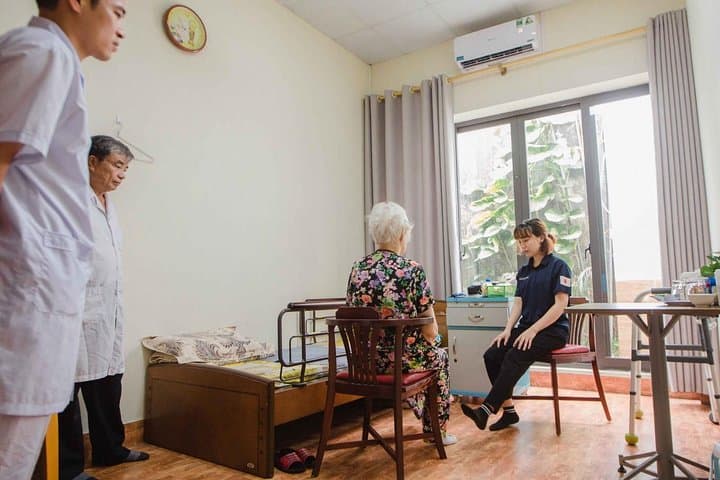
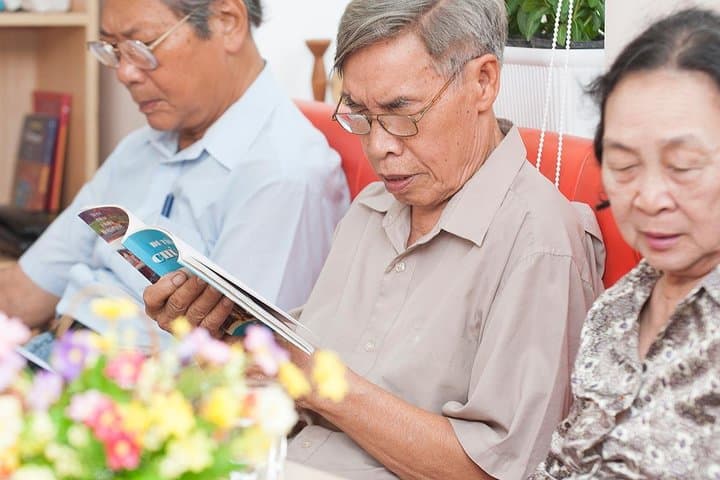
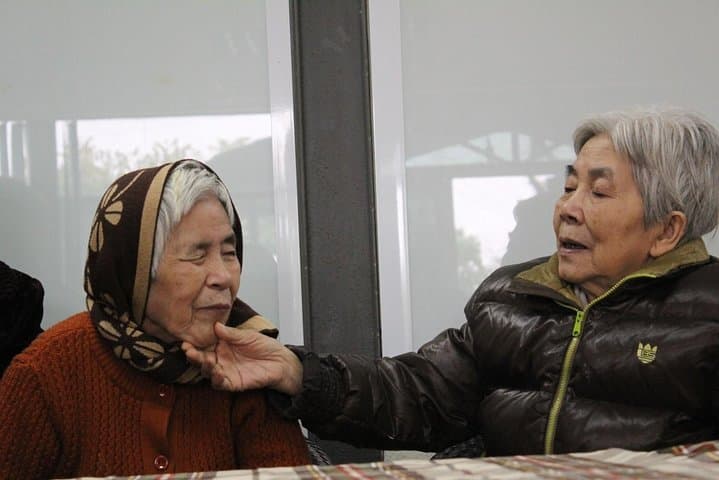
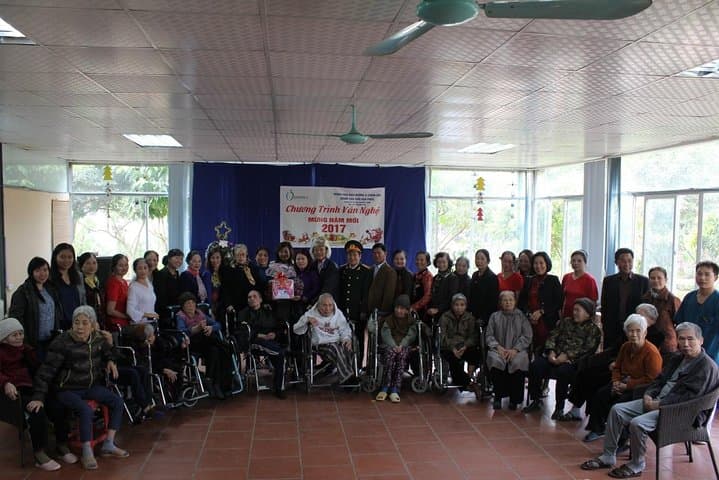
You step off the motorbike into a courtyard where the city’s roar thins to distant traffic and ordinary conversation takes up the room. Sun lights a row of plastic chairs; a radio hums a familiar melody. Staff move with practiced calm, and residents watch with an easy, measured curiosity—this is a place of daily rituals more than spectacle.
You step off the motorbike into a courtyard where the city’s roar thins to distant traffic and ordinary conversation takes up the room. Sun lights a row of plastic chairs; a radio hums a familiar melody. Staff move with practiced calm, and residents watch with an easy, measured curiosity—this is a place of daily rituals more than spectacle.
Hanoi’s suburban nursing homes reflect broader shifts in Vietnamese family structures: as younger generations urbanize, institutional care has grown alongside traditional family support. The buildings are simple—concrete blocks, shaded courtyards—shaped by practical needs more than design; geology here is low, flat river plain, so the architecture responds to heat and monsoon cycles rather than elevation.
Culturally, visits are quiet exchanges: a shared cup of tea, joining morning exercises, or listening to life stories about the city before and after major 20th-century changes. Expect candid conversations about aging, healthcare, and community; staff dedication is visible in small routines. Local insight: mornings often carry the liveliest programming—sing-alongs, knitting groups, and communal meals.
Practical guidance: book a private visit with an English-speaking guide, arrive on time, wear modest, comfortable clothing, and carry a simple offering (fruits or stationery are welcome). The experience is low-physical but emotionally direct—be ready to listen and follow staff directions for hygiene and interaction. Allow two to three hours for participation and debrief. Hydrate before you go—the space can be warm—and bring hand sanitizer. This is not a tourist attraction but a respectful cultural exchange; your preparation shapes the quality of the visit.