THE ADVENTURE COLLECTIVE® · Independent discovery and booking for outdoor travel

Watch an intimate morning sumo practice in Tokyo and witness the ritualized drills, dohyo preparation, and communal discipline of wrestlers up close. Learn etiquette, timing, and what to expect when visiting a working stable.
Watch an intimate morning sumo practice in Tokyo and witness the ritualized drills, dohyo preparation, and communal discipline of wrestlers up close. Learn etiquette, timing, and what to expect when visiting a working stable.
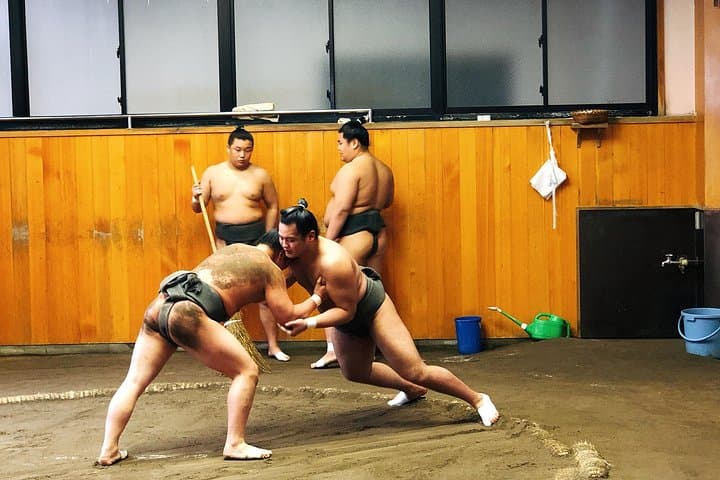
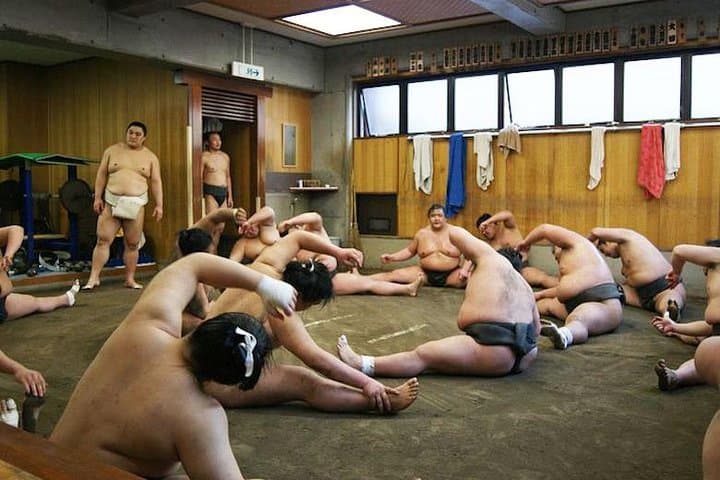
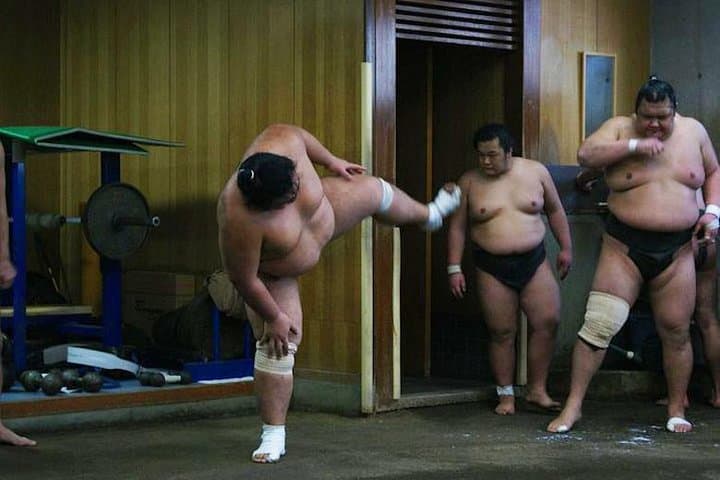
The street is quiet before dawn; sliding shop shutters clack, steam from a nearby noodle stall drifts across the alley, and the low thud of footwork carries from within a wooden building. Inside a sumo stable the air is concentrated—sweat, rice, and cedar—while wrestlers move through a strict rhythm of shiko stomps and pushing drills that shape bodies and customs alike.
Verified experiences and guided adventures in the surrounding area.
Operated by Beauty of Japan · Tokyo, Tokyo
The street is quiet before dawn; sliding shop shutters clack, steam from a nearby noodle stall drifts across the alley, and the low thud of footwork carries from within a wooden building. Inside a sumo stable the air is concentrated—sweat, rice, and cedar—while wrestlers move through a strict rhythm of shiko stomps and pushing drills that shape bodies and customs alike.
Sumo's roots stretch centuries back to Edo-period ritual and public spectacle. The ring, or dohyo, is not cosmetic: it’s built from packed clay and covered in sand, a simple geology that defines where tradition is performed. Wrestlers live communally, governed by ritual etiquette—salt tosses, ceremonial clapping, and an order that organizes each practice session.
Visitors observe from the edges: sitting on the floor, staying silent, and watching intensity sharpen into moments of ceremony. Many stables limit access to preserve training focus; sessions vary seasonally and shrink during tournament months. Photographs are allowed only under strict rules—no flash and often only after practice. This is less a show than an invitation to witness discipline.
Practical guidance: expect 60–90 minutes, often shorter during tournament season; arrive slightly early, be prepared to sit on tatami or cushions, and follow your guide’s instructions precisely. Wear conservative clothing, remove shoes, and leave strong fragrances at home. Combine the visit with a stop at Ryogoku Kokugikan or the Sumo Museum to add context. For travelers seeking a direct, human-powered encounter with Japanese heritage, a morning at a stable is a clear, disciplined window into a living tradition.
easy.
60–90 minutes.
Minimal physical fitness required but participants must be able to sit on the floor for an extended period.
Not all stables accept visitors—access is limited and arranged through guides; confirm your booking and follow the stable’s rules.
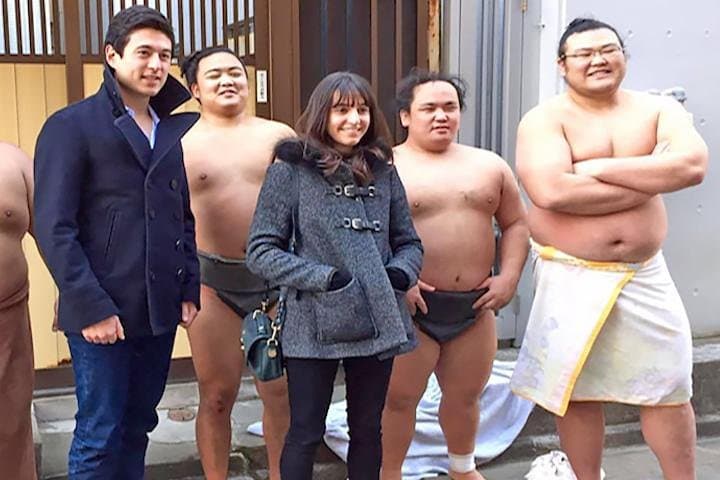
Photography is restricted: no flash, often no photos during training; your guide will explain what is permitted, and staged photos may be allowed at the end.
Minimum age is generally 13 for this tour; children under that age are typically not permitted due to the setting and seating requirements.
Practices are shortened or canceled around major tournaments (January, May, September in Tokyo); schedules are confirmed closer to the date and changes are common.
Modern professional sumo developed in the Edo period; many rituals performed today derive from earlier Shinto and court practices.
Stables restrict visitor numbers to protect training focus and wrestlers’ routines; follow rules to minimize cultural disturbance and support preservation.
Beauty of Japan operates guided outdoor trips and adventures with an emphasis on safety, stewardship, and memorable experiences.
The street is quiet before dawn; sliding shop shutters clack, steam from a nearby noodle stall drifts across the alley, and the low thud of footwork carries from within a wooden building. Inside a sumo stable the air is concentrated—sweat, rice, and cedar—while wrestlers move through a strict rhythm of shiko stomps and pushing drills that shape bodies and customs alike.
The street is quiet before dawn; sliding shop shutters clack, steam from a nearby noodle stall drifts across the alley, and the low thud of footwork carries from within a wooden building. Inside a sumo stable the air is concentrated—sweat, rice, and cedar—while wrestlers move through a strict rhythm of shiko stomps and pushing drills that shape bodies and customs alike.
Sumo's roots stretch centuries back to Edo-period ritual and public spectacle. The ring, or dohyo, is not cosmetic: it’s built from packed clay and covered in sand, a simple geology that defines where tradition is performed. Wrestlers live communally, governed by ritual etiquette—salt tosses, ceremonial clapping, and an order that organizes each practice session.
Visitors observe from the edges: sitting on the floor, staying silent, and watching intensity sharpen into moments of ceremony. Many stables limit access to preserve training focus; sessions vary seasonally and shrink during tournament months. Photographs are allowed only under strict rules—no flash and often only after practice. This is less a show than an invitation to witness discipline.
Practical guidance: expect 60–90 minutes, often shorter during tournament season; arrive slightly early, be prepared to sit on tatami or cushions, and follow your guide’s instructions precisely. Wear conservative clothing, remove shoes, and leave strong fragrances at home. Combine the visit with a stop at Ryogoku Kokugikan or the Sumo Museum to add context. For travelers seeking a direct, human-powered encounter with Japanese heritage, a morning at a stable is a clear, disciplined window into a living tradition.