THE ADVENTURE COLLECTIVE® · Independent discovery and booking for outdoor travel

Step inside a woman‑led coir workshop near Galle for a hands‑on, 75‑minute tour that explains how 100% natural coconut fiber becomes scrubbers and pot‑holders. Learn the craft, the social impact, and practical tips before you shop.
Step inside a woman‑led coir workshop near Galle for a hands‑on, 75‑minute tour that explains how 100% natural coconut fiber becomes scrubbers and pot‑holders. Learn the craft, the social impact, and practical tips before you shop.
Morning light filters through a narrow yard of drying coir and palms, and the air holds the faint, warm scent of coconut fiber and soap. Visitors step from the leafy street into a small workshop where women at low benches shape scrubbers and pot-holders with practiced hands; the rhythm of weaving is steady, human and deliberate.
Verified experiences and guided adventures in the surrounding area.
Operated by Great Whales · Galle, Southern Province
Morning light filters through a narrow yard of drying coir and palms, and the air holds the faint, warm scent of coconut fiber and soap. Visitors step from the leafy street into a small workshop where women at low benches shape scrubbers and pot-holders with practiced hands; the rhythm of weaving is steady, human and deliberate.
Coir — the fibrous husk of the coconut — has powered cottage industries along Sri Lanka’s southern coast for generations. Galle itself is a port city layered with Dutch and British trading history; today small manufacturers convert local raw material into eco-friendly household goods that travel beyond the island.
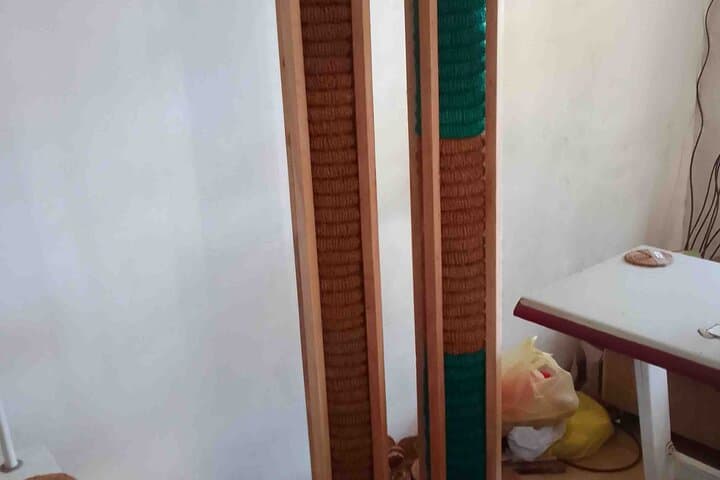
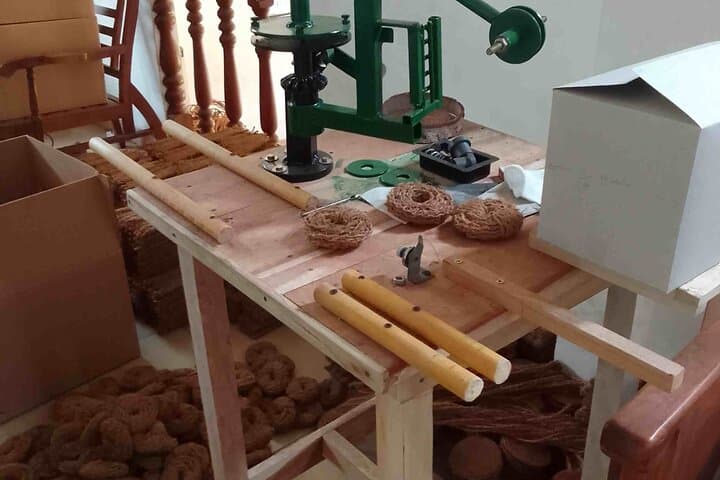
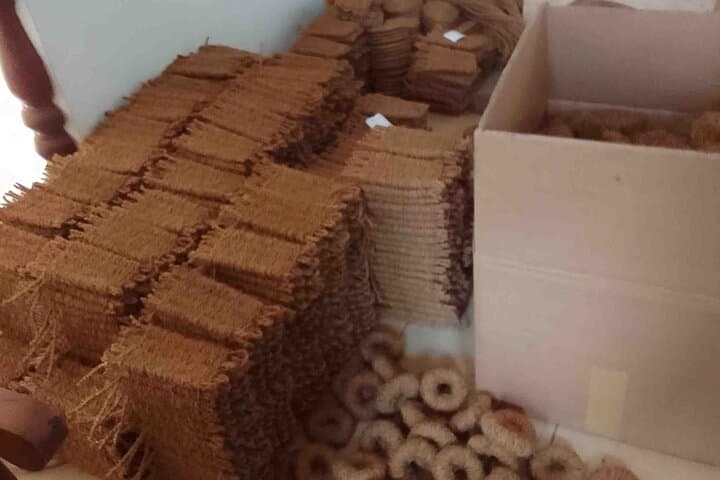
The factory tour is a focused, 75-minute walkthrough: a short orientation, a demonstration of five product lines (scrubbers, cleaning mats, cleaning discs, pot-holders), and time to ask questions and shop. Photography and video are not permitted during production, a practice that protects workers’ privacy and proprietary techniques.
Expect an intimate, educational visit that highlights social impact — this is a woman-led enterprise that channels income to rural communities. The tour won regional recognition for entrepreneurship and emphasizes low-waste production.
Practical notes: wear closed-toe shoes and comfortable clothing; the floor can be uneven and work areas are compact. Bring cash for small purchases and plan transport ahead — public options exist but timing matters. Hydrate before you arrive; bottled refreshments are usually provided. The visit pairs well with a stroll on Galle’s ramparts or a quick stop in nearby Unawatuna for those building a day around local crafts and coastline.
easy.
1–1.5 hours.
Suitable for all fitness levels; requires light standing and short walking inside the facility.
No — photos and video are prohibited on the production floor to protect workers’ privacy and proprietary processes; exterior or shop photos may be permitted with staff permission.
Yes — finished scrubbers and pot‑holders are sold at the workshop; cash and card options vary, so bring small bills to be safe.
Yes — the tour is family‑friendly, but infants must sit on laps and young children should be supervised around tools and work areas.
The workshop is a short drive from central Galle; public transport options exist but arranging a tuk‑tuk or taxi gives the most reliable timing for a 75‑minute private visit.
Coir production draws on a long Sri Lankan tradition of coconut‑based crafts; Galle’s port history helped connect these local goods to regional markets during colonial trade eras.
Coir is a biodegradable alternative to synthetic scrubbers and supports low‑waste manufacturing; favor purchases with minimal plastic packaging to reduce environmental impact.
Great Whales operates guided outdoor trips and adventures with an emphasis on safety, stewardship, and memorable experiences.

Morning light filters through a narrow yard of drying coir and palms, and the air holds the faint, warm scent of coconut fiber and soap. Visitors step from the leafy street into a small workshop where women at low benches shape scrubbers and pot-holders with practiced hands; the rhythm of weaving is steady, human and deliberate.
Morning light filters through a narrow yard of drying coir and palms, and the air holds the faint, warm scent of coconut fiber and soap. Visitors step from the leafy street into a small workshop where women at low benches shape scrubbers and pot-holders with practiced hands; the rhythm of weaving is steady, human and deliberate.
Coir — the fibrous husk of the coconut — has powered cottage industries along Sri Lanka’s southern coast for generations. Galle itself is a port city layered with Dutch and British trading history; today small manufacturers convert local raw material into eco-friendly household goods that travel beyond the island.
The factory tour is a focused, 75-minute walkthrough: a short orientation, a demonstration of five product lines (scrubbers, cleaning mats, cleaning discs, pot-holders), and time to ask questions and shop. Photography and video are not permitted during production, a practice that protects workers’ privacy and proprietary techniques.
Expect an intimate, educational visit that highlights social impact — this is a woman-led enterprise that channels income to rural communities. The tour won regional recognition for entrepreneurship and emphasizes low-waste production.
Practical notes: wear closed-toe shoes and comfortable clothing; the floor can be uneven and work areas are compact. Bring cash for small purchases and plan transport ahead — public options exist but timing matters. Hydrate before you arrive; bottled refreshments are usually provided. The visit pairs well with a stroll on Galle’s ramparts or a quick stop in nearby Unawatuna for those building a day around local crafts and coastline.