THE ADVENTURE COLLECTIVE® · Independent discovery and booking for outdoor travel

Spend an hour inside an LA roastery learning how green beans transform under heat. This focused, hands-on session covers bean origins, roasting stages, and a live demo on an SF6 roaster — ideal for coffee lovers and aspiring roasters.
Spend an hour inside an LA roastery learning how green beans transform under heat. This focused, hands-on session covers bean origins, roasting stages, and a live demo on an SF6 roaster — ideal for coffee lovers and aspiring roasters.
Stepping into the roastery, heat and scent meet you at the door — a dry, caramelized aroma that grabs attention before the machines do. The SF6 roaster hisses and spins, metal and flame translating green beans into something drinkable and bright. In an hour you move from raw seed to roast profile, standing close enough to notice color shifts and hear the first crack.
Verified experiences and guided adventures in the surrounding area.
Operated by O COFFEE · Los Angeles, California
Stepping into the roastery, heat and scent meet you at the door — a dry, caramelized aroma that grabs attention before the machines do. The SF6 roaster hisses and spins, metal and flame translating green beans into something drinkable and bright. In an hour you move from raw seed to roast profile, standing close enough to notice color shifts and hear the first crack.
Coffee’s story stretches from high-elevation farms to urban kitchens. The class links that arc: you’ll hear about harvest and processing methods, how volcanic and alluvial soils in Central America and Ethiopia shape acidity, and why roast levels coax different sugars and oils to the surface. Los Angeles itself has pushed specialty coffee forward — small roasters, direct-trade relationships, and a culture of experimentation have made the city a good classroom for modern roasting practice.
Expect a concise, hands-on primer: bean types and origin profiles, stages of roast, sensory cues, and a live demo on the SF6 machine. Groups are small (up to four) so you’ll get close to equipment and ask technical questions. Practical notes: the room is warm from the roaster, there’s standing room during demos, and public transit reaches the neighborhood.
Plan to arrive on time, bring a notebook for roast logs, and wear closed-toe shoes. If you’re building a café or expanding skills as a barista, treat this as a foundation — it won’t replace months of cupping and profile-building, but it will give you the vocabulary and the live reference you need to move forward.
easy.
1 hour.
No special fitness required; participants should be able to stand for short demonstrations.
Yes — the workshop is designed as a beginner-friendly introduction that explains bean types, roast stages, and a live demo without requiring prior experience.
Most sessions include smelling roasted samples and a small cupping or brewed taste; ask the host if formal cupping is offered in your scheduled class.
Check with the operator — sessions involve hot equipment and small groups; they typically recommend adults or older teenagers who can follow safety instructions.
Many roasteries offer beans for sale and can share roast notes or custom orders; confirm availability at checkout or ask during the session.
Los Angeles’s specialty coffee scene expanded in the 2000s with small roasteries emphasizing direct trade and single-origin sourcing, creating a local demand for roasting education.
Many small roasteries focus on direct trade, shade-grown sourcing, and transparent supply chains; waste reduction and proper green-bean storage are common sustainability practices mentioned during classes.
O COFFEE operates guided outdoor trips and adventures with an emphasis on safety, stewardship, and memorable experiences.
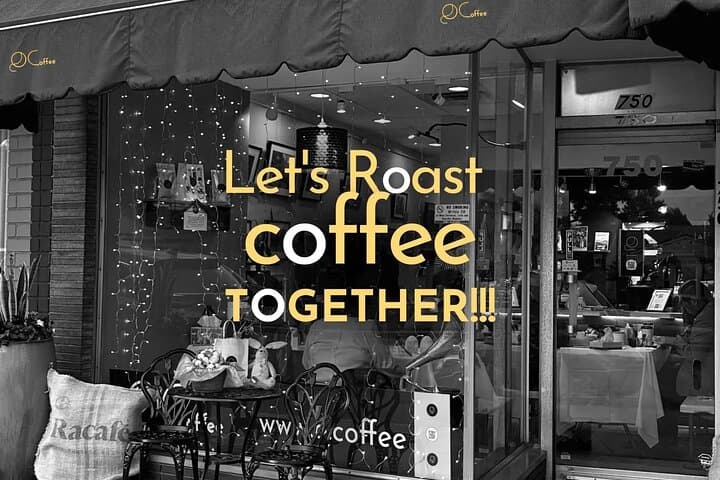
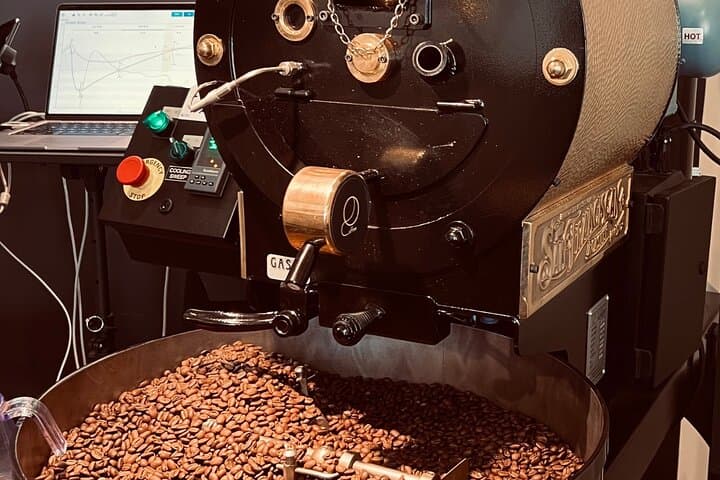
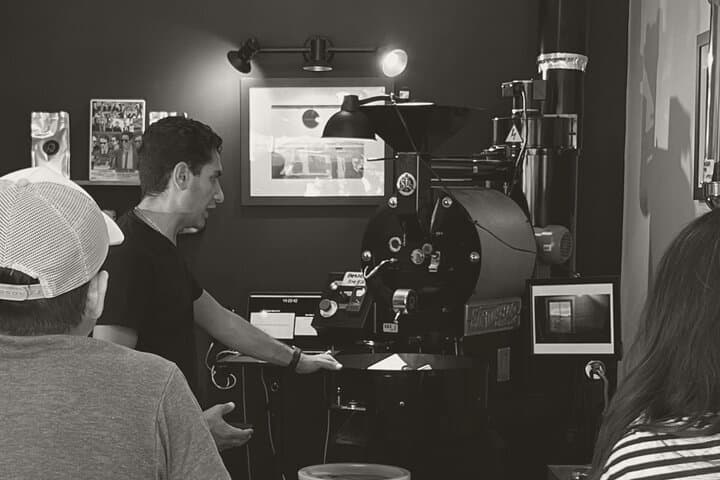
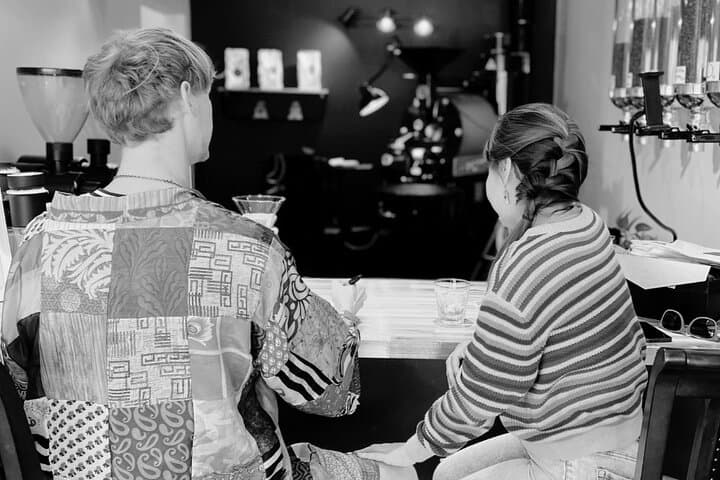
Stepping into the roastery, heat and scent meet you at the door — a dry, caramelized aroma that grabs attention before the machines do. The SF6 roaster hisses and spins, metal and flame translating green beans into something drinkable and bright. In an hour you move from raw seed to roast profile, standing close enough to notice color shifts and hear the first crack.
Stepping into the roastery, heat and scent meet you at the door — a dry, caramelized aroma that grabs attention before the machines do. The SF6 roaster hisses and spins, metal and flame translating green beans into something drinkable and bright. In an hour you move from raw seed to roast profile, standing close enough to notice color shifts and hear the first crack.
Coffee’s story stretches from high-elevation farms to urban kitchens. The class links that arc: you’ll hear about harvest and processing methods, how volcanic and alluvial soils in Central America and Ethiopia shape acidity, and why roast levels coax different sugars and oils to the surface. Los Angeles itself has pushed specialty coffee forward — small roasters, direct-trade relationships, and a culture of experimentation have made the city a good classroom for modern roasting practice.
Expect a concise, hands-on primer: bean types and origin profiles, stages of roast, sensory cues, and a live demo on the SF6 machine. Groups are small (up to four) so you’ll get close to equipment and ask technical questions. Practical notes: the room is warm from the roaster, there’s standing room during demos, and public transit reaches the neighborhood.
Plan to arrive on time, bring a notebook for roast logs, and wear closed-toe shoes. If you’re building a café or expanding skills as a barista, treat this as a foundation — it won’t replace months of cupping and profile-building, but it will give you the vocabulary and the live reference you need to move forward.