THE ADVENTURE COLLECTIVE® · Independent discovery and booking for outdoor travel

Train with expert instructors in a 260‑year‑old samurai residence in central Kyoto. Learn sword basics, test precision with an iaitō, and end with Zen meditation—an active, contextual introduction to samurai practice.
Train with expert instructors in a 260‑year‑old samurai residence in central Kyoto. Learn sword basics, test precision with an iaitō, and end with Zen meditation—an active, contextual introduction to samurai practice.
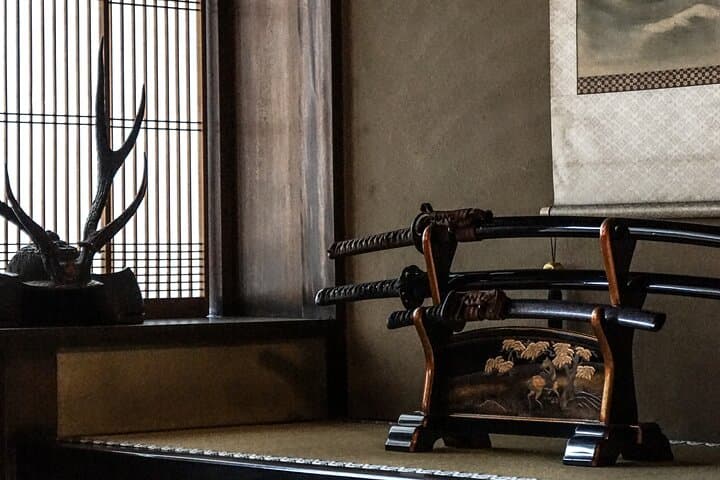
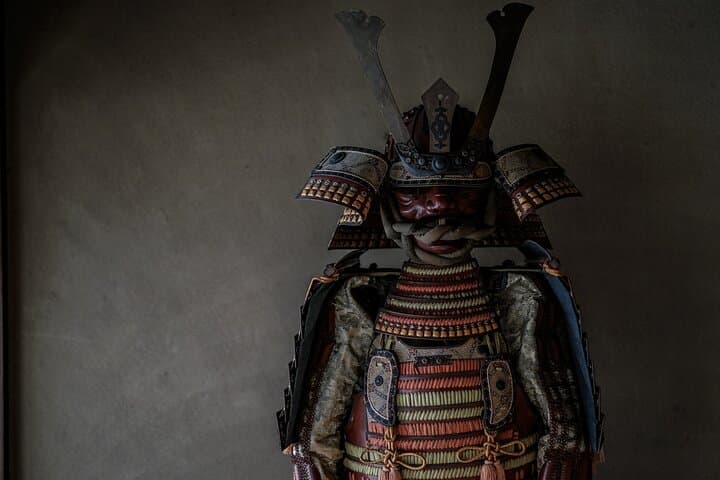
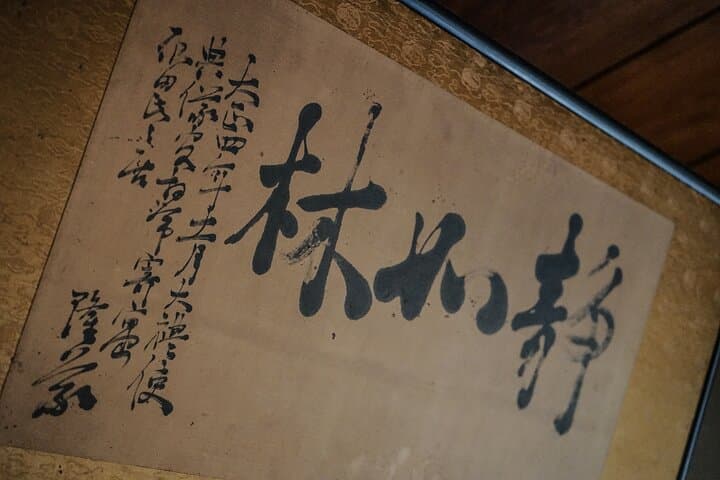
You step across a low wooden threshold into a 260‑year‑old samurai residence and the air shifts—polished timber, the faint breath of tatami, and a garden that seems to slow time.
Verified experiences and guided adventures in the surrounding area.
Operated by Kyoto Samurai Experience · Kyoto, Kyoto Prefecture
You step across a low wooden threshold into a 260‑year‑old samurai residence and the air shifts—polished timber, the faint breath of tatami, and a garden that seems to slow time.
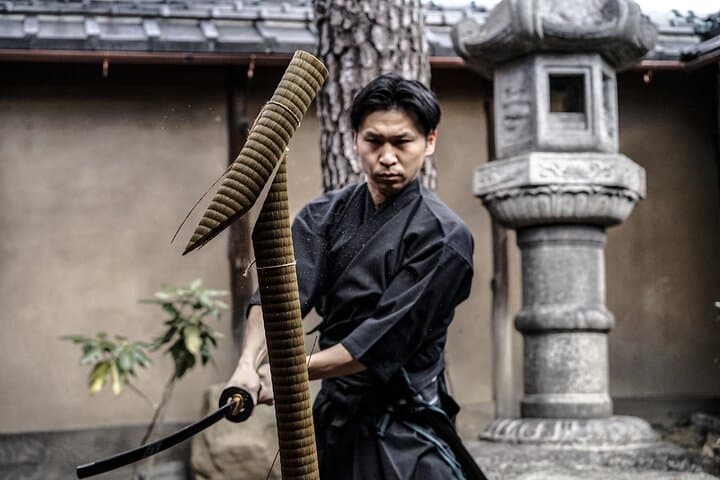
The session opens with a crisp demonstration of classical forms, then moves into practical drills: stance, footwork, and katana handling with a wooden bokken before testing precision with an iaitō training sword. Expert instructors link each movement to samurai discipline—balance, intent, and control—before guiding a brief Zen meditation to close the rhythm of practice.
Kyoto was the imperial and cultural heart of Japan for centuries; many samurai houses in the city date to the Edo period when warrior families maintained compound homes near temples and artisan quarters. The residence’s wooden beams, shōji screens, and clipped garden beds reflect timber construction and garden design that weathered urban change.
Beyond technique, expect context: explanations of bushidō, the evolution of swordcraft, and how these practices fit Kyoto’s social fabric. Younger guests may observe safely; people with spinal or serious heart problems should avoid strenuous practice.
Practical notes: the program runs about 105 minutes, takes place indoors with some kneeling, and provides training swords and attire. Public transport reaches central Kyoto easily—arrive early to check in and wear comfortable, non-restrictive clothing. Hydrate beforehand, protect valuables from the dojo floor, and follow instructor cues strictly when handling weapons. This experience trades spectacle for hands-on learning—an active, grounded way to connect with Japan’s warrior past.
moderate.
1.5–2 hours.
Moderate fitness: basic balance, core strength, and mobility for standing and kneeling drills
You practice first with a wooden bokken and then with an iaitō training sword (blunt, non‑sharpened) under strict supervision.
Minors can participate but must be accompanied by an adult; younger children may be limited to observation for safety.
Photography policies vary—operators often allow photos of demonstrations but restrict cameras during meditation or hands‑on handling; ask staff on arrival.
Instructors tailor guidance to your level—mention experience at booking to adjust instruction and pacing.
Many samurai residences in Kyoto date to the Edo period when warrior families and artisans lived near temples and merchant quarters; the architecture reflects practical timber construction and garden design of that era.
Respect historic interiors—no shoes on tatami where required, avoid touching antique fittings, and follow instructor guidance to minimize wear on heritage spaces.
Kyoto Samurai Experience operates guided outdoor trips and adventures with an emphasis on safety, stewardship, and memorable experiences.
You step across a low wooden threshold into a 260‑year‑old samurai residence and the air shifts—polished timber, the faint breath of tatami, and a garden that seems to slow time.
You step across a low wooden threshold into a 260‑year‑old samurai residence and the air shifts—polished timber, the faint breath of tatami, and a garden that seems to slow time.
The session opens with a crisp demonstration of classical forms, then moves into practical drills: stance, footwork, and katana handling with a wooden bokken before testing precision with an iaitō training sword. Expert instructors link each movement to samurai discipline—balance, intent, and control—before guiding a brief Zen meditation to close the rhythm of practice.
Kyoto was the imperial and cultural heart of Japan for centuries; many samurai houses in the city date to the Edo period when warrior families maintained compound homes near temples and artisan quarters. The residence’s wooden beams, shōji screens, and clipped garden beds reflect timber construction and garden design that weathered urban change.
Beyond technique, expect context: explanations of bushidō, the evolution of swordcraft, and how these practices fit Kyoto’s social fabric. Younger guests may observe safely; people with spinal or serious heart problems should avoid strenuous practice.
Practical notes: the program runs about 105 minutes, takes place indoors with some kneeling, and provides training swords and attire. Public transport reaches central Kyoto easily—arrive early to check in and wear comfortable, non-restrictive clothing. Hydrate beforehand, protect valuables from the dojo floor, and follow instructor cues strictly when handling weapons. This experience trades spectacle for hands-on learning—an active, grounded way to connect with Japan’s warrior past.