THE ADVENTURE COLLECTIVE® · Independent discovery and booking for outdoor travel

Step beyond tourist shows into a real Buenos Aires milonga: a private lesson teaches the basics, then you join locals on the dance floor with hotel transfers included. Learn codes, try steps, and possibly catch live orchestra nights in intimate neighborhood venues.
Step beyond tourist shows into a real Buenos Aires milonga: a private lesson teaches the basics, then you join locals on the dance floor with hotel transfers included. Learn codes, try steps, and possibly catch live orchestra nights in intimate neighborhood venues.
The taxi drops you off under a single streetlight and the city hum feels different here — quieter, concentrated. You walk through a doorway where polished parquet and old posters meet the creak of chairs; the air is warm with breath and bandoneón. This is a milonga: a local dance hall where dance codes shape every step and the rhythm pulls you into a practiced, social ritual.
Verified experiences and guided adventures in the surrounding area.
Operated by Immersion Tours · Buenos Aires, Buenos Aires
The taxi drops you off under a single streetlight and the city hum feels different here — quieter, concentrated. You walk through a doorway where polished parquet and old posters meet the creak of chairs; the air is warm with breath and bandoneón. This is a milonga: a local dance hall where dance codes shape every step and the rhythm pulls you into a practiced, social ritual.
Tango grew from late 19th-century immigrant neighborhoods on the edge of the Río de la Plata and the sweeping Pampas beyond — a music of port workers and cafes that evolved into a structured social dance. The rooms you visit echo that history: tiled floors worn by decades of shoes, mirrored walls that teach posture, and sometimes a live orchestra reviving the Golden Age sound.
Expect a clear arc to the evening: a private lesson that covers basic embrace, caminada and simple ochos, followed by entry into a milonga where the guide explains the codes — how tandas and cortinas work and why eye contact matters. Local insights will point you to quieter corners of Almagro or San Telmo where real porteños keep the tradition alive, not just staged shows.
Practically, the tour includes hotel pickup and drop-off, a one-drink allowance, and about 3.5 hours total. Wear comfortable closed shoes with a smooth sole for pivoting; bring cash for tips and cloakroom; arrive with an open, respectful attitude toward the floor’s etiquette. If you want to watch more, ask your guide about small-orchestra nights — they’re where the music truly breathes.
easy.
3–4 hours.
Suitable for all fitness levels; requires standing and light dancing for portions of the evening
No—most bookings accommodate solo travelers and pair you with a partner during the private lesson and at the milonga when possible.
Children must be accompanied by an adult; milongas are generally adult-oriented evenings, and venues may set their own age policies.
Not every milonga features a live orchestra; the guide will aim to take you to events with live bands when available, depending on the night and schedule.
Smart-casual is appropriate—comfortable yet neat; some traditional venues favor more dressy attire, but the emphasis is on respectful, dance-ready clothing.
Tango emerged in Buenos Aires’ port barrios in the late 19th and early 20th centuries, blending immigrant, African and criollo influences into music and dance.
Support local venues and small milongas to help preserve cultural spaces; respect venue rules, avoid flash photography, and minimize noise when arriving or leaving.
Immersion Tours operates guided outdoor trips and adventures with an emphasis on safety, stewardship, and memorable experiences.

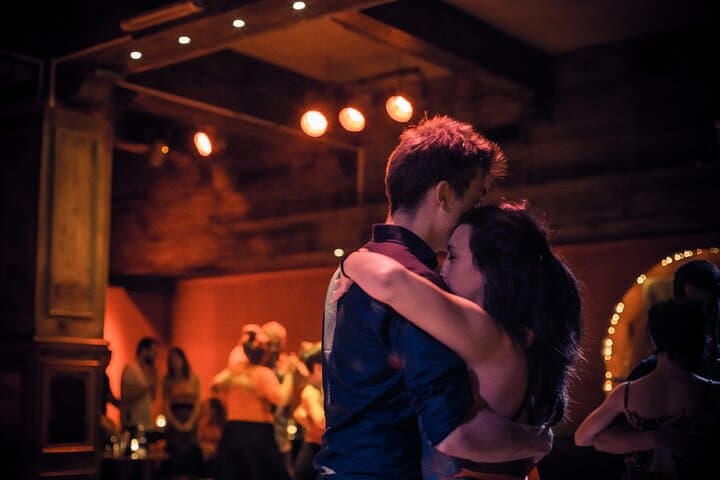


The taxi drops you off under a single streetlight and the city hum feels different here — quieter, concentrated. You walk through a doorway where polished parquet and old posters meet the creak of chairs; the air is warm with breath and bandoneón. This is a milonga: a local dance hall where dance codes shape every step and the rhythm pulls you into a practiced, social ritual.
The taxi drops you off under a single streetlight and the city hum feels different here — quieter, concentrated. You walk through a doorway where polished parquet and old posters meet the creak of chairs; the air is warm with breath and bandoneón. This is a milonga: a local dance hall where dance codes shape every step and the rhythm pulls you into a practiced, social ritual.
Tango grew from late 19th-century immigrant neighborhoods on the edge of the Río de la Plata and the sweeping Pampas beyond — a music of port workers and cafes that evolved into a structured social dance. The rooms you visit echo that history: tiled floors worn by decades of shoes, mirrored walls that teach posture, and sometimes a live orchestra reviving the Golden Age sound.
Expect a clear arc to the evening: a private lesson that covers basic embrace, caminada and simple ochos, followed by entry into a milonga where the guide explains the codes — how tandas and cortinas work and why eye contact matters. Local insights will point you to quieter corners of Almagro or San Telmo where real porteños keep the tradition alive, not just staged shows.
Practically, the tour includes hotel pickup and drop-off, a one-drink allowance, and about 3.5 hours total. Wear comfortable closed shoes with a smooth sole for pivoting; bring cash for tips and cloakroom; arrive with an open, respectful attitude toward the floor’s etiquette. If you want to watch more, ask your guide about small-orchestra nights — they’re where the music truly breathes.