THE ADVENTURE COLLECTIVE® · Independent discovery and booking for outdoor travel

A classic 4-day Inca Trail trek from Km 82 to Machu Picchu: 42–45 km of high passes, cloudforest, and Inca ruins, culminating at Inti Punku for sunrise over the citadel. Practical, guided camping with meals and transport from Cusco.
A classic 4-day Inca Trail trek from Km 82 to Machu Picchu: 42–45 km of high passes, cloudforest, and Inca ruins, culminating at Inti Punku for sunrise over the citadel. Practical, guided camping with meals and transport from Cusco.
Dawn on kilometer 82 arrives in thin, cold air; headlamps pick out the narrow footpath as the first day’s river valley opens into high puna grass and distant snow of Mount Veronica. The Inka Trail’s classic 4-day, 3-night route threads ancient stone causeways, stepped terraces and cloud-forests, finishing at Inti Punku with the first light on Machu Picchu.
Verified experiences and guided adventures in the surrounding area.
Operated by Grand America · Cusco, Cusco
Dawn on kilometer 82 arrives in thin, cold air; headlamps pick out the narrow footpath as the first day’s river valley opens into high puna grass and distant snow of Mount Veronica. The Inka Trail’s classic 4-day, 3-night route threads ancient stone causeways, stepped terraces and cloud-forests, finishing at Inti Punku with the first light on Machu Picchu.
This route follows ancient Inca arteries across roughly 42–45 km, topping out at Warmiwañusca (Dead Woman Pass) around 4,200 m. Geology alternates between granite ridges, eroded river canyons and fertile Andean terraces; microclimates shift fast—alpine scrub, humid cloudforest, then warm river valley. Culturally the trail links archaeological sites—Runkaracay, Sayacmarca, Phuyupatamarca, Wiñay Wayna—each revealing stonework, agricultural niches and Inca water channels that have endured centuries.
Expect four full days of trekking, commonly 5–8 hours walking per day with sustained ascents and steep stone stair sections; three nights of camping; guided visits to the citadel and optional Huayna Picchu/Wayna views subject to permits. Logistics typically include hotel pickup in Cusco, meals (breakfasts, lunches, dinners), porters and a return train to Cusco via Aguas Calientes.
Practical edge: acclimatize in Cusco for 48–72 hours, carry layered waterproof gear for sudden mountain rain, and use trekking poles for steep descents. Passport and Inca Trail permit are required; physical fitness at a moderate-to-high level will make the passes and long days far more enjoyable.
challenging.
4 days.
Suitable for hikers with good aerobic fitness and prior multi-day trekking experience; acclimatization recommended
This classic itinerary covers about 42–45 km over four days, with three nights of camping and several archaeological stops.
No technical climbing skills are required, but you should be comfortable with sustained uphill and downhill hiking at altitude and have good baseline fitness.
Tour operators secure Inca Trail permits tied to passport details; you must bring your passport on the trek for permit and Machu Picchu entry checks.
Tours may be canceled for safety in severe weather; bring waterproof gear and expect muddy, slippery trail sections during rainy periods.
The Inca Trail links a network of imperial roads used by the Inca to connect Cusco with the sacred citadel of Machu Picchu, passing several purpose-built tambos and ceremonial sites.
Strict permit limits and designated campsites help protect fragile archaeological and cloudforest environments; stay on trail and pack out waste to minimize impact.
Grand America operates guided outdoor trips and adventures with an emphasis on safety, stewardship, and memorable experiences.
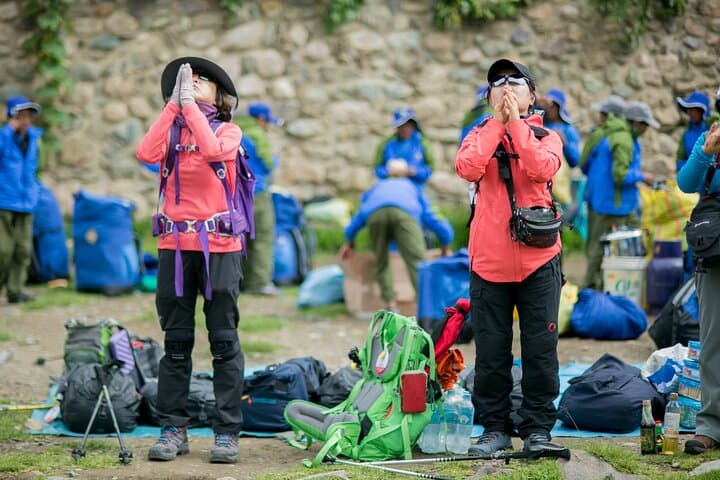
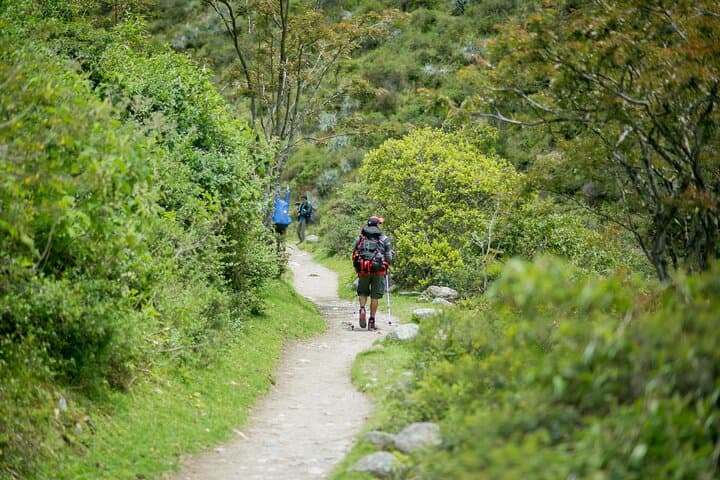
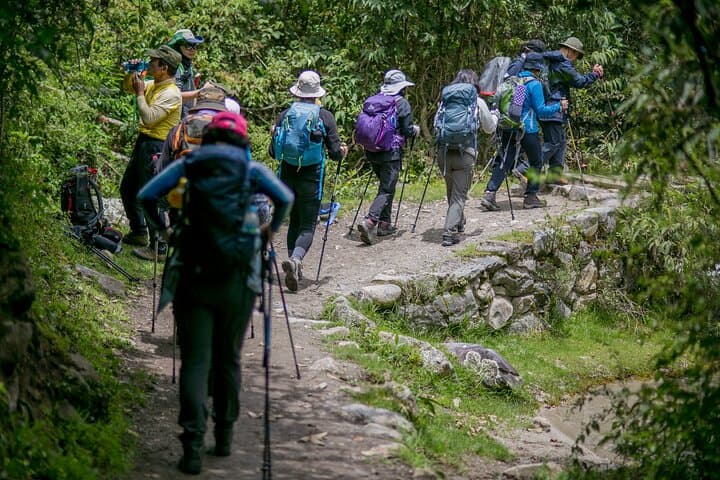
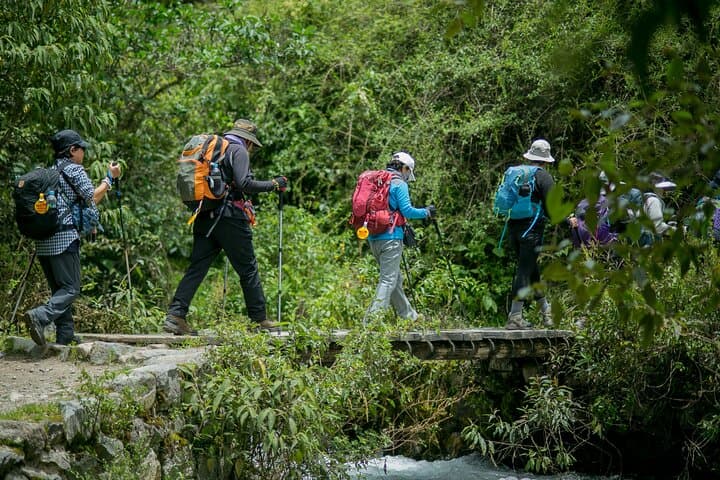
Dawn on kilometer 82 arrives in thin, cold air; headlamps pick out the narrow footpath as the first day’s river valley opens into high puna grass and distant snow of Mount Veronica. The Inka Trail’s classic 4-day, 3-night route threads ancient stone causeways, stepped terraces and cloud-forests, finishing at Inti Punku with the first light on Machu Picchu.
Dawn on kilometer 82 arrives in thin, cold air; headlamps pick out the narrow footpath as the first day’s river valley opens into high puna grass and distant snow of Mount Veronica. The Inka Trail’s classic 4-day, 3-night route threads ancient stone causeways, stepped terraces and cloud-forests, finishing at Inti Punku with the first light on Machu Picchu.
This route follows ancient Inca arteries across roughly 42–45 km, topping out at Warmiwañusca (Dead Woman Pass) around 4,200 m. Geology alternates between granite ridges, eroded river canyons and fertile Andean terraces; microclimates shift fast—alpine scrub, humid cloudforest, then warm river valley. Culturally the trail links archaeological sites—Runkaracay, Sayacmarca, Phuyupatamarca, Wiñay Wayna—each revealing stonework, agricultural niches and Inca water channels that have endured centuries.
Expect four full days of trekking, commonly 5–8 hours walking per day with sustained ascents and steep stone stair sections; three nights of camping; guided visits to the citadel and optional Huayna Picchu/Wayna views subject to permits. Logistics typically include hotel pickup in Cusco, meals (breakfasts, lunches, dinners), porters and a return train to Cusco via Aguas Calientes.
Practical edge: acclimatize in Cusco for 48–72 hours, carry layered waterproof gear for sudden mountain rain, and use trekking poles for steep descents. Passport and Inca Trail permit are required; physical fitness at a moderate-to-high level will make the passes and long days far more enjoyable.