THE ADVENTURE COLLECTIVE® · Independent discovery and booking for outdoor travel

Skip the classic trail and take the Inka Jungle: downhill biking from Abra Málaga, Vilcanota rafting, canopy zips, and a riverside hike that deposits you in Aguas Calientes for Machu Picchu. Expect varied terrain, high-altitude weather, and a booking window enforced by Peru's Ministry of Culture.
Skip the classic trail and take the Inka Jungle: downhill biking from Abra Málaga, Vilcanota rafting, canopy zips, and a riverside hike that deposits you in Aguas Calientes for Machu Picchu. Expect varied terrain, high-altitude weather, and a booking window enforced by Peru's Ministry of Culture.
You start at dawn above Abra Málaga, the wind from the high pass nudging you toward a long downhill that cuts through cloud forest and scrub. The first pedal strokes feel thin at 4,350 m; below, terraces, rivers and microclimates unfurl as the trail sheds altitude and expectation.
Verified experiences and guided adventures in the surrounding area.
Operated by Trip Inka Town · Cusco, Cusco
You start at dawn above Abra Málaga, the wind from the high pass nudging you toward a long downhill that cuts through cloud forest and scrub. The first pedal strokes feel thin at 4,350 m; below, terraces, rivers and microclimates unfurl as the trail sheds altitude and expectation.
This is the Inka Jungle route: a contemporary mashup of mountain biking, whitewater, canopy zips and a riverside hike that finishes at Aguas Calientes and the gates of Machu Picchu. The route threads modern adventure onto an ancient landscape—Inca roads and terraces carved into volcanic and sedimentary rock—and runs along the Vilcanota (Urubamba) watershed that powered Andean agriculture for centuries. Local villages still speak Quechua and host simple homestays; hot springs at Cocalmayo are a slippery local treat after a long day.
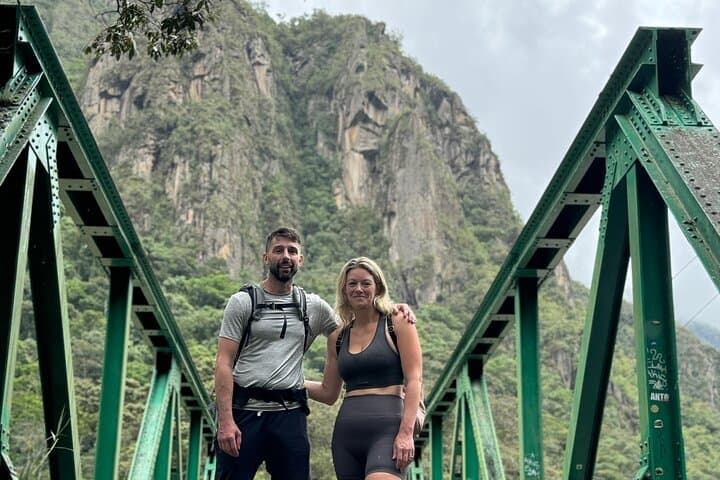
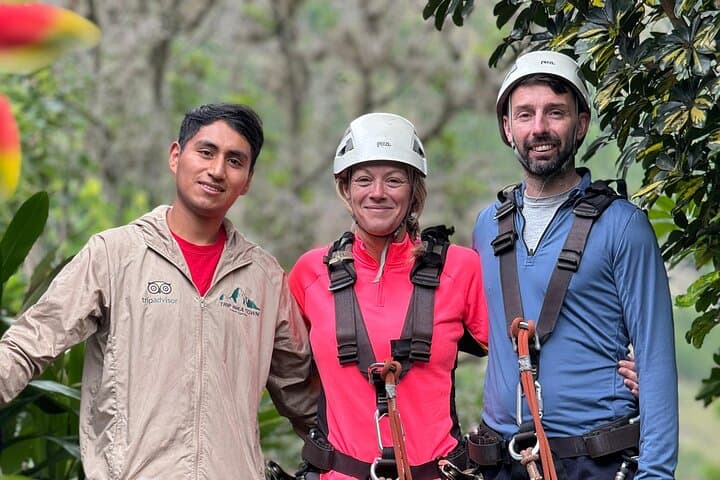
Practically, expect varied terrain: a technical downhill from Abra Málaga to Santa María, class II–III raft sections on the Vilcanota, multi-line zip setups in mid-elevation cloud forest, and a 2–3 hour riverside trek from Hidroeléctrica to Aguas Calientes along railbed and riverbank. Altitude is the defining factor—acclimatize in Cusco, drink and rest, and move deliberately on steep descents.
Bring layers for rapid weather shifts, a compact rain shell, and gloves for biking and ziplines. Book Machu Picchu admission early (the Ministry of Culture restricts numbers). The trip balances adrenaline and culture: it’s an efficient, high-energy alternative to the classic trail that still ends where the landscape demands reverence: the Inca citadel high on the mountain ridge.
moderate.
3 days.
Moderate fitness: comfortable with multi-hour hikes, several hours of cycling downhill, and basic rafting exertion at moderate intensity.
Yes. The Ministry of Culture limits daily entries—purchase your Machu Picchu ticket well in advance (often 2–3 months) and confirm the time slot before travel.
The descent is long with sections of gravel, rock and steep switchbacks; riders should be confident on technical downhill terrain and use protective gear provided.
Most sections on this itinerary are class II–III and guided; basic swimming ability and following the guide's safety brief are required.
The walk commonly starts at Hidroeléctrica and follows the railway and riverbank for about 2–3 hours, over flat but uneven terrain.
Machu Picchu is an Inca ceremonial and administrative center built in the 15th century; the Inka Jungle route is a modern adventure corridor that links contemporary activities to ancient pathways.
Visitor limits protect fragile archaeological zones and cloud-forest habitat—stick to trails, pack out waste, and avoid single-use plastics where possible.
Trip Inka Town operates guided outdoor trips and adventures with an emphasis on safety, stewardship, and memorable experiences.
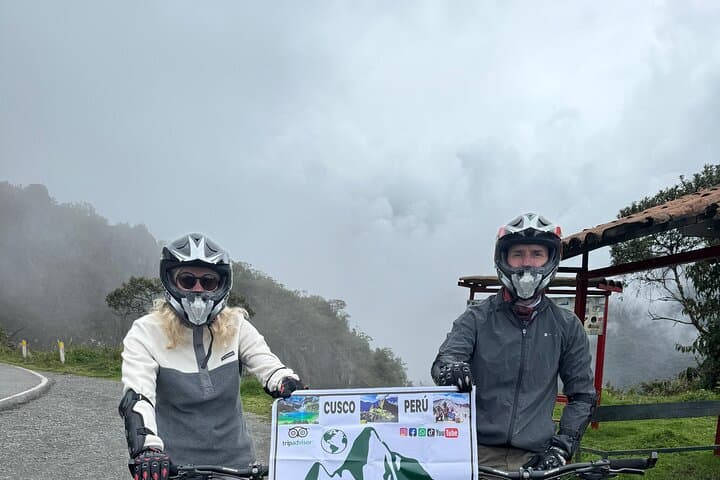
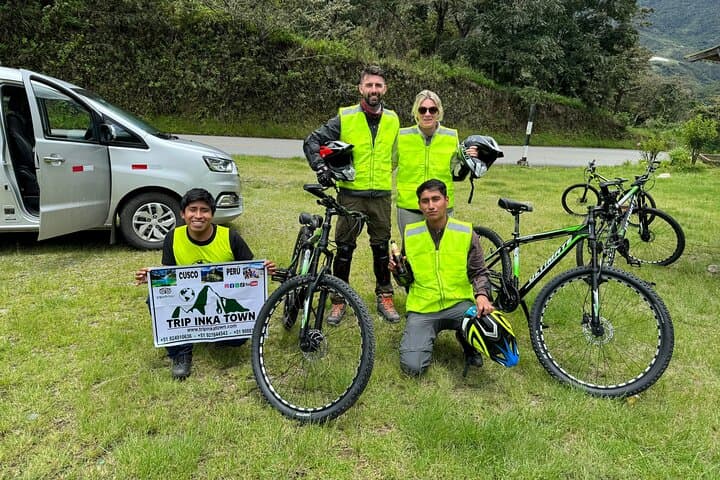
You start at dawn above Abra Málaga, the wind from the high pass nudging you toward a long downhill that cuts through cloud forest and scrub. The first pedal strokes feel thin at 4,350 m; below, terraces, rivers and microclimates unfurl as the trail sheds altitude and expectation.
You start at dawn above Abra Málaga, the wind from the high pass nudging you toward a long downhill that cuts through cloud forest and scrub. The first pedal strokes feel thin at 4,350 m; below, terraces, rivers and microclimates unfurl as the trail sheds altitude and expectation.
This is the Inka Jungle route: a contemporary mashup of mountain biking, whitewater, canopy zips and a riverside hike that finishes at Aguas Calientes and the gates of Machu Picchu. The route threads modern adventure onto an ancient landscape—Inca roads and terraces carved into volcanic and sedimentary rock—and runs along the Vilcanota (Urubamba) watershed that powered Andean agriculture for centuries. Local villages still speak Quechua and host simple homestays; hot springs at Cocalmayo are a slippery local treat after a long day.
Practically, expect varied terrain: a technical downhill from Abra Málaga to Santa María, class II–III raft sections on the Vilcanota, multi-line zip setups in mid-elevation cloud forest, and a 2–3 hour riverside trek from Hidroeléctrica to Aguas Calientes along railbed and riverbank. Altitude is the defining factor—acclimatize in Cusco, drink and rest, and move deliberately on steep descents.
Bring layers for rapid weather shifts, a compact rain shell, and gloves for biking and ziplines. Book Machu Picchu admission early (the Ministry of Culture restricts numbers). The trip balances adrenaline and culture: it’s an efficient, high-energy alternative to the classic trail that still ends where the landscape demands reverence: the Inca citadel high on the mountain ridge.