THE ADVENTURE COLLECTIVE® · Independent discovery and booking for outdoor travel

A full-day excursion from Cuenca to Ecuador’s largest Inca complex, Ingapirca offers close-up ruins, solar-aligned masonry, and visits to nearby artisan towns. This practical guide explains what to expect on the trail, cultural highlights, and how to prepare for highland conditions.
A full-day excursion from Cuenca to Ecuador’s largest Inca complex, Ingapirca offers close-up ruins, solar-aligned masonry, and visits to nearby artisan towns. This practical guide explains what to expect on the trail, cultural highlights, and how to prepare for highland conditions.
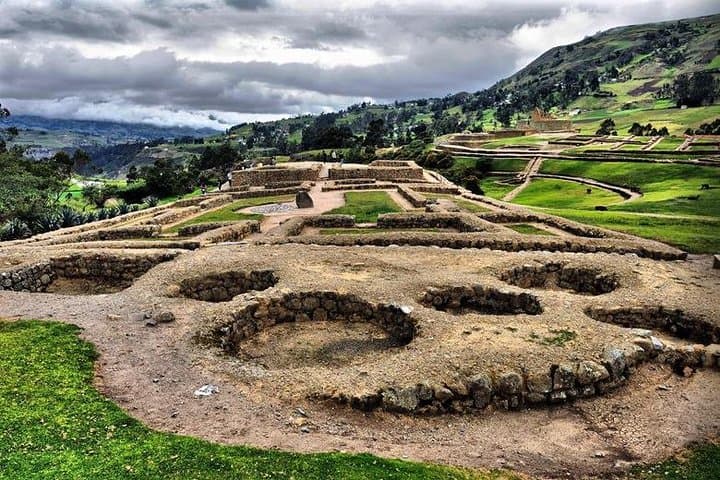
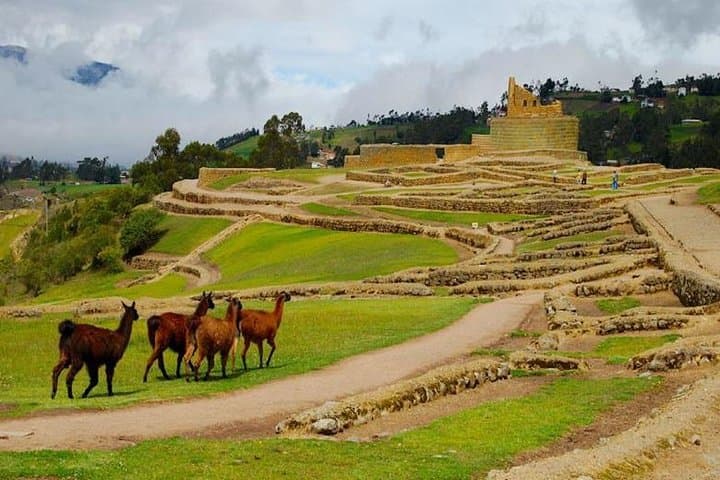
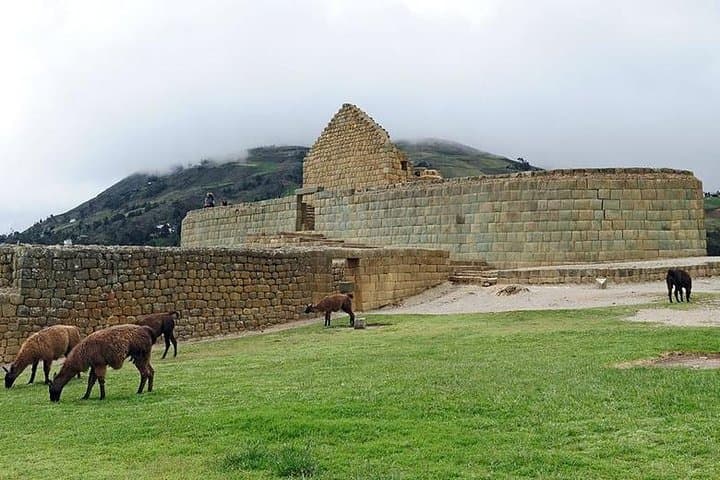
You step off an air-conditioned minivan into highland air that carries both chill and history — wind threading through low stone walls, the smell of grass and smoked wood from nearby farmhouses. The Ingapirca complex opens like a ruined stage: the semicircular Temple of the Sun perches on a ridge, its fitted stones daring you to read the sky that once guided rituals.
Verified experiences and guided adventures in the surrounding area.
Operated by Tangol · Ingapirca, Cañar Province
You step off an air-conditioned minivan into highland air that carries both chill and history — wind threading through low stone walls, the smell of grass and smoked wood from nearby farmhouses. The Ingapirca complex opens like a ruined stage: the semicircular Temple of the Sun perches on a ridge, its fitted stones daring you to read the sky that once guided rituals.
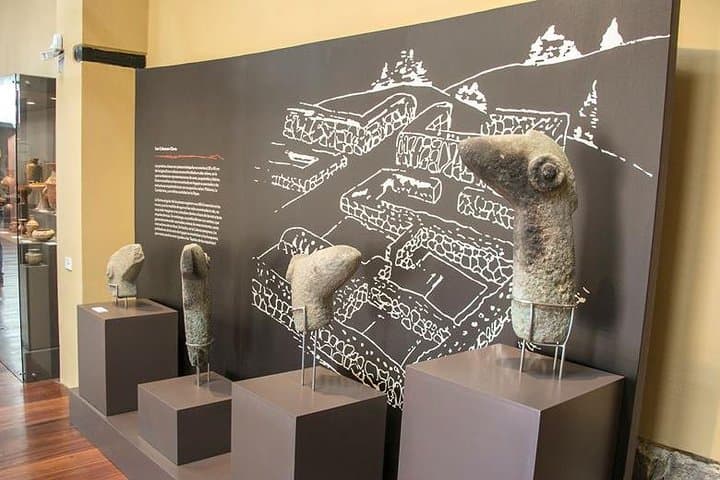
Ingapirca is Ecuador’s largest Inca-era site, where late pre-Columbian Cañari communities met expanding Inca influence. Geologically the site sits on volcanic highlands with reddish-andesitic soils; the stones used in construction were quarried locally and dressed with classic Inca precision. Culturally, the site reveals a negotiated landscape — watch for Cañari-style orthostats alongside Inca trapezoidal doors, evidence of two societies overlapping rather than one replacing the other.
The day's rhythm typically includes a guided walk through terraces, a close look at the Temple of the Sun’s solar alignments, then visits to nearby artisan towns where goldsmiths and weavers continue traditional crafts. Expect easy walking on packed dirt and stone, occasional short steps, and open, wind-exposed viewpoints.
Practical guidance: arrive layered for sun and wind, bring a refillable water bottle, and wear sturdy shoes for uneven stone. Photography is straightforward but respect signs and barriers; fragile masonry and ceremonial spaces are protected. Most tours include a traditional lunch and return to Cuenca the same evening — an efficient, immersive way to touch Ecuador’s highland past without overnight logistics.
easy.
9 hours.
Light physical condition; suitable for travelers who can walk short distances on uneven ground and climb modest steps.
Most excursions are roughly nine hours round-trip from Cuenca and typically include transport in an air‑conditioned vehicle, a local guide, and a traditional lunch.
The tour is rated easy but includes uneven stone and steps; strollers are noted as usable in some sections, but those with limited mobility may find certain areas difficult to access.
Admission is generally included or arranged by tour operators; confirm with your provider if entrance fees are covered before booking.
Bring a camera with extra battery or power bank, sunglasses, sunscreen, and layered clothing for changing sun and wind conditions.
Ingapirca reflects a fusion of Cañari settlement and later Inca integration; the semicircular Temple of the Sun demonstrates Inca astronomical orientation and finely dressed masonry.
The site’s stonework is fragile; visitors should stay on marked paths, avoid touching carved faces, and support local conservation by following guide instructions and buying from certified artisans.
Tangol operates guided outdoor trips and adventures with an emphasis on safety, stewardship, and memorable experiences.
You step off an air-conditioned minivan into highland air that carries both chill and history — wind threading through low stone walls, the smell of grass and smoked wood from nearby farmhouses. The Ingapirca complex opens like a ruined stage: the semicircular Temple of the Sun perches on a ridge, its fitted stones daring you to read the sky that once guided rituals.
You step off an air-conditioned minivan into highland air that carries both chill and history — wind threading through low stone walls, the smell of grass and smoked wood from nearby farmhouses. The Ingapirca complex opens like a ruined stage: the semicircular Temple of the Sun perches on a ridge, its fitted stones daring you to read the sky that once guided rituals.
Ingapirca is Ecuador’s largest Inca-era site, where late pre-Columbian Cañari communities met expanding Inca influence. Geologically the site sits on volcanic highlands with reddish-andesitic soils; the stones used in construction were quarried locally and dressed with classic Inca precision. Culturally, the site reveals a negotiated landscape — watch for Cañari-style orthostats alongside Inca trapezoidal doors, evidence of two societies overlapping rather than one replacing the other.
The day's rhythm typically includes a guided walk through terraces, a close look at the Temple of the Sun’s solar alignments, then visits to nearby artisan towns where goldsmiths and weavers continue traditional crafts. Expect easy walking on packed dirt and stone, occasional short steps, and open, wind-exposed viewpoints.
Practical guidance: arrive layered for sun and wind, bring a refillable water bottle, and wear sturdy shoes for uneven stone. Photography is straightforward but respect signs and barriers; fragile masonry and ceremonial spaces are protected. Most tours include a traditional lunch and return to Cuenca the same evening — an efficient, immersive way to touch Ecuador’s highland past without overnight logistics.