THE ADVENTURE COLLECTIVE® · Independent discovery and booking for outdoor travel

A private, full‑day drive from Cuenca delivers visitors to Ingapirca, Ecuador’s largest Inca complex. Expect a compact archaeological circuit at high altitude, layered cultural history, and a typical Andean lunch in a local setting.
A private, full‑day drive from Cuenca delivers visitors to Ingapirca, Ecuador’s largest Inca complex. Expect a compact archaeological circuit at high altitude, layered cultural history, and a typical Andean lunch in a local setting.
You arrive before the highland wind fully wakes, mountain air thin and sharp at roughly 3,160 m above sea level. The narrow road from Cuenca peels open to terraced hills; the stone outline of the Ingapirca temple sits atop a rocky ridge, a compact fortress that still holds an architectural calm. Shadows move across the plaza as your small private group begins the circuit.
Verified experiences and guided adventures in the surrounding area.
Operated by Anda Viaja @anda2000 · Ingapirca, Cañar Province
You arrive before the highland wind fully wakes, mountain air thin and sharp at roughly 3,160 m above sea level. The narrow road from Cuenca peels open to terraced hills; the stone outline of the Ingapirca temple sits atop a rocky ridge, a compact fortress that still holds an architectural calm. Shadows move across the plaza as your small private group begins the circuit.
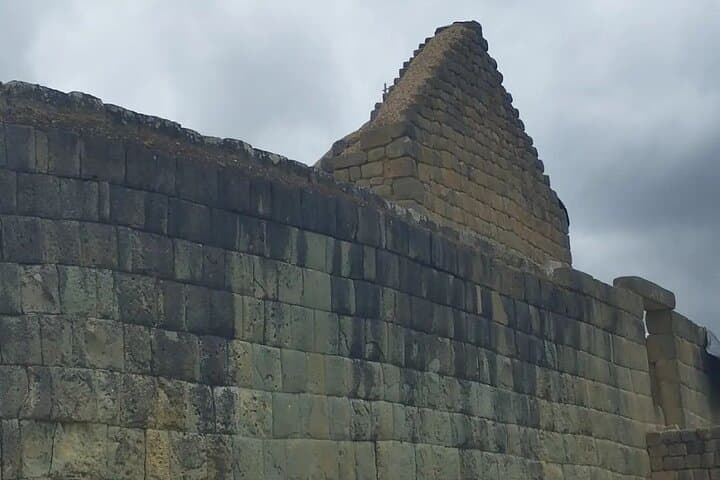
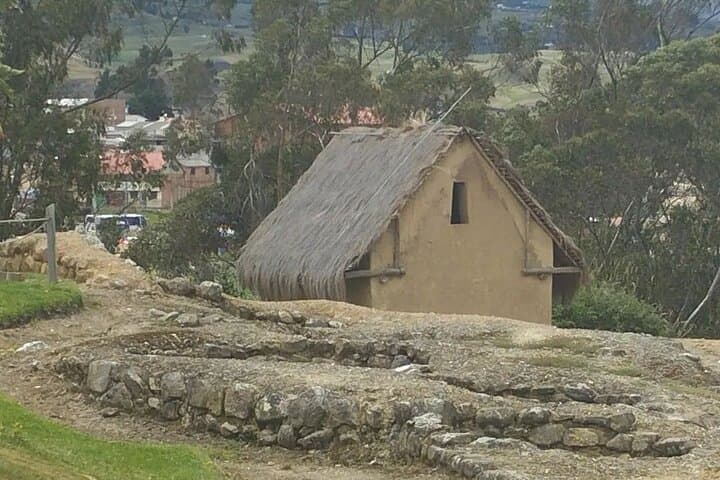
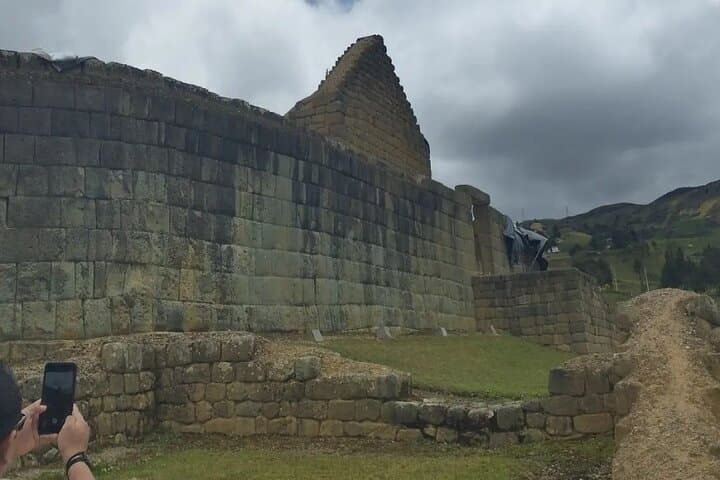
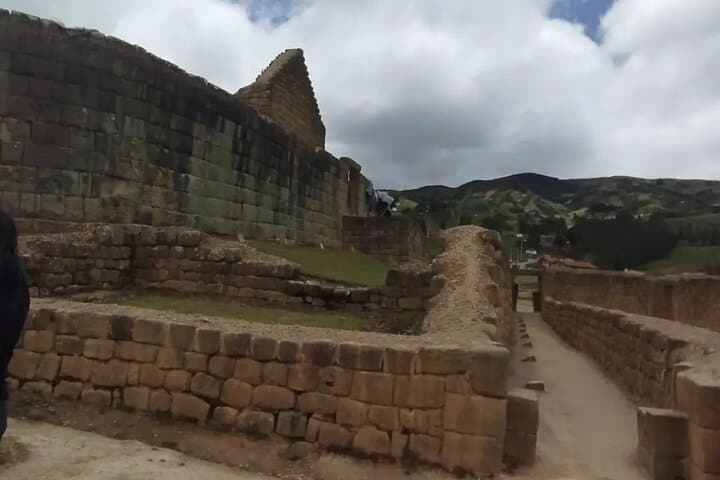
Ingapirca is the largest and most intact Inca site in Ecuador, where Cañari foundations meet later Inca masonry—round and rectangular rooms, a sun temple (Intihuatana), and storage terraces carved into andesite and volcanic bedrock. Geology here is immediate: volcanic stone and compacted soils shape the terraces; traces of pre-Inca Cañari occupation sit beneath Inca constructions. Culturally, guides often interpret the site as a meeting point between local Cañari communities and imperial Inca technicians, visible in mixed construction styles and agricultural remnants.
Practical rhythm: expect a 2‑hour drive each way from Cuenca, about 2 hours of on‑site exploration, plus time for a regional lunch—total tour roughly seven hours. Trails are short but at high altitude; steps and uneven stone require steady footing. Weather shifts fast: sun, wind and afternoon showers are common in the Sierra. Photography windows open early and late; mid‑day brings stronger light and fewer shadows for detail shots.
Plan for hydration, layered clothing, and a moderate fitness baseline. The tour delivers archaeological context, panoramic ridge views, and a direct encounter with Andean engineering—compact, accessible, and grounded in living local culture.
moderate.
7 hours (approx.).
Moderate fitness recommended—short walking and stone steps at high altitude; allow for reduced pace.
The drive is about 2 hours each way, depending on traffic and road conditions—plan for a full‑day outing of roughly seven hours total.
The site is accessible for many ages, but stone steps and high altitude mean it’s not ideal for very young children or those with significant mobility or cardiovascular issues.
This private tour includes admission as part of the itinerary and is designed for small groups with personalized guiding and a typical lunch.
Acclimate in Cuenca beforehand, move at a steady pace, hydrate, avoid alcohol before the visit, and carry any personal medication; consult your doctor if you have cardiovascular concerns.
Ingapirca shows a blend of Cañari and Inca building techniques; the sun temple atop the complex indicates the site’s ceremonial importance during Inca occupation.
Site management focuses on protecting fragile stonework and terraces; visitors are asked to stay on paths, avoid touching carved stones, and support local guides to benefit nearby communities.
Anda Viaja @anda2000 operates guided outdoor trips and adventures with an emphasis on safety, stewardship, and memorable experiences.
You arrive before the highland wind fully wakes, mountain air thin and sharp at roughly 3,160 m above sea level. The narrow road from Cuenca peels open to terraced hills; the stone outline of the Ingapirca temple sits atop a rocky ridge, a compact fortress that still holds an architectural calm. Shadows move across the plaza as your small private group begins the circuit.
You arrive before the highland wind fully wakes, mountain air thin and sharp at roughly 3,160 m above sea level. The narrow road from Cuenca peels open to terraced hills; the stone outline of the Ingapirca temple sits atop a rocky ridge, a compact fortress that still holds an architectural calm. Shadows move across the plaza as your small private group begins the circuit.
Ingapirca is the largest and most intact Inca site in Ecuador, where Cañari foundations meet later Inca masonry—round and rectangular rooms, a sun temple (Intihuatana), and storage terraces carved into andesite and volcanic bedrock. Geology here is immediate: volcanic stone and compacted soils shape the terraces; traces of pre-Inca Cañari occupation sit beneath Inca constructions. Culturally, guides often interpret the site as a meeting point between local Cañari communities and imperial Inca technicians, visible in mixed construction styles and agricultural remnants.
Practical rhythm: expect a 2‑hour drive each way from Cuenca, about 2 hours of on‑site exploration, plus time for a regional lunch—total tour roughly seven hours. Trails are short but at high altitude; steps and uneven stone require steady footing. Weather shifts fast: sun, wind and afternoon showers are common in the Sierra. Photography windows open early and late; mid‑day brings stronger light and fewer shadows for detail shots.
Plan for hydration, layered clothing, and a moderate fitness baseline. The tour delivers archaeological context, panoramic ridge views, and a direct encounter with Andean engineering—compact, accessible, and grounded in living local culture.