THE ADVENTURE COLLECTIVE® · Independent discovery and booking for outdoor travel

A full-day circuit from Cuenca that pairs the hilltop Inca ruins of Ingapirca with artisan towns Gualaceo and Chordeleg. Expect short uneven walks, market stops for woven ponchos and jewelry, and a hands-on look at local crafts.
A full-day circuit from Cuenca that pairs the hilltop Inca ruins of Ingapirca with artisan towns Gualaceo and Chordeleg. Expect short uneven walks, market stops for woven ponchos and jewelry, and a hands-on look at local crafts.
Morning light cuts across the high valley as a private van threads the Andes toward Ingapirca, the largest Inca archaeological site in Ecuador. Stones that once guided ceremonial steps sit cool underfoot; wind pushes across terraces and the site’s solar temple seems to measure the sun with deliberate patience.
Verified experiences and guided adventures in the surrounding area.
Operated by Turibus Cuenca / Cuenca City Tour · Cuenca, Azuay
Morning light cuts across the high valley as a private van threads the Andes toward Ingapirca, the largest Inca archaeological site in Ecuador. Stones that once guided ceremonial steps sit cool underfoot; wind pushes across terraces and the site’s solar temple seems to measure the sun with deliberate patience.
Ingapirca occupies a strategic ridge where Cañari settlements met Inca engineering. The masonry shows both local workmanship and imperial redesign: rounded killaq (solar) niches, stepped terraces and channels carved into volcanic rock. Nearby Gualaceo and Chordeleg offer a contrasting human landscape — markets of woven makanas, workshops where alpaca and sheep fibers become ponchos, and jewelers hammering filigree into gold and silver. The three towns capture geology and culture: high Andean basalt and andesite underfoot, a climate that swings between dry, sun-baked days and sudden mountain rain, and crafts shaped by centuries of export and exchange.
Practical side: the round trip from Cuenca is roughly 75 km (1.5–2 hours each way); the guided visit at Ingapirca involves short walks of 0.5–1.2 km on uneven stone and packed-earth paths with up to ~60–100 m of ascent between viewpoints. Expect high-altitude sun, cool breezes and limited shade. The tour is full-day (about 8 hours) with lunch included, bilingual guide and private transport. Bring layered clothing, sturdy shoes, water, sun protection and small bills for market purchases. Respect archaeological zones: no climbing on restored walls and follow guide instructions for a safer, more rewarding visit.
easy.
8 hours.
Suitable for travelers in average physical condition—short walks on uneven ground and brief climbs but no technical hiking.
The road is roughly 70–80 km and takes about 1.5–2 hours each way depending on traffic and stops.
Yes; the tour is listed as physically easy with short walks, but some sections include uneven stone; infants can use strollers only in villages, and specialized infant seats are available.
This tour’s description lists visits and private transport with lunch; confirm with the operator whether site admission is included when booking.
Yes—Gualaceo and Chordeleg are artisan hubs for makanas, ponchos and filigreed silver; bring cash and ask for local sizing and materials details.
Ingapirca shows layers of Cañari settlement later adapted by the Incas for administrative and ceremonial use; the site’s solar temple aligns with seasonal sun angles.
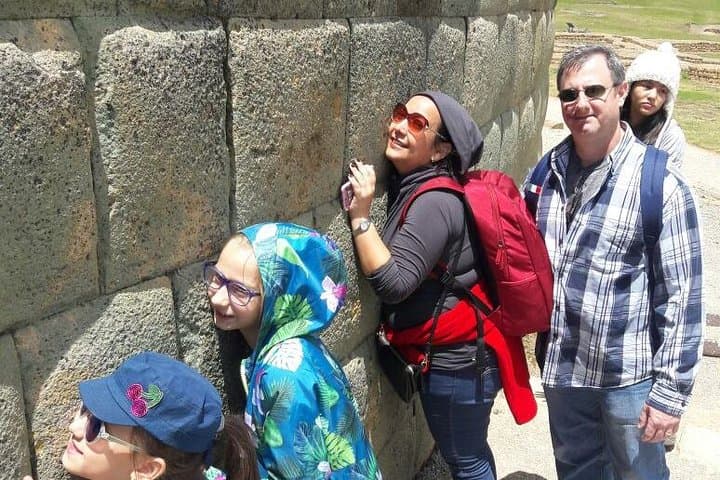
Visitor impact is managed through marked paths and guided access; support local economies by buying crafted goods and avoid touching archaeological masonry to limit erosion.
Turibus Cuenca / Cuenca City Tour operates guided outdoor trips and adventures with an emphasis on safety, stewardship, and memorable experiences.
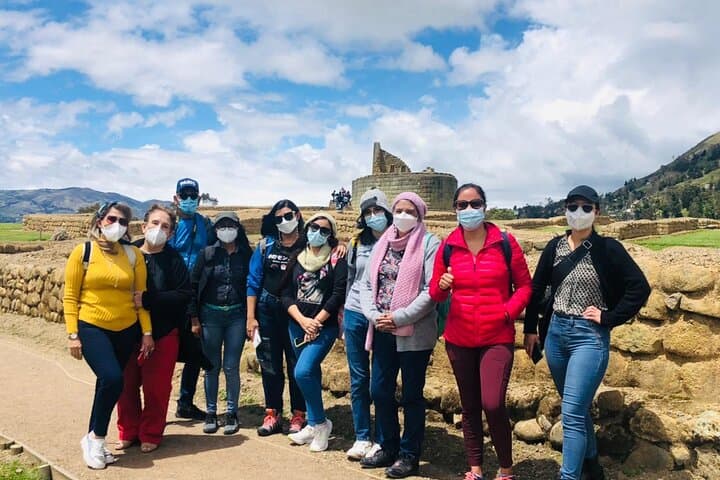
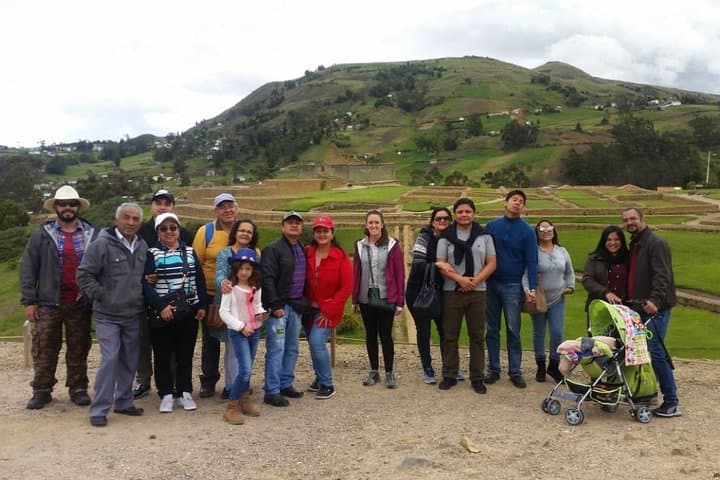
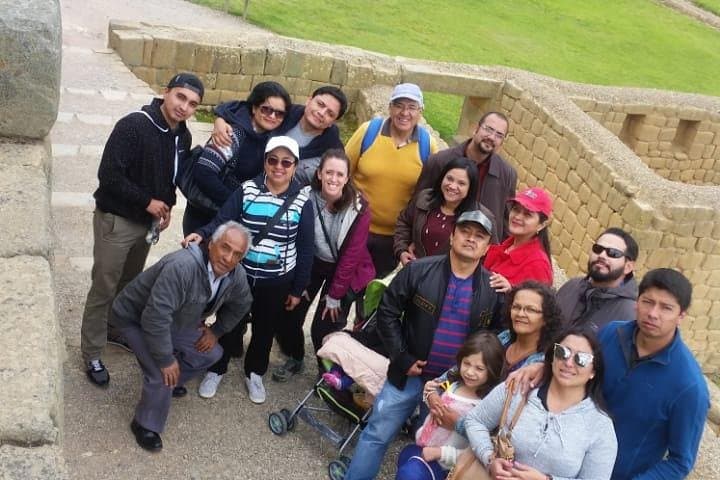
Morning light cuts across the high valley as a private van threads the Andes toward Ingapirca, the largest Inca archaeological site in Ecuador. Stones that once guided ceremonial steps sit cool underfoot; wind pushes across terraces and the site’s solar temple seems to measure the sun with deliberate patience.
Morning light cuts across the high valley as a private van threads the Andes toward Ingapirca, the largest Inca archaeological site in Ecuador. Stones that once guided ceremonial steps sit cool underfoot; wind pushes across terraces and the site’s solar temple seems to measure the sun with deliberate patience.
Ingapirca occupies a strategic ridge where Cañari settlements met Inca engineering. The masonry shows both local workmanship and imperial redesign: rounded killaq (solar) niches, stepped terraces and channels carved into volcanic rock. Nearby Gualaceo and Chordeleg offer a contrasting human landscape — markets of woven makanas, workshops where alpaca and sheep fibers become ponchos, and jewelers hammering filigree into gold and silver. The three towns capture geology and culture: high Andean basalt and andesite underfoot, a climate that swings between dry, sun-baked days and sudden mountain rain, and crafts shaped by centuries of export and exchange.
Practical side: the round trip from Cuenca is roughly 75 km (1.5–2 hours each way); the guided visit at Ingapirca involves short walks of 0.5–1.2 km on uneven stone and packed-earth paths with up to ~60–100 m of ascent between viewpoints. Expect high-altitude sun, cool breezes and limited shade. The tour is full-day (about 8 hours) with lunch included, bilingual guide and private transport. Bring layered clothing, sturdy shoes, water, sun protection and small bills for market purchases. Respect archaeological zones: no climbing on restored walls and follow guide instructions for a safer, more rewarding visit.