THE ADVENTURE COLLECTIVE® · Independent discovery and booking for outdoor travel

A classic high-altitude trek from McLeodganj that climbs Triund, passes Lahesh Cave and summits Indrahar Pass at 4,342m. Plan 3–4 days, prepare for scree and exposed scrambling, and prioritize acclimatization.
A classic high-altitude trek from McLeodganj that climbs Triund, passes Lahesh Cave and summits Indrahar Pass at 4,342m. Plan 3–4 days, prepare for scree and exposed scrambling, and prioritize acclimatization.
You leave McLeodganj before dawn, the town’s prayer flags shrinking behind you as a pine-scented trail climbs toward Triund's grassy ridge. The air thins and the Kangra Valley opens below in stepped greens; the Dhauladhar range looms ahead like a wall of broken granite daring you to gain it.
Verified experiences and guided adventures in the surrounding area.
Operated by Manu Adventures India · McLeodganj, Himachal Pradesh
You leave McLeodganj before dawn, the town’s prayer flags shrinking behind you as a pine-scented trail climbs toward Triund's grassy ridge. The air thins and the Kangra Valley opens below in stepped greens; the Dhauladhar range looms ahead like a wall of broken granite daring you to gain it.
This route follows classic Dhauladhar geology—steep, fractured metamorphic bands uplifted by the Himalaya’s collision—cut by shepherd trails and dotted with seasonal meadows. McLeodganj’s Tibetan community and monasteries sit at the trailhead, a cultural seam where local hill life and refugee traditions meet over steaming tea.
Practicalities shape the trek: most itineraries run 3–4 days, gaining from ~2,000m in McLeodganj/Mund to 4,342m at Indrahar Pass. Day one is a steady climb to Triund (about 2,875m); subsequent days push through Lahesh Cave and boulder-strewn meadows, then the final scramble up the northeast face to the crest. Expect mixed terrain—packed dirt, loose scree and short exposed rock steps—so pace for altitude and variable weather.
Bring layered insulation, a solid pair of hiking boots, and at least 3 liters of water per day in summer; winter requires crampons and a greater margin for weather delays. Hire a local guide if you lack high-altitude experience; shelters and tents are common but always plan to pack out waste. Start early, monitor acclimatization, and enjoy the raw, wind-cut panorama at the pass—a place that rewards patience and honest effort.
challenging.
4 days.
Requires high aerobic fitness and experience with sustained uphill hiking and some exposure; prior altitude experience recommended.
Permits are not typically required for standard trekking routes, but rules can change—confirm with your operator or local authorities and carry ID.
Most groups take 3–4 days: McLeodganj to Triund, Triund to Lahesh Cave/Trek camp, summit Indrahar and return with buffer for weather.
Experienced trekkers with altitude experience may go unguided, but hiring a local guide increases safety, aids navigation on loose terrain and supports the local economy.
Altitude sickness, sudden weather changes, loose scree and exposed sections—prepare with acclimatization, weather-aware planning and proper footwear.
The Dhauladhar range separates Kangra from Chamba; trails were used seasonally by shepherds and now link the Tibetan community of McLeodganj with high pasturelands.
High foot traffic strains fragile meadows—practice Leave No Trace, avoid cutting switchbacks, and use established campsites to limit erosion.
Manu Adventures India operates guided outdoor trips and adventures with an emphasis on safety, stewardship, and memorable experiences.
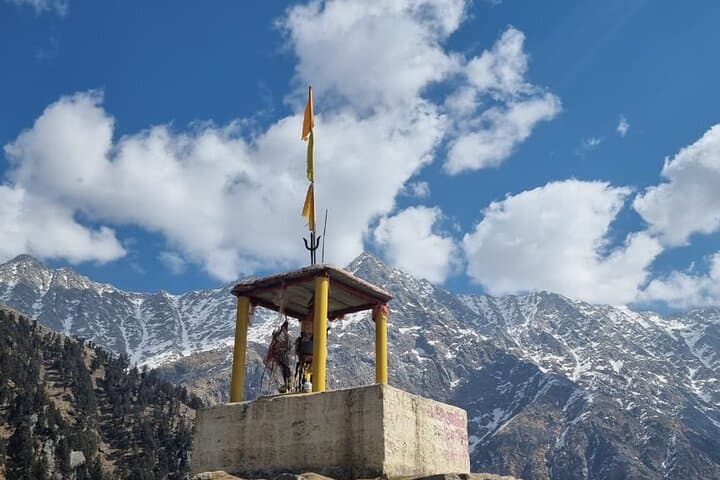


You leave McLeodganj before dawn, the town’s prayer flags shrinking behind you as a pine-scented trail climbs toward Triund's grassy ridge. The air thins and the Kangra Valley opens below in stepped greens; the Dhauladhar range looms ahead like a wall of broken granite daring you to gain it.
You leave McLeodganj before dawn, the town’s prayer flags shrinking behind you as a pine-scented trail climbs toward Triund's grassy ridge. The air thins and the Kangra Valley opens below in stepped greens; the Dhauladhar range looms ahead like a wall of broken granite daring you to gain it.
This route follows classic Dhauladhar geology—steep, fractured metamorphic bands uplifted by the Himalaya’s collision—cut by shepherd trails and dotted with seasonal meadows. McLeodganj’s Tibetan community and monasteries sit at the trailhead, a cultural seam where local hill life and refugee traditions meet over steaming tea.
Practicalities shape the trek: most itineraries run 3–4 days, gaining from ~2,000m in McLeodganj/Mund to 4,342m at Indrahar Pass. Day one is a steady climb to Triund (about 2,875m); subsequent days push through Lahesh Cave and boulder-strewn meadows, then the final scramble up the northeast face to the crest. Expect mixed terrain—packed dirt, loose scree and short exposed rock steps—so pace for altitude and variable weather.
Bring layered insulation, a solid pair of hiking boots, and at least 3 liters of water per day in summer; winter requires crampons and a greater margin for weather delays. Hire a local guide if you lack high-altitude experience; shelters and tents are common but always plan to pack out waste. Start early, monitor acclimatization, and enjoy the raw, wind-cut panorama at the pass—a place that rewards patience and honest effort.