THE ADVENTURE COLLECTIVE® · Independent discovery and booking for outdoor travel

Experience the rush of free-fall in a controlled vertical wind tunnel at iFLY San Francisco Bay. Two one-on-one 60-second flights, professional instruction, and a personalized certificate make this a high-adrenaline, beginner-friendly outing.
Experience the rush of free-fall in a controlled vertical wind tunnel at iFLY San Francisco Bay. Two one-on-one 60-second flights, professional instruction, and a personalized certificate make this a high-adrenaline, beginner-friendly outing.
You step into a low hum that quickly feels like potential energy—an 800-horsepower tunnel waiting to turn gravity into glide. After a short briefing and fitted flight suit, an instructor guides you to the glass cylinder where the wind rises like a living surface; seconds later you are floating, body aligned to the airflow, arms and legs responding to a force that dares you to let go.
Verified experiences and guided adventures in the surrounding area.
Operated by iFLY Indoor Skydiving · Union City, California
You step into a low hum that quickly feels like potential energy—an 800-horsepower tunnel waiting to turn gravity into glide. After a short briefing and fitted flight suit, an instructor guides you to the glass cylinder where the wind rises like a living surface; seconds later you are floating, body aligned to the airflow, arms and legs responding to a force that dares you to let go.
Vertical wind-tunnel technology was refined in the late 20th century to train parachutists and has since become a public sport, turning aviation engineering into a repeatable thrill. iFLY San Francisco Bay sits on Alvarado‑Niles Road in Union City, near the industrial and transportation corridors that helped shape the East Bay’s modern growth. The experience blends high-tech equipment and hands-on coaching: instructors control wind speeds (listed between 130–175 mph) while you work on stability, turns, and brief aerial choreography.
Practically, the whole session runs about 75 minutes from check-in to certificate, with two 60-second one-on-one flights in the tunnel. Expect straightforward safety screening—weight and medical restrictions apply—and wear lace-up sneakers and comfortable, collarless clothing under your flight suit. Plan to arrive early to sign waivers and watch a short demo. For first-timers, breathe and relax your limbs: the tunnel supports you, but technique and listening to your coach make the difference between tense flailing and controlled flight.
This is an accessible, high-adrenaline activity that’s ideal if you want a full-sensory introduction to human flight without jumping from a plane.
easy.
1–1.5 hours.
Suitable for most fitness levels—basic mobility and the ability to follow physical instructions required; weight and certain medical restrictions apply.
Minimum age is 3; weight restrictions apply—guests over 300 lbs cannot fly, and those between 260–300 lbs may require additional evaluation by staff.
No experience required—every flight includes instructor-led training and one-on-one coaching in the tunnel.
Personal cameras and phones are generally not allowed in the tunnel area for safety; ask staff about available photo/video packages.
You will receive a briefing on body position and hand signals; certain medical conditions (e.g., neck, back, heart problems, pregnancy) disqualify participation.
Vertical wind-tunnel training evolved from aviation and parachute training in the late 20th century and was later commercialized for public indoor skydiving.
Wind tunnels consume significant electricity; carpool or use public transit where possible and follow facility rules to minimize waste and wear on gear.
iFLY Indoor Skydiving operates guided outdoor trips and adventures with an emphasis on safety, stewardship, and memorable experiences.
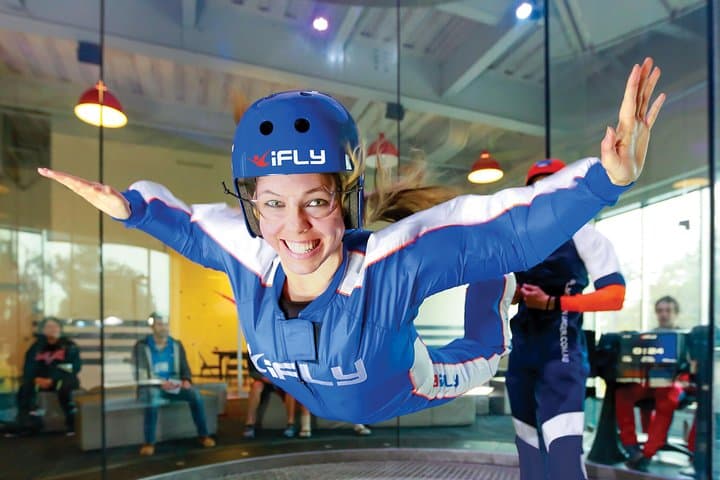
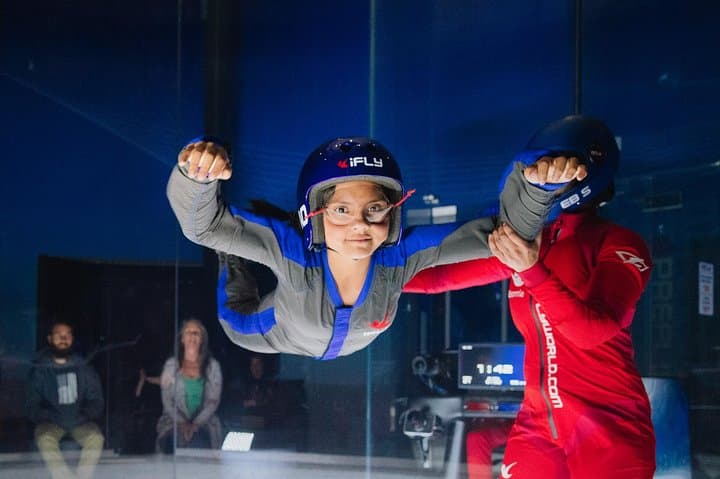
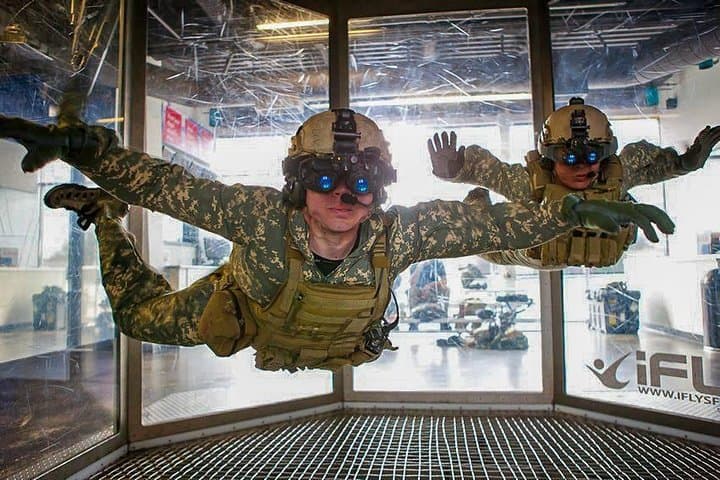
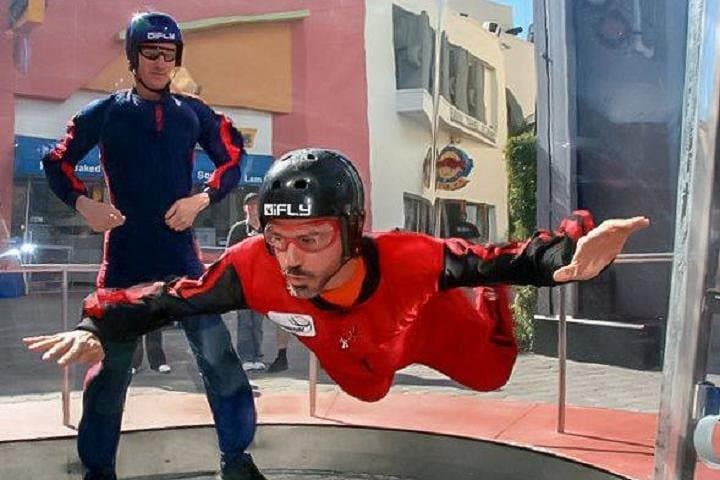
You step into a low hum that quickly feels like potential energy—an 800-horsepower tunnel waiting to turn gravity into glide. After a short briefing and fitted flight suit, an instructor guides you to the glass cylinder where the wind rises like a living surface; seconds later you are floating, body aligned to the airflow, arms and legs responding to a force that dares you to let go.
You step into a low hum that quickly feels like potential energy—an 800-horsepower tunnel waiting to turn gravity into glide. After a short briefing and fitted flight suit, an instructor guides you to the glass cylinder where the wind rises like a living surface; seconds later you are floating, body aligned to the airflow, arms and legs responding to a force that dares you to let go.
Vertical wind-tunnel technology was refined in the late 20th century to train parachutists and has since become a public sport, turning aviation engineering into a repeatable thrill. iFLY San Francisco Bay sits on Alvarado‑Niles Road in Union City, near the industrial and transportation corridors that helped shape the East Bay’s modern growth. The experience blends high-tech equipment and hands-on coaching: instructors control wind speeds (listed between 130–175 mph) while you work on stability, turns, and brief aerial choreography.
Practically, the whole session runs about 75 minutes from check-in to certificate, with two 60-second one-on-one flights in the tunnel. Expect straightforward safety screening—weight and medical restrictions apply—and wear lace-up sneakers and comfortable, collarless clothing under your flight suit. Plan to arrive early to sign waivers and watch a short demo. For first-timers, breathe and relax your limbs: the tunnel supports you, but technique and listening to your coach make the difference between tense flailing and controlled flight.
This is an accessible, high-adrenaline activity that’s ideal if you want a full-sensory introduction to human flight without jumping from a plane.