THE ADVENTURE COLLECTIVE® · Independent discovery and booking for outdoor travel

Float on a cushion of 130–175 mph air at iFLY New York Queens — two instructor-led 60-second flights within a 75-minute session. Learn what to expect, safety considerations, and practical tips for first-timers in Queens.
Float on a cushion of 130–175 mph air at iFLY New York Queens — two instructor-led 60-second flights within a 75-minute session. Learn what to expect, safety considerations, and practical tips for first-timers in Queens.
You step into a concrete building in Queens and the wind meets you first — not a gust but a deliberate, sustained breath that lifts and steadies. Inside iFLY New York Queens a circular flight chamber hums like a contained storm, and after a short briefing an instructor guides you to the mouth of the tunnel.
Verified experiences and guided adventures in the surrounding area.
Operated by iFLY Indoor Skydiving · Queens (New York City), NY
You step into a concrete building in Queens and the wind meets you first — not a gust but a deliberate, sustained breath that lifts and steadies. Inside iFLY New York Queens a circular flight chamber hums like a contained storm, and after a short briefing an instructor guides you to the mouth of the tunnel.
The experience repackages the essentials of skydiving: free-fall sensation, precise body balance, and instant feedback from wind and instructor. The 800-horsepower vertical wind tunnel generates wall-to-wall airflow at roughly 130–175 mph, so you float on an invisible cushion while trainers stand by to correct posture and hand signals. Historically, wind tunnels were developed for aviation testing and later adapted for parachute training; iFLY popularized consumer tunnels in urban centers so people can sample free-fall without a plane.
Queens adds context — just beyond the studio’s doors are the World's Fair grounds and airport approaches, reminders that this borough long braids technology, transit and public recreation. Expect a steady, practical briefing covering safety, body position and what to wear; then two 60-second flights spaced inside a 75-minute session.
Practical guidance: arrive 15–30 minutes early, wear athletic clothing and secure glasses or jewelry. If you have heart conditions, recent surgery, pregnancy or spinal issues, defer to medical advice — the operator lists those restrictions. Public transit access is good; bring ID and a small water bottle. For first-timers, focus on breathing, keep limbs relaxed, and let the instructor shape your flight. The wind will push you up; your job is to ride it.
easy.
75 minutes.
Suitable for most people with basic mobility; expect short bursts of exertion and core engagement
This experience includes two instructor-assisted flights, each approximately 60 seconds long, within a total 75-minute session.
Policies vary by location; most iFLY centers allow children (often ages 3+) and have an upper weight limit—check the operator for exact limits before booking.
No — all participants receive a safety briefing and one-on-one guidance; the instructor manages wind speed and body positioning throughout the flight.
Full refunds are usually available if you cancel at least 24 hours before the scheduled time; confirm specific terms at booking.
Vertical wind tunnels originated in aviation research and were adapted for sport and training; facilities like iFLY brought that tech to public, urban settings.
Indoor facilities consume significant electricity to power large fans; reduce impact by using public transit, booking consolidated group sessions, and supporting operators that optimize energy use.
iFLY Indoor Skydiving operates guided outdoor trips and adventures with an emphasis on safety, stewardship, and memorable experiences.
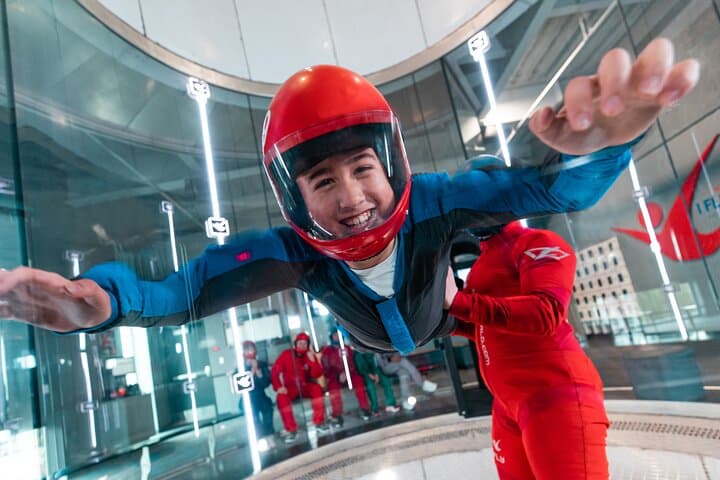
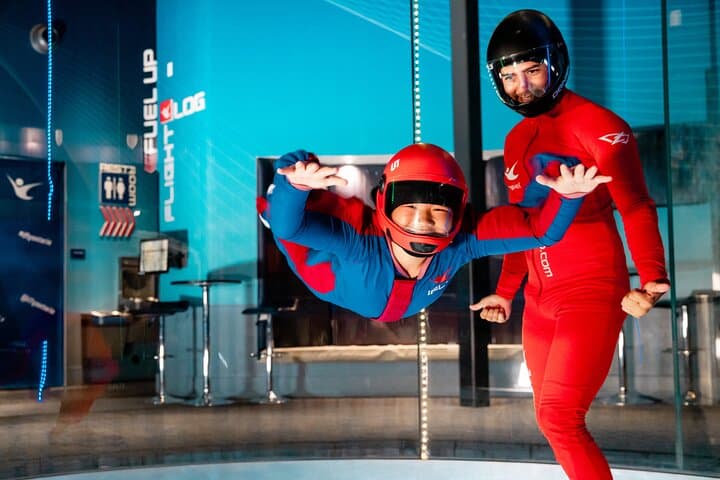
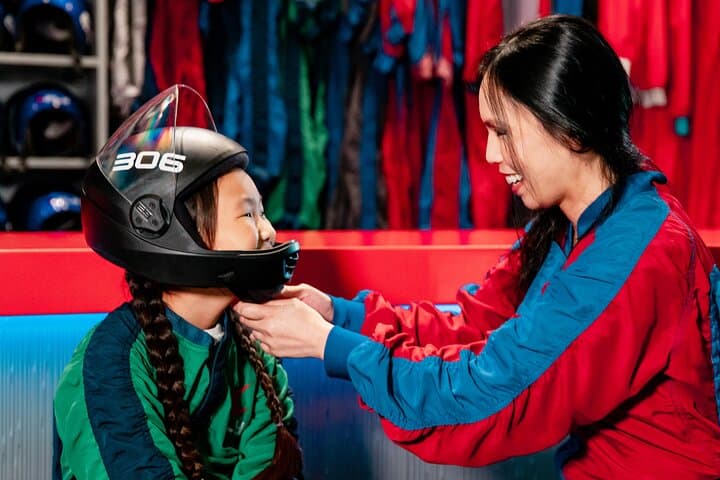
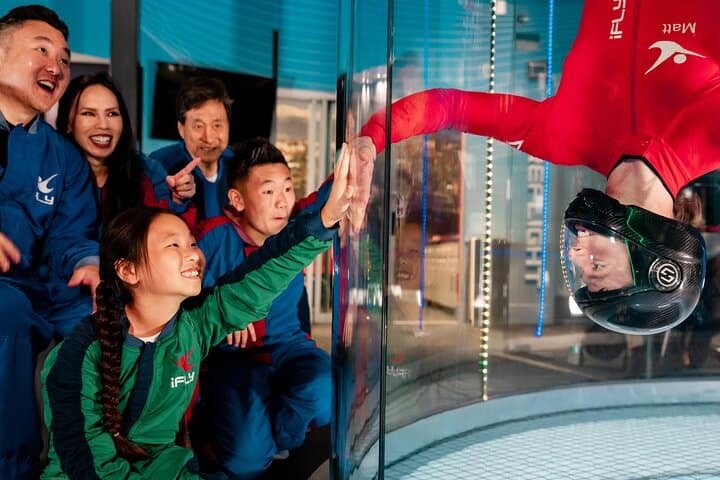
You step into a concrete building in Queens and the wind meets you first — not a gust but a deliberate, sustained breath that lifts and steadies. Inside iFLY New York Queens a circular flight chamber hums like a contained storm, and after a short briefing an instructor guides you to the mouth of the tunnel.
You step into a concrete building in Queens and the wind meets you first — not a gust but a deliberate, sustained breath that lifts and steadies. Inside iFLY New York Queens a circular flight chamber hums like a contained storm, and after a short briefing an instructor guides you to the mouth of the tunnel.
The experience repackages the essentials of skydiving: free-fall sensation, precise body balance, and instant feedback from wind and instructor. The 800-horsepower vertical wind tunnel generates wall-to-wall airflow at roughly 130–175 mph, so you float on an invisible cushion while trainers stand by to correct posture and hand signals. Historically, wind tunnels were developed for aviation testing and later adapted for parachute training; iFLY popularized consumer tunnels in urban centers so people can sample free-fall without a plane.
Queens adds context — just beyond the studio’s doors are the World's Fair grounds and airport approaches, reminders that this borough long braids technology, transit and public recreation. Expect a steady, practical briefing covering safety, body position and what to wear; then two 60-second flights spaced inside a 75-minute session.
Practical guidance: arrive 15–30 minutes early, wear athletic clothing and secure glasses or jewelry. If you have heart conditions, recent surgery, pregnancy or spinal issues, defer to medical advice — the operator lists those restrictions. Public transit access is good; bring ID and a small water bottle. For first-timers, focus on breathing, keep limbs relaxed, and let the instructor shape your flight. The wind will push you up; your job is to ride it.