THE ADVENTURE COLLECTIVE® · Independent discovery and booking for outdoor travel

Explore Arhuaca coffee and cacao traditions on a 4–5 hour hike from Minca to a cooling waterfall. Learn artisanal processing, hear sacred-geometry stories of the Sierra Nevada, and end with a farm-tasting hosted by an indigenous family.
Explore Arhuaca coffee and cacao traditions on a 4–5 hour hike from Minca to a cooling waterfall. Learn artisanal processing, hear sacred-geometry stories of the Sierra Nevada, and end with a farm-tasting hosted by an indigenous family.
The trail starts from Minca's central plaza with the humid air already carrying the scent of wet earth and roasted beans. Walkers move uphill through a corridor of native trees, where sunlight breaks in narrow strips and the chatter of birds follows like a running commentary. Guides pause to point out medicinal plants and explain the sacred geography that shapes local indigenous life.
Verified experiences and guided adventures in the surrounding area.
Operated by Macondo Projecto · Minca, Magdalena
The trail starts from Minca's central plaza with the humid air already carrying the scent of wet earth and roasted beans. Walkers move uphill through a corridor of native trees, where sunlight breaks in narrow strips and the chatter of birds follows like a running commentary. Guides pause to point out medicinal plants and explain the sacred geography that shapes local indigenous life.
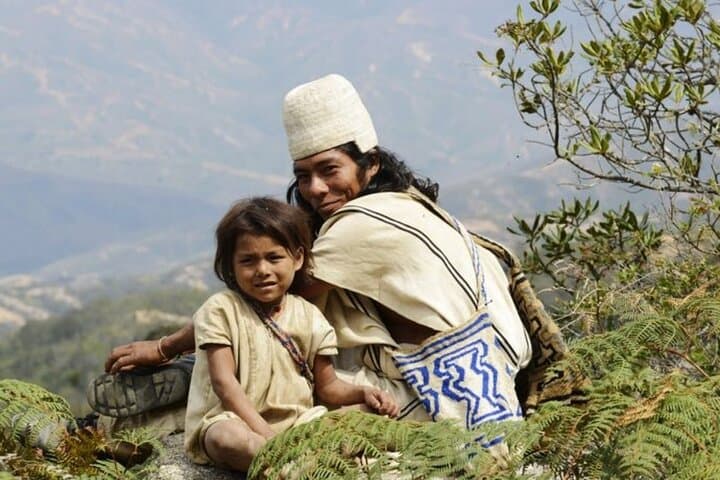
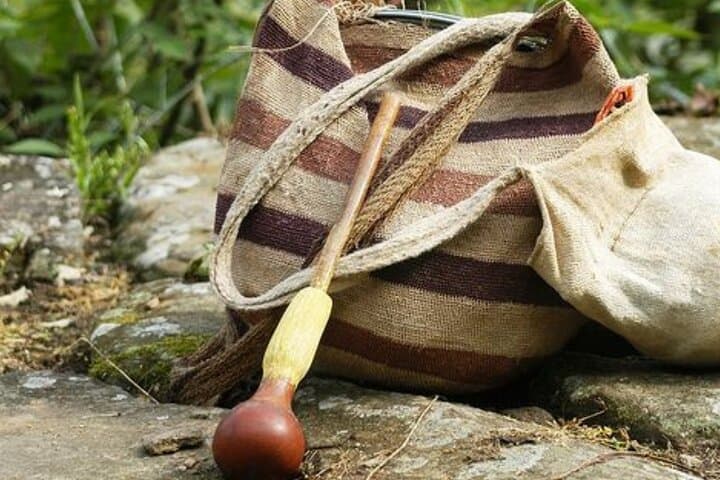
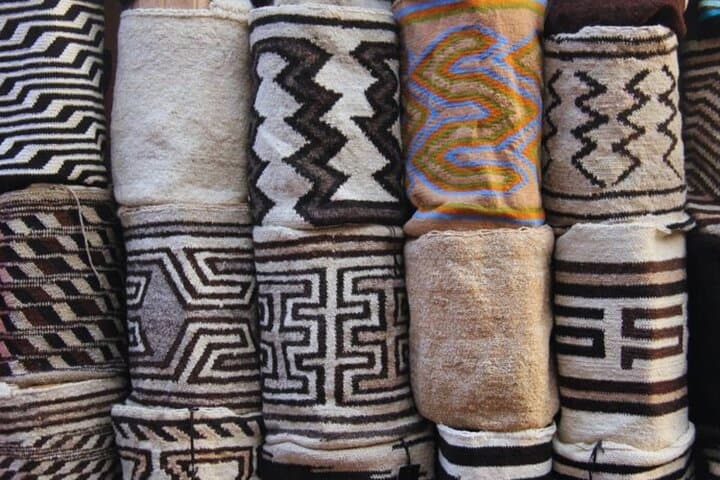
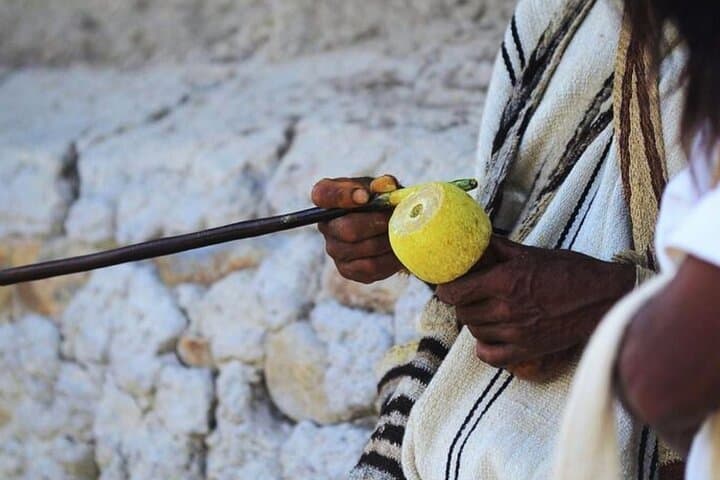
This trek threads history and landscape: the Sierra Nevada de Santa Marta is one of the world’s highest coastal mountain ranges, uplifted by tectonic forces and carved by fast streams. The route highlights the presence of the Arhuaco and other indigenous groups, whose connection to coffee and cacao is both economic and ceremonial. Visitors tour an Arhuaca-run farm to see hand-processing methods—fermentation pits, drying racks—and learn traditional weaving and crop stewardship passed through generations.
The finale is a cool plunge at a nearby waterfall, where guides discuss the spiritual role of water in indigenous cosmology and the ecological importance of upstream forest cover.
Practical side: expect 4–5 hours total, uneven dirt trails with short, steeper sections and slippery rocks near streams. Bring water, a light rain layer, and sturdy shoes; insect repellent and sun protection are useful. Photography is welcome, but ask before photographing people or ceremonial items. The experience balances cultural exchange with low-impact hiking—plan to leave no trace and support local enterprises by buying directly at the farm.
easy.
4–5 hours.
Suitable for most fitness levels; requires steady 3–5 hour walking with short uphill sections and uneven terrain.
The experience lasts about 4–5 hours from Minca's central plaza, including visits to the farm and the waterfall.
Yes—trail difficulty is easy with moderate walking; however, participants should be steady on uneven ground and slippery sections near streams.
Tasting of coffee and cacao prepared on-site is included; bring extra snacks if you have specific dietary needs.
Yes—bookings are recommended to ensure guides and farm hosts are available. Check cancellation policies for refunds.
The Sierra Nevada region is ancestral land for the Arhuaco, Kogui, Wiwa and Kankuamo peoples, whose agricultural practices and spiritual geography predate colonial settlement.
Local initiatives emphasize agroecological farming and watershed protection; visitors help by sticking to trails and supporting community-run enterprises.
Macondo Projecto operates guided outdoor trips and adventures with an emphasis on safety, stewardship, and memorable experiences.
The trail starts from Minca's central plaza with the humid air already carrying the scent of wet earth and roasted beans. Walkers move uphill through a corridor of native trees, where sunlight breaks in narrow strips and the chatter of birds follows like a running commentary. Guides pause to point out medicinal plants and explain the sacred geography that shapes local indigenous life.
The trail starts from Minca's central plaza with the humid air already carrying the scent of wet earth and roasted beans. Walkers move uphill through a corridor of native trees, where sunlight breaks in narrow strips and the chatter of birds follows like a running commentary. Guides pause to point out medicinal plants and explain the sacred geography that shapes local indigenous life.
This trek threads history and landscape: the Sierra Nevada de Santa Marta is one of the world’s highest coastal mountain ranges, uplifted by tectonic forces and carved by fast streams. The route highlights the presence of the Arhuaco and other indigenous groups, whose connection to coffee and cacao is both economic and ceremonial. Visitors tour an Arhuaca-run farm to see hand-processing methods—fermentation pits, drying racks—and learn traditional weaving and crop stewardship passed through generations.
The finale is a cool plunge at a nearby waterfall, where guides discuss the spiritual role of water in indigenous cosmology and the ecological importance of upstream forest cover.
Practical side: expect 4–5 hours total, uneven dirt trails with short, steeper sections and slippery rocks near streams. Bring water, a light rain layer, and sturdy shoes; insect repellent and sun protection are useful. Photography is welcome, but ask before photographing people or ceremonial items. The experience balances cultural exchange with low-impact hiking—plan to leave no trace and support local enterprises by buying directly at the farm.