THE ADVENTURE COLLECTIVE® · Independent discovery and booking for outdoor travel

Step into India’s textile heart across Delhi, Agra and Jaipur—where private workshops, market bargaining and hands-on stitching reveal zardozi, chikankari and block printing. Read on for what to expect and how to prepare.
Step into India’s textile heart across Delhi, Agra and Jaipur—where private workshops, market bargaining and hands-on stitching reveal zardozi, chikankari and block printing. Read on for what to expect and how to prepare.
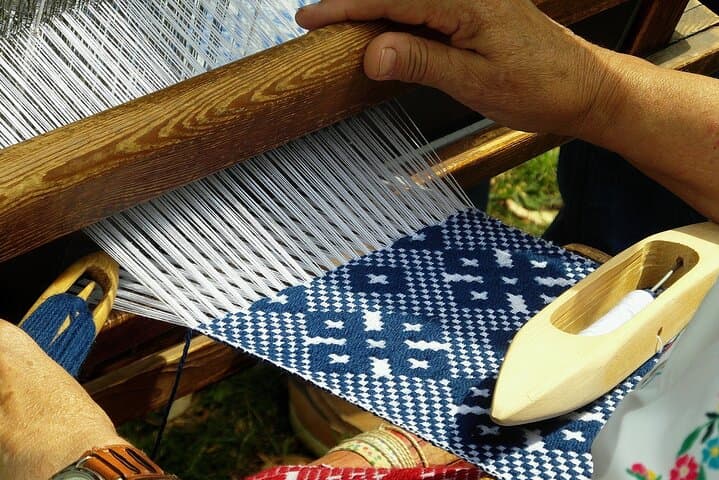
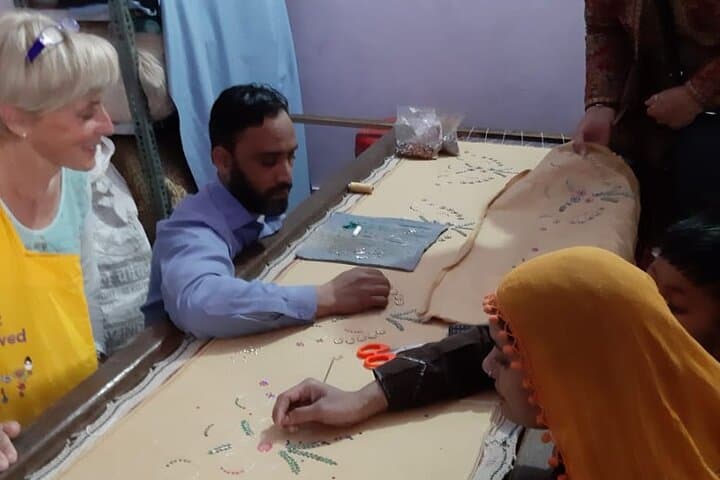
Morning light in Old Delhi slants across narrow lanes where fabric bolts stack like small fortresses and the scent of dyes rides the air. On the Indian Textile Tour you move through that motion: markets, private workshops, and hands-on needlework sessions that place centuries-old techniques in front of you.
Verified experiences and guided adventures in the surrounding area.
Operated by Seven Wonder Tours (Taj Day Tours) · New Delhi, Delhi
Morning light in Old Delhi slants across narrow lanes where fabric bolts stack like small fortresses and the scent of dyes rides the air. On the Indian Textile Tour you move through that motion: markets, private workshops, and hands-on needlework sessions that place centuries-old techniques in front of you.
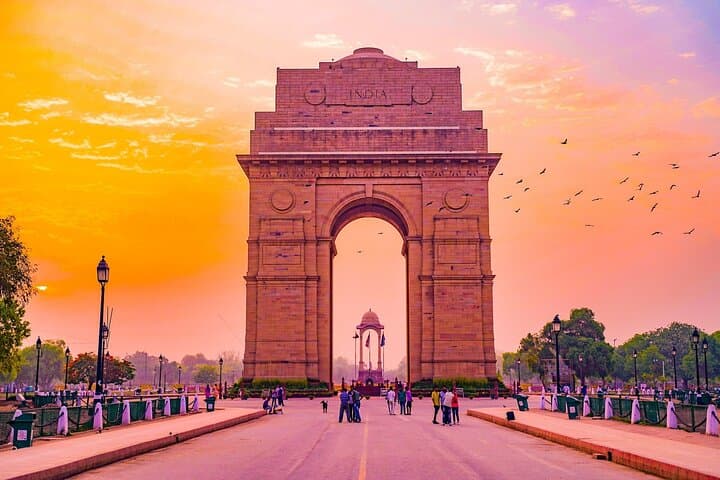
The route follows the Golden Triangle—New Delhi, Agra and Jaipur—traveling daily by air-conditioned car over highway stretches (Delhi–Agra ~245 km; Agra–Jaipur ~240 km; Jaipur–Delhi ~280 km). You’ll watch Zardozi masters stitch gold thread into silk in Agra, try Chikankari whitework in Jaipur, and see block printing and blue pottery in local workshops. These crafts reflect Mughal patronage, regional trade routes and a living guild system of families who pass techniques down through generations.
Expect city walking on uneven pavements, market bargaining, and concentrated workshop time—typical needlework sessions run 3–4 hours. Cultural context matters: many techniques originate from courtly and religious demands, and artisans often combine textile work with marble inlay or gem-setting traditions.
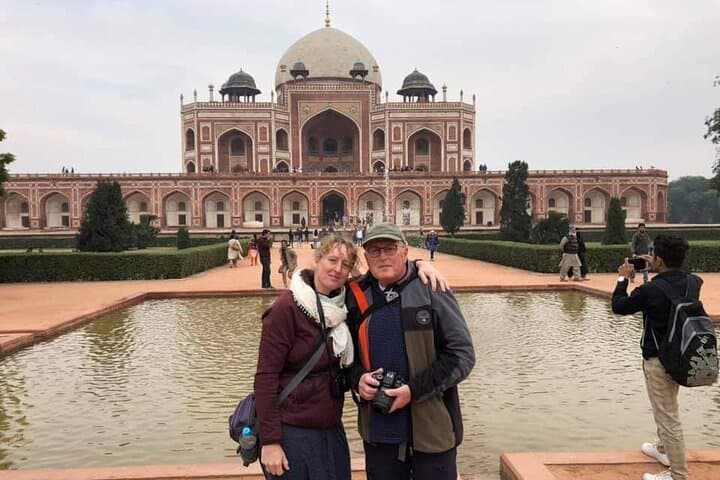
Practical guidance: bring comfortable shoes for market strolls, a small coin pouch for purchases, and a notebook to sketch or record techniques. Carry a refillable water bottle, photocopies of travel documents, and an adapter for charging cameras. Morning starts are common for sunrise Taj visits and cooler workshop hours; plan your energy accordingly. The tour is accessible and paced for a wide range of travelers, with private transfers and guided translation that ease navigation through busy urban sites.
easy.
10–11 days.
Suitable for most fitness levels; involves daily walking of 2–5 miles on city terrain and 3–4 hour seated workshop sessions
Yes; sessions are aimed at all skill levels and taught by local tutors who provide step-by-step instruction.
Each city includes scheduled market visits and blocks of free time—expect at least one afternoon or morning for independent shopping.
All-inclusive options cover accommodation (double occupancy), breakfast, selected meals, transfers and workshops as specified—confirm your package level when booking.
Many elements are listed as wheelchair accessible, but some markets and heritage sites have uneven surfaces—notify organizers of mobility needs in advance.
The tour traces textile traditions shaped by Mughal patronage, regional trade and artisan guilds that sustained skills like zardozi and chikankari for centuries.
Support ethical purchasing: buy directly from listed artisan groups when possible and avoid demonstrations that exploit animals; many workshops now practice safer, sustainable dyeing and material sourcing.
Seven Wonder Tours (Taj Day Tours) operates guided outdoor trips and adventures with an emphasis on safety, stewardship, and memorable experiences.
Morning light in Old Delhi slants across narrow lanes where fabric bolts stack like small fortresses and the scent of dyes rides the air. On the Indian Textile Tour you move through that motion: markets, private workshops, and hands-on needlework sessions that place centuries-old techniques in front of you.
Morning light in Old Delhi slants across narrow lanes where fabric bolts stack like small fortresses and the scent of dyes rides the air. On the Indian Textile Tour you move through that motion: markets, private workshops, and hands-on needlework sessions that place centuries-old techniques in front of you.
The route follows the Golden Triangle—New Delhi, Agra and Jaipur—traveling daily by air-conditioned car over highway stretches (Delhi–Agra ~245 km; Agra–Jaipur ~240 km; Jaipur–Delhi ~280 km). You’ll watch Zardozi masters stitch gold thread into silk in Agra, try Chikankari whitework in Jaipur, and see block printing and blue pottery in local workshops. These crafts reflect Mughal patronage, regional trade routes and a living guild system of families who pass techniques down through generations.
Expect city walking on uneven pavements, market bargaining, and concentrated workshop time—typical needlework sessions run 3–4 hours. Cultural context matters: many techniques originate from courtly and religious demands, and artisans often combine textile work with marble inlay or gem-setting traditions.
Practical guidance: bring comfortable shoes for market strolls, a small coin pouch for purchases, and a notebook to sketch or record techniques. Carry a refillable water bottle, photocopies of travel documents, and an adapter for charging cameras. Morning starts are common for sunrise Taj visits and cooler workshop hours; plan your energy accordingly. The tour is accessible and paced for a wide range of travelers, with private transfers and guided translation that ease navigation through busy urban sites.