THE ADVENTURE COLLECTIVE® · Independent discovery and booking for outdoor travel

Paddle the Indian River Lagoon from Cocoa Beach to meet dolphins, slow-moving manatees, and—seasonally—the ghostly glow of bioluminescence. This two-hour guided tour blends wildlife viewing with flatwater paddling for beginners and experienced paddlers alike.
Paddle the Indian River Lagoon from Cocoa Beach to meet dolphins, slow-moving manatees, and—seasonally—the ghostly glow of bioluminescence. This two-hour guided tour blends wildlife viewing with flatwater paddling for beginners and experienced paddlers alike.
You push off from a grassy launch field and the lagoon opens like a slow, breathing body: shallow flats rimmed by mangroves, channels that dare you to explore, and a flat horizon punctuated by dunes and the distant towers of Cape Canaveral.
Verified experiences and guided adventures in the surrounding area.
Operated by Brady-yaks Tours And Rentals · Cocoa Beach, Florida
You push off from a grassy launch field and the lagoon opens like a slow, breathing body: shallow flats rimmed by mangroves, channels that dare you to explore, and a flat horizon punctuated by dunes and the distant towers of Cape Canaveral.
The Indian River Lagoon is one of North America’s most biodiverse estuaries—an ancient waterway formed behind the barrier islands where salt and fresh water mingle. Indigenous Timucuan peoples once fished these shallows; later, settlers and the space industry shaped the shoreline. Geologically the lagoon is a shallow estuary and seagrass nursery, its bottom a patchwork of sand and eelgrass that supports fish, shorebirds, dolphins, and manatees.
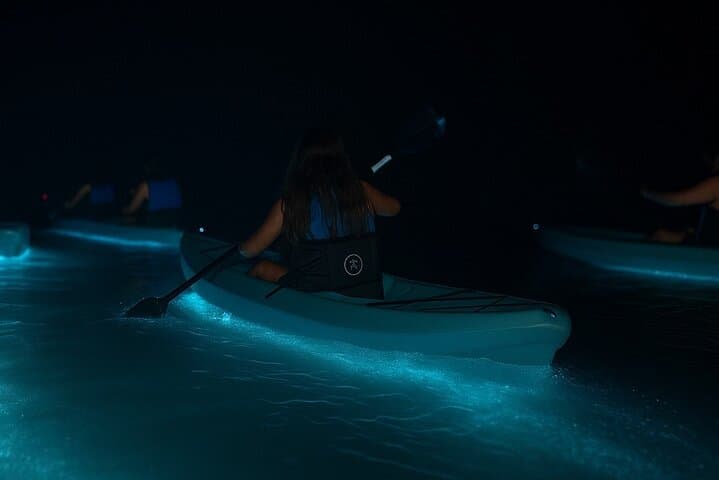
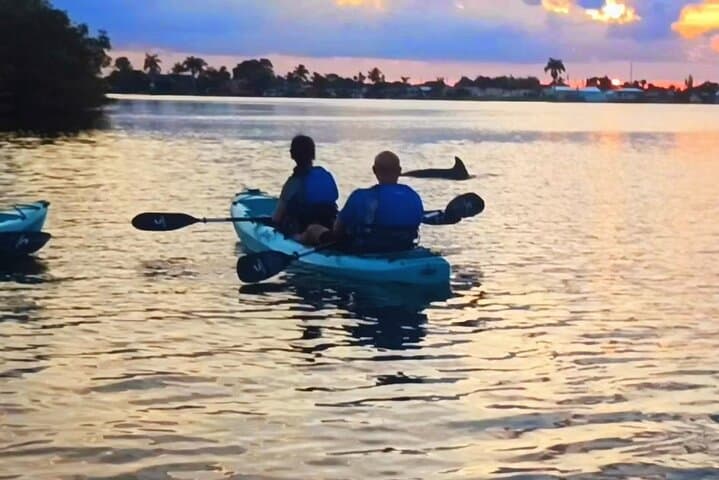
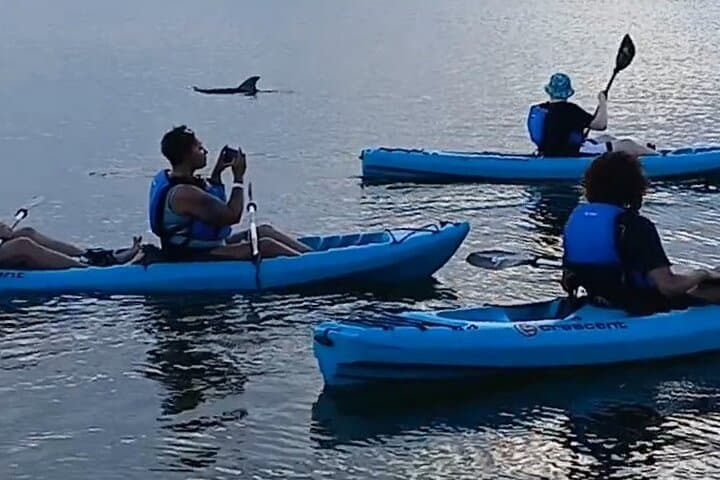
On a daytime eco tour expect steady flatwater paddling over 2–4 miles in approximately two hours, with guides pointing out dolphin pods, slow-moving West Indian manatees, and the thousands of wading birds that use the lagoon as a feeding ground. In summer months (May–Aug) select night trips reveal bioluminescent dinoflagellates and comb jellies—tiny organisms that make the water pulse with light when disturbed.
Practical notes: tours launch from a park field with basic parking and picnic areas; wear sturdy sandals or water shoes, bring reef-safe sunscreen and a filled water bottle, and be prepared for mosquitoes near mangroves. Respect wildlife: keep distance from manatees and avoid paddling through seagrass beds. For a comfortable visit pick calm winds and mid‑tide windows; guides adjust routes to sightings and conditions, making this a highly accessible way to experience Cocoa Beach’s wild waterways.
moderate.
2 hours.
Moderate fitness: able to paddle continuously for 30–60 minutes with short breaks, and to get in/out of a sit-on-top kayak from shallow water.
Yes; guides accommodate all skill levels and provide basic paddling instruction—children are typically welcome but check age requirements when booking.
Bioluminescence is seasonal and most reliable May–August on moonless nights with low wind; sightings can’t be guaranteed but guides pick optimal nights.
Common sightings include bottlenose dolphins, West Indian manatees, herons, ibis, and many estuarine fish; encounters vary by season and tide.
Full refunds are available if you cancel at least 24 hours before the tour; operators also cancel for bad weather and will reschedule when possible.
The Indian River Lagoon has been a productive estuary for millennia, supporting indigenous fishing cultures; the modern Space Coast development later reshaped shorelines and access.
Seagrass beds and manatees are vulnerable to boat strikes, pollution, and algal blooms—use reef-safe products, avoid seagrass, and follow guide instructions to minimize impact.
Brady-yaks Tours And Rentals operates guided outdoor trips and adventures with an emphasis on safety, stewardship, and memorable experiences.
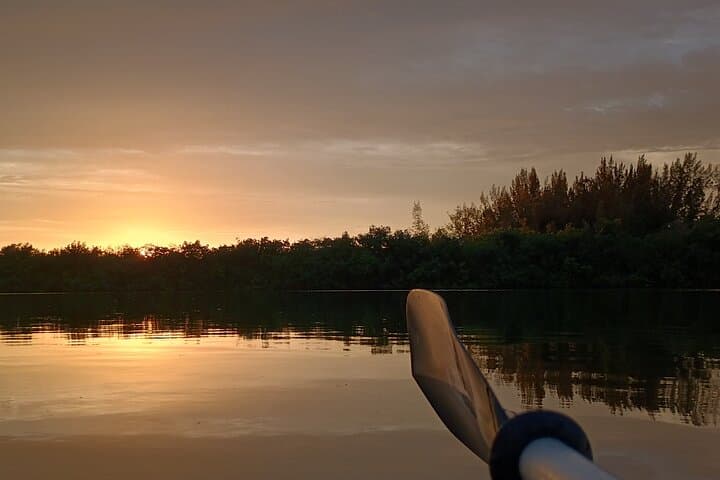
You push off from a grassy launch field and the lagoon opens like a slow, breathing body: shallow flats rimmed by mangroves, channels that dare you to explore, and a flat horizon punctuated by dunes and the distant towers of Cape Canaveral.
You push off from a grassy launch field and the lagoon opens like a slow, breathing body: shallow flats rimmed by mangroves, channels that dare you to explore, and a flat horizon punctuated by dunes and the distant towers of Cape Canaveral.
The Indian River Lagoon is one of North America’s most biodiverse estuaries—an ancient waterway formed behind the barrier islands where salt and fresh water mingle. Indigenous Timucuan peoples once fished these shallows; later, settlers and the space industry shaped the shoreline. Geologically the lagoon is a shallow estuary and seagrass nursery, its bottom a patchwork of sand and eelgrass that supports fish, shorebirds, dolphins, and manatees.
On a daytime eco tour expect steady flatwater paddling over 2–4 miles in approximately two hours, with guides pointing out dolphin pods, slow-moving West Indian manatees, and the thousands of wading birds that use the lagoon as a feeding ground. In summer months (May–Aug) select night trips reveal bioluminescent dinoflagellates and comb jellies—tiny organisms that make the water pulse with light when disturbed.
Practical notes: tours launch from a park field with basic parking and picnic areas; wear sturdy sandals or water shoes, bring reef-safe sunscreen and a filled water bottle, and be prepared for mosquitoes near mangroves. Respect wildlife: keep distance from manatees and avoid paddling through seagrass beds. For a comfortable visit pick calm winds and mid‑tide windows; guides adjust routes to sightings and conditions, making this a highly accessible way to experience Cocoa Beach’s wild waterways.